Himawari Uzumaki: Naruto’s Surprising Successor in the Next Anime Chapter
After years of anticipation, the world of Naruto prepares to spotlight a new hero. While many fans have speculated over who would one day inherit Naruto Uzumaki’s legacy, current manga arcs have confirmed a twist no one expected. The torch isn’t passing to Boruto, the runaway son, but to the youngest Uzumaki: Himawari.
The End of an Era, The Beginning of a Legend
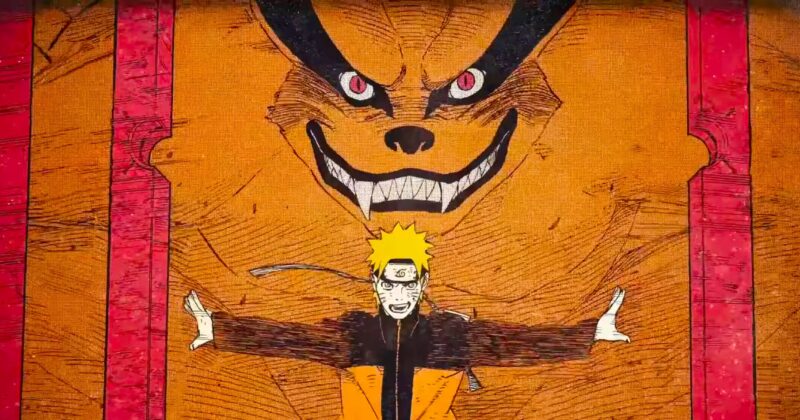
Naruto’s original series ran for hundreds of episodes, evolving from a tale about outcasts and ambition into a sprawling ninja epic. For veteran fans, few moments sting quite like the loss of Kurama, the Nine-Tails Fox, during the peak of Naruto’s Baryon Mode transformation. Kurama’s sacrifice, a pivotal event, was described by many as the franchise’s emotional apex. Yet fans didn’t suspect that Kurama could return—or that the next host would radically redefine what it means to be a Jinchuriki.
Kurama’s Reincarnation: How Himawari Claimed the Fox Spirit
In recent manga chapters of Boruto: Two Blue Vortex, Himawari’s encounter with a puppy-like Kurama took fans by complete surprise. Instead of a painful or violent ritual, Kurama is resurrected through Himawari’s own subconscious. The approach subverts the Naruto tradition: instead of an antagonistic relationship between host and Beast, Himawari instantly forms a powerful bond, sidestepping decades of internal struggle that defined her father.
Technically, this development shakes up the status quo. Himawari, barely a pre-teen, demonstrated immediate control over Kurama’s chakra, performing advanced techniques such as the devastating Tailed Beast Ball—a feat even seasoned Jinchuriki struggled with. Facing the monstrous Human Divine Trees, Himawari entered hand-to-hand combat with Jura, now considered one of the most fearsome threats in the Naruto universe.
What Makes Himawari a Superior Jinchuriki?
For those familiar with Naruto’s fraught journey, his relationship with Kurama was a prolonged battle for mutual respect and trust. Naruto only achieved symbiosis toward the series’ conclusion, after years of hardship. In contrast, Himawari’s ascension pivots on understanding and innate compatibility. Kurama, revived in a less vengeful, more playful form, instantly syncs with Himawari’s determined, compassionate personality.
This dynamic not only serves the plot with new energy but better mirrors the evolution of generational trauma—a narrative arc deeply embedded in Naruto lore. Himawari’s near-instant mastery hints at both pure potential and a signpost for future storytelling across the franchise. It also highlights a growing trend in anime: younger characters rising quickly, refusing to retread the same emotional territory as their predecessors, and instead forging new, emotionally resonant paths.
A Turning Point for the Franchise
With the anime set to return and adapt these pivotal manga moments, anticipation is at a fever pitch. Longtime Naruto fans are investing in the question: what kind of Hokage—or something even greater—will Himawari become? Her journey as Kurama’s host not only redefines her character but flips the series’ original premise, suggesting that true strength lies in cooperation and inherited wisdom rather than overcoming bitterness and exile.
Himawari’s future, bolstered by Kurama’s rebirth, is now the center of attention for the Naruto community. Her exceptional growth and new abilities promise to inject the franchise with much-needed evolution, ensuring the legacy thrives with fresh challenges and new emotional heights—to the delight of both new audiences and old-school fans.