The Art of Parody: Mastering Fear Through Laughter
Horror and comedy might seem like strange bedfellows, but over decades, directors have fused terror with laughter to dissect—and sometimes elevate—the very rules they parody. The finest horror spoofs don’t just poke fun at genre clichés; they understand them on a visceral level, delivering a unique blend of meta-commentary and genuine affection for the subject matter. This blend is where the best horror spoofs truly shine, using satire to reinvent what scares—and entertains—us.
Scary Movie
Scary Movie stands as a hilarious, in-your-face deconstruction of late-’90s horror blockbusters. Directed by the Wayans brothers, every crude joke and exaggerated gag is rooted in a remarkably astute awareness of films like Scream and I Know What You Did Last Summer. The moment-to-moment spoofing only lands because viewers recognize the source, transforming familiarity with genre tropes into the ultimate punchline. This unapologetic commitment to parody set a new standard for genre satire, proving that horror can thrive—even improve—when mocked without restraint.
Behind The Mask: The Rise Of Leslie Vernon
Moving into more cerebral territory, Behind the Mask: The Rise of Leslie Vernon cleverly disguises a razor-sharp film thesis as a mockumentary. Following an aspiring slasher villain, the film surgically dissects slasher logics, like the infamous ‘slasher teleport’ and the codified role of the ‘final girl’. Its self-awareness is less about outright jokes and more about exposing the illogical backbone of horror legends. The loving analysis rewards dedicated genre fans with inventive plot twists and illuminating meta-commentary.
The Final Girls
The Final Girls elevates the genre spoof by injecting genuine emotion and depth. When a group of present-day teens is pulled into an ’80s slasher film, the movie skewers old-school horror archetypes—the jock, the promiscuous camper, the terminally shy survivor. But instead of only lampooning, it explores the lasting emotional impact of these roles, digging into themes of loss and nostalgia. The result: a thoughtful, heartfelt tribute that never loses sight of character even while metacommentary runs rampant.
Killer Klowns from Outer Space
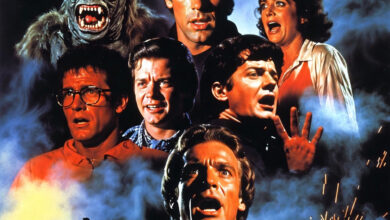
Some horror spoofs embrace their madness, and Killer Klowns from Outer Space does so with gusto. This extraterrestrial circus invasion leans hard into absurdity—grotesque aliens trap victims in cotton-candy cocoons—but it maintains an eerie tension with elaborate practical effects reminiscent of ’50s B-movie classics. The film’s vibrant visuals and commitment to spectacle allow it to walk the line between parody and genuine cult horror, cementing its place as a visual and comedic icon of the genre.
Tucker & Dale vs. Evil
Twisting classic slasher structure, Tucker & Dale vs. Evil transforms the ‘backwoods nightmare’ scenario by making two misunderstood hillbillies the sympathetic leads. A group of paranoid college students, convinced they’re in a horror movie, orchestrate their own demise through mounting hysteria and absurd misunderstandings. The genius lies in the total reversal of genre logic, turning stereotypes on their head and grounding chaos with unforgettable performances and sharp social commentary on class in horror.
Dracula: Dead and Loving It
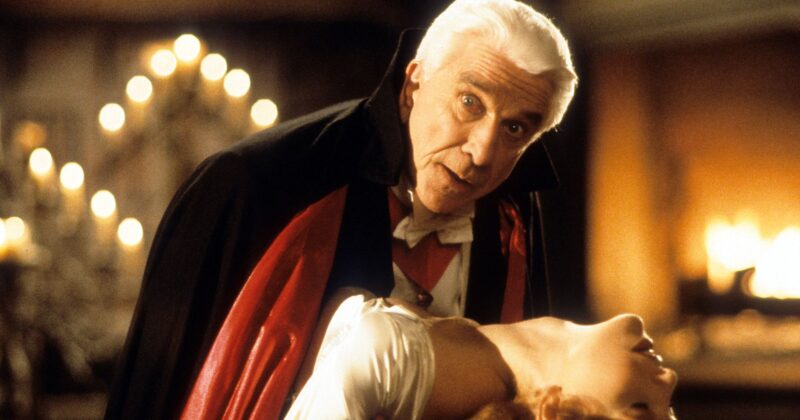
Dracula: Dead and Loving It, from Mel Brooks, is a loving send-up of gothic vampire cinema. What distinguishes it is an almost reverent recreation of classic Dracula scenes—only to then thoroughly deflate their gravitas with sight gags and linguistic farce. Leslie Nielsen’s deadpan portrayal of the infamous count sits at the core of the humor, blending classic horror theatrics with relentless wit. Brooks’ approach proves that close technical homage is fertile ground for truly organic comedic moments.
What We Do in the Shadows
Taika Waititi’s What We Do in the Shadows revolutionizes the horror parody for the modern era. Presented as a mockumentary, it flips age-old vampire lore by portraying immortals as awkward roommates struggling with everyday nuisances. The film masterfully juggles respect for centuries of legend with inventive, contemporary humor—never letting satire diminish the underlying power and mystique of its supernatural subjects.
Bride of Frankenstein
Though often overlooked as a spoof, Bride of Frankenstein stands out for its tongue-in-cheek take on its predecessor’s melodrama. James Whale exaggerates everything—from operatic emotion to soaring gothic visuals—pushing the original’s elements to an almost self-aware extreme. This exaggerated style demonstrates early awareness that horror can be both majestic and parody fodder, setting the stage for smarter, more playful versions to follow in later decades.
The Elasticity of Horror Satire
What ties these films together is not just their humor but their technical skill in dissecting and rebuilding the horror genre. Each one—whether through slapstick, mockumentary, or meta-commentary—adores the source enough to know exactly where to push the knife in, all while making us laugh at what, just moments before, might have made us scream. In today’s blend of horror and comedy, these movies remain essential touchstones for anyone who loves their scares with a side of satire.