House Targaryen: Power, Madness, and the True Legacy Revealed in ‘A Knight of the Seven Kingdoms’

The Targaryen Mythos: Unraveling Blood, Power, and Madness
In the ever-expanding universe of Westeros, ‘A Knight of the Seven Kingdoms’ shines a fresh light on the House Targaryen legacy—a legacy marred by both awe-inspiring power and notorious instability. Fans have long believed that the Targaryens are a family set apart, defined by dragon blood and the infamous coin-flip of sanity versus madness. But the new HBO series refuses to take this myth at face value.
The House of the Dragon Myth: Gods or Men?
For centuries, the Targaryens have been the axis around which the history of Westeros spins. Their domination wasn’t just militaristic: it was almost mystical, with their unique connection to dragons and an intoxicating aura of destiny. But just as potent is the shadow of madness that trails them—etched in legend by the oft-repeated axiom that each Targaryen birth is a gamble between greatness and ruin. Is this legacy truly written in their blood, or is it born of the world they inherit?
The Many Faces of Targaryens: Beyond the Coin Flip
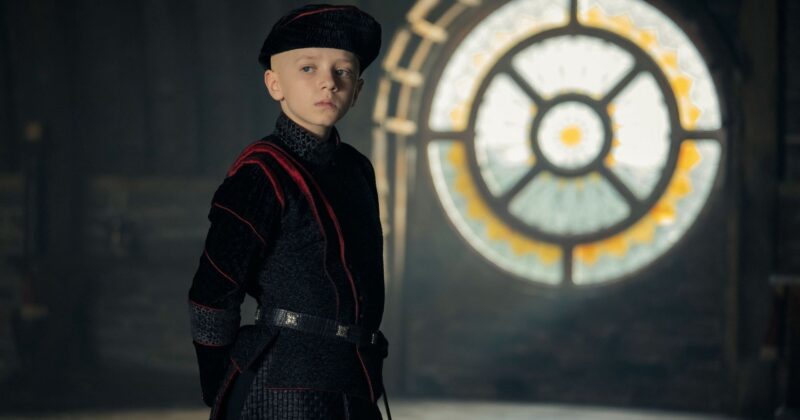
Delving into the new characters introduced in ‘A Knight of the Seven Kingdoms’, we meet a spectrum of Targaryens that adds new depth to this ancient family. Prince Baelor embodies grace and nobility, while Prince Maekar emerges as fair, if somewhat harsh. Egg (Prince Aegon), with his candid wit and softness, stands as a testament to the potential for kindness in even the most storied lineages. Yet it is Prince Aerion who sears the more familiar mark of Targaryen madness onto the saga: cruel, vindictive, intoxicated by his own perceived divinity and entitlement.
Aerion’s acts of cruelty aren’t mere echoes of past infamous Targaryens—they’re a stark warning of what happens when power grows unchecked.
Nurture Over Nature: The Series Breaks the Cycle
What makes the latest chapter stand apart is its pointed argument on nature versus nurture. Through Prince Daeron’s candid admissions, viewers learn Aerion was not «born a monster.» Instead, his transformation is linked to the toxic environment enveloping Targaryen heirs. It’s a direct challenge to the notion of inescapable hereditary doom. Daeron’s heartfelt plea to Ser Duncan (‘Dunk’) to become Egg’s mentor is more than familial concern—it’s a thesis on the corruptive force of privilege and isolation.
Corruption Across Thrones: The Bigger Picture
The Targaryen penchant for madness isn’t unique. Throughout Westeros, whether Baratheon or Lannister, rulers shaped by unchecked power and unchallenged authority are at constant risk of descending into tyranny. The tragedy of Daenerys in ‘Game of Thrones’ epitomizes this: once hailed as a liberator, she ultimately succumbs to the psychological grip of her mythic birthright and absolute power, illustrating the franchise’s core theme: power corrupts, especially those convinced of their own exceptionalism.
Egg, the Smallfolk King: Experiment in Humanity
Ser Duncan’s decision to raise Egg among the smallfolk takes on profound narrative weight. Egg, later King Aegon, forges empathy and perspective foreign to most Targaryen princes. Rather than becoming another mad ruler, his reign is remembered for accessibility and kindness—adored by the people, even if not by the lords. This lived experience outside the gilded cages of royal expectation demonstrates that environment and upbringing can break cycles previously thought immutable.
New Narratives for a Legendary House
‘A Knight of the Seven Kingdoms’ delivers more than a story of adventure—it encourages reflection on who the Targaryens are because of Westeros, not just in spite of it. The series proposes that madness is a byproduct of the very system that built dragons and thrones. With compelling characters and sharp thematic focus, this new chapter reshapes one of fantasy’s most legendary families for a new era of storytelling.