How ‘A Knight of the Seven Kingdoms’ Redefines Fantasy TV for a New Generation

‘A Knight of the Seven Kingdoms’: HBO’s Game of Thrones Prequel That Changes the Game
The world of fantasy television is experiencing a fresh renaissance, and nowhere is this more apparent than in HBO’s bold new offering, A Knight of the Seven Kingdoms. Rather than taking the well-worn road of epic battles and shadow-laden intrigue, this six-part medieval adventure draws viewers into a tale where warmth, wit, and the quieter moments of wonder take center stage.
The Rise of Cozy Fantasy on Screen
For years, fantasy fans have associated medieval sagas with grand wars, legendary creatures, and kingdoms embroiled in relentless power struggles. Yet, the tide of the genre has begun to turn—recent literary hits like Howl’s Moving Castle, Legends and Lattes, or The House in the Cerulean Sea have shown just how compelling and comforting so-called «cozy fantasy» tales can be. Animated shows such as Hilda or Gravity Falls extend this trend to younger and broader audiences, but unlike animation, live-action adaptations have rarely managed to evoke this inviting atmosphere.
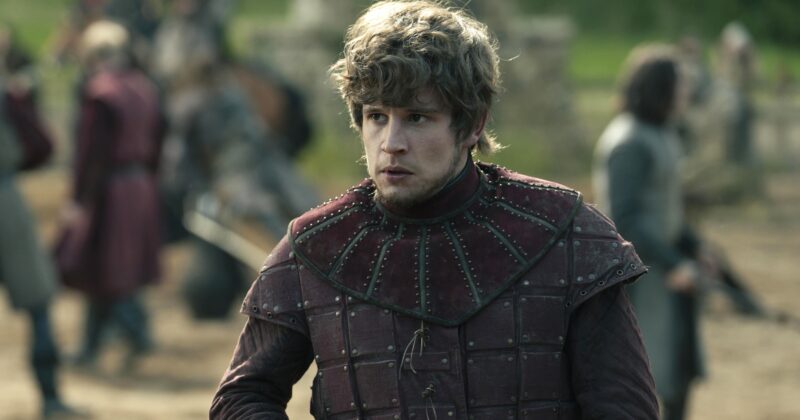
A Knight of the Seven Kingdoms is the rare exception. Set in the familiar realm of Westeros, the show takes a strikingly different approach. The focus is not on power-hungry monarchs, but rather Ser Duncan the Tall—known as Dunk—a humble hedge knight, and his curious and quick-witted squire, Egg. This unlikely duo journeys through the Seven Kingdoms, encountering everyday people, simple joys, and occasional absurdity. The folksy soundtrack emphasizes a tone more in line with fairytale wanderings than dynastic bloodshed.
Breaking Away from Game of Thrones Expectations
In many franchises, spin-offs stick closely to the formula that brought success—matching tone, scope, and stakes, as seen with Hercules and Xena, or The Vampire Diaries and The Originals. Historically, when a series radically shifts its mood or focus yet shares a universe, audiences can react harshly. Game of Thrones itself built its empire on high-stakes drama, shocking brutality, and tangled webs of ambition—coziness was never on the menu.
Yet, this prequel stands as a quiet rebellion. The series doesn’t shy away from mature content, but presents it with a lighter, even mischievous spirit. Dunk and Egg’s relationship is full of genuine affection and humor, a departure from the often-toxic partnerships in previous entries. The storytelling unfolds at a gentle, almost meditative pace—ideal for both binge-watching and casual viewing without the fear of losing track of convoluted plots.
The Impact of a Softer Fantasy
A Knight of the Seven Kingdoms doesn’t just subvert its own franchise’s traditions—it invites a wider audience back into fantasy television. For viewers who felt alienated by the relentless darkness of Game of Thrones or House of the Dragon, this series provides a welcome escape. Without gratuitous violence or endless royal scheming, the focus returns to human moments: shared laughter, small adventures, and overcoming mundane challenges. The show understands the simple pleasure of following a hero whose greatest battles might be moral rather than martial.
There’s a real intimacy to the storytelling. By keeping stakes personal rather than apocalyptic, the series succeeds in making each victory feel earned and every setback relatable. The result is a binge-worthy but not exhausting experience, designed for both new fans and returning veterans burned out by Westeros’s heavier fare.
Cast, Creators, and the World-Building Behind the Magic
Showrunner Ira Parker headlines the creative team, partnering with none other than George R. R. Martin himself. Direction by Owen Harris ensures that each episode feels cohesive while allowing the quieter moments to shine. The main cast, with Peter Claffey as Ser Duncan and Dexter Sol Ansell as Egg, bring surprising warmth and depth to their roles, setting a new standard for character-driven fantasy TV.
This approach, both technically polished and emotionally intelligent, feels perfectly timed for a genre ready to evolve. While dragons and politics defined a previous era, now it’s friendship, wit, and the occasional small-town tourney that capture our hearts. For those who never imagined returning to Westeros, A Knight of the Seven Kingdoms makes it a journey worth repeating—proving that sometimes, the bravest stories are the ones that let us breathe.