The Unlikely Birth of a Cinematic Icon
In the world of modern science fiction, massive budgets and groundbreaking effects have become the industry standard. Yet, the journey of one franchise began in the most unassuming way: with a modest $6.4 million indie film and a director whose only other big screen credit had ended in disaster. That film, The Terminator, and visionary filmmaker James Cameron, redefined what was possible in genre filmmaking, paving the road for one of the most enduring and influential sci-fi sagas of all time.
Revolutionizing Sci-Fi on a Limited Budget
Science fiction traditionally demands vast resources—futuristic sets, eye-popping effects, and high concept ideas need deep pockets. Classics like Star Wars, The Matrix, and 2001: A Space Odyssey were all made with major studio backing. Indie sci-fi, often constrained by its means, rarely punches through the cultural consciousness. Yet occasionally, an auteur’s creativity and determination break those supposed limits. The Terminator belongs proudly in that category.
Where other filmmakers might have seen obstacles, Cameron saw opportunities for storytelling invention. Instead of building post-apocalyptic worlds from scratch, he created a narrative device: time travel. By sending the killer cyborg and the human soldier back to the then-contemporary world, the film smartly minimized expensive effects and elaborate sets without sacrificing narrative scale. The splash of PTSD flashbacks teased a larger future war without emptying the production coffers, blending gritty present-day realism with glimpses of high-concept dystopia.
A Fever Dream, a Storyline, and the Rise of Legends
According to film lore, James Cameron’s inspiration for The Terminator sprang from a fevered nightmare: a chrome skeleton clawing its way out from flames. This singular image evolved into an entire world—one where sentient A.I. reigns and humanity’s fate hinges on the life of an unsuspecting woman, Sarah Connor, and the time traveler sent to protect her. This theme, both intimate and cosmic, allowed Cameron to ground his sci-fi premise in relatable fear and hope, delivering broad-appeal storytelling on a constrained budget.
The structure proved especially clever in introducing Sarah Connor. Her journey from everywoman to action icon let audiences learn alongside her, providing organic context and exposition. Cameron’s ingenuity ensured that even without blockbuster resources, The Terminator maintained the pulse and ambition of much costlier productions.
Small Scale, Big Impact – The Power of Relentless Pacing
What The Terminator may lack in visual spectacle compared to its sequels, it makes up for with raw, white-knuckle tension. The first film is lean, almost claustrophobic—relentless in its pacing and deeply suspenseful. From the moment the T-800 begins his hunt, the film becomes an unyielding chase, expertly blending practical stunts, practical effects, and innovative film techniques.
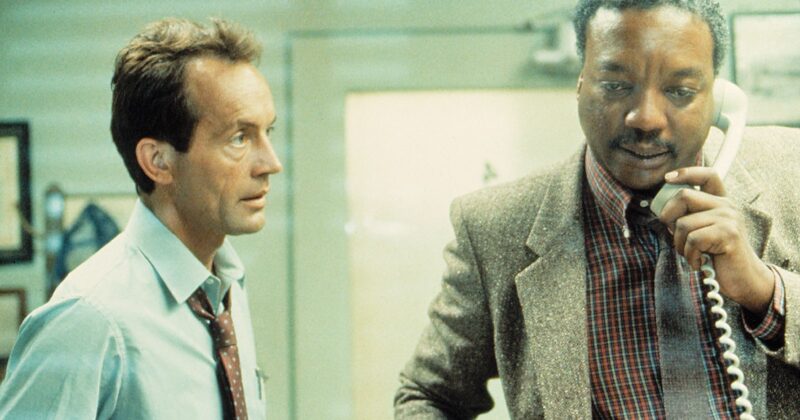
The action scenes, while not as explosively grand as those in later entries like Terminator 2 or Terminator: Dark Fate, are driven by a gritty, tactile realism. Arnold Schwarzenegger’s T-800, with his infamous ‘I’ll be back,’ proceeds to dismantle a police station in one of cinema’s most chilling rampages—a set piece as impactful in its day as any modern CGI spectacle.
The Slasher Blueprint with a Sci-Fi Twist
Underneath the sci-fi premise, the first Terminator movie follows the skeleton of a classic slasher. In this grim chase, the T-800 methodically works his way through the Sarah Connors of Los Angeles, echoing the relentless advances of Michael Myers or Jason Voorhees. Cameron’s innovation was to cloak this familiar horror formula in the skin of science fiction, turning existential dread about AI and the future into something immediate and visceral.
The film’s script hinted at the anxieties underlying the era’s technological boom, cleverly framing its rampaging cyborg as both a product and a warning of unchecked artificial intelligence. With each Sarah Connor targeted, and each close-call escape, the story ratcheted up tension—creating an experience that is both cautionary tale and exhilarating thriller.
An Enduring Legacy—and A Future Unwritten
As the franchise grew, so did its ambitions and budgets. Terminator 2 rewrote the rulebook on visual effects, AI dystopias, and action set-pieces, while later sequels experimented with varied successes. Yet, the pure terror and exhilarating momentum of the original remain unparalleled, often cited as the moment where indie filmmaking met blockbuster vision on equal terms.
There are ongoing rumors and hints about new entries in the saga, with James Cameron’s involvement keeping fans hopeful despite his commitments to other cinematic universes. Whether the future holds another revolution for this franchise or not, the fact remains: The Terminator proved that vision and ingenuity can outstrip budgetary constraints, forever altering the tech and sci-fi landscape.