How ‘American Graffiti’ Gave George Lucas His Hollywood Superpower
Before the galaxy far, far away even had a name, George Lucas was just another ambitious filmmaker trying to leave his mark on Hollywood. Few realize that his legendary status wasn’t launched with a lightsaber, but with the roar of classic V8 engines and jukebox hits spinning at Mel’s Drive-In. Lucas’s ‘American Graffiti’ didn’t just make audiences nostalgic for sock hops and summer nights—it reset the rules of what a hit comedy could be.
Creating the Blueprint for the Hangout Movie
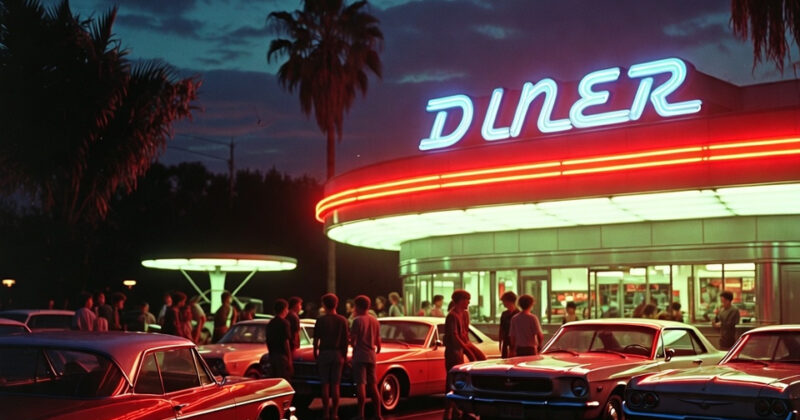
‘American Graffiti’ is an atmospheric time capsule, inviting viewers to cruise along with a group of teenagers on their final night before adulthood changes everything. There’s no intergalactic conflict or grand villainy here. Instead, there’s the thrill of late-night drag races, neon-lit diners, and that particular blend of hope and melancholy that tinges the last taste of summer freedom.
Rather than focusing on plot-driven spectacles, Lucas crafted a film that celebrated moments over milestones. Through this approach, he pioneered what is now called the hangout movie—films where the vibe, chemistry, and nostalgia between characters become the story. That DNA runs through later classics like Richard Linklater’s Dazed and Confused, Quentin Tarantino’s Once Upon a Time in Hollywood, and Paul Thomas Anderson’s Licorice Pizza. Each of these films walks the trail blazed by ‘American Graffiti’, embracing character and setting as stars in their own right.
The Surprise Success That Changed the Industry
Produced on a shoestring budget, ‘American Graffiti’ was an unexpected box office giant—turning limited resources into an explosive return, which modern industry analysts would categorize as nothing short of miraculous. Its massive commercial triumph didn’t just pad Lucas’s résumé; it kicked open Hollywood’s most closely guarded doors. He suddenly had the creative currency to pursue ideas that defied existing formulas, including the experimental, effects-driven space adventure that would become Star Wars.
Lucas’s confidence in nostalgia-fueled storytelling and innovative filmmaking signaled to studios that audiences hungered for authentic, relatable experiences just as much as they did for spectacle. The film’s visual palette—gleaming cars, saturated neon, and iconic American diners under the twilight—became a shorthand for Americana onscreen, imitated and celebrated by generations of directors since.
Where American Graffiti Lives On
‘American Graffiti’ isn’t just a period piece; it’s a cultural touchstone that echoes through film and television to this day. The film’s legacy can be traced in everything from music-driven coming-of-age dramas to the stylistic flourishes seen in modern streaming hits. For cinephiles looking to see where George Lucas’s universe truly began, revisiting ‘American Graffiti’ offers not just insights into his evolution, but also a masterclass in atmosphere and ensemble storytelling—with rebels, but no need for a rebellion.