The Scene That Redefined Horror TV
When American Horror Story debuted, it instantly set itself apart from conventional horror series thanks to its unfiltered mix of supernatural terror and raw psychological drama. Yet, it’s in the season titled Murder House where the show delivered a twist so bold that it shattered expectations within the horror landscape.
The Defining Twist: Violet’s Shocking Fate
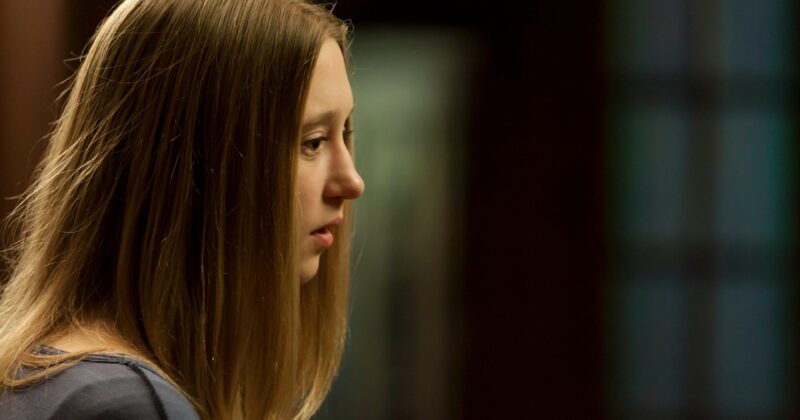
At its core, Murder House follows the Harmon family’s descent into the darkness of a haunted Los Angeles mansion. Early episodes lull viewers into thinking they understand the spectrum of ghostly threats. But everything changes with the wild turn that Violet, the disaffected teenage daughter played by Taissa Farmiga, discovers her own fate.
Borrowing narrative DNA from classics like Ambrose Bierce’s ‘An Occurrence at Owl Creek Bridge’ and amplified by the pop-culture weight of The Sixth Sense, Murder House dared to reveal that Violet had died offscreen several episodes earlier. What makes this storytelling gambit so daring isn’t just that audiences have seen ‘they were dead all along’ twists before—it’s that by 2026, the trope had been thoroughly worn out in countless films and streaming titles.
The Secret to Its Lasting Impact
So, how did American Horror Story make this trope feel electrifying again? The answer lies in the show’s meticulous narrative misdirection. While Tate (Evan Peters) and Violet’s tragic romance keeps viewers emotionally invested, subtle clues hide in plain sight—Violet never leaves the house after a failed suicide attempt in episode six. The revelation snaps everything into focus, retroactively charging every preceding scene with new meaning.
Long-term fans recognize this episode as the series’ high-water mark, a twist even later standout seasons like Coven or the chaos-fueled Asylum struggled to match. What elevates the reveal isn’t just its shock value, but the storytelling sophistication: Tate and Violet are finally together forever, only for Violet to make the heartbreaking choice to banish him after learning the truth.
Why Horror Hasn’t Been the Same Since
American Horror Story’s willingness to break an unspoken genre rule—never let the audience feel misled for too long—opened the doors for riskier plots in genre television. Writers and showrunners took notes; after this, the use of meta-twists and unreliable narration surged in prestige horror and thriller TV, influencing everything from Stranger Things to streaming originals and anthologies across the digital landscape.
Today, American Horror Story remains a benchmark for narrative risk-taking, proving that even the most overused horror tropes can be reborn with the right blend of subversive storytelling and sharp character focus.