The Bold Gamble That Could Have Changed Lost Forever
From the moment viewers found themselves stranded alongside the survivors of Oceanic Flight 815, Lost set a new bar for television premieres. Its pilot became legendary, not just for its cinematic execution and gripping action, but for creating an immediate and intense connection between the audience and its characters. Yet, behind the scenes, a bold production choice nearly altered this legacy beyond recognition.
The Michael Keaton What-If: Jack’s Near-Death Debut
Early versions of the pilot cast Michael Keaton as Jack Shephard, setting up a jaw-dropping twist: Jack was meant to die in the very first episode. Imagine the impact: viewers introduced to a charismatic, leading presence—only to have him taken away minutes before the credits rolled. Show creator J.J. Abrams found the narrative risk alluring, as did Keaton, captivated by the idea of a headlining TV role with no long-term commitment.
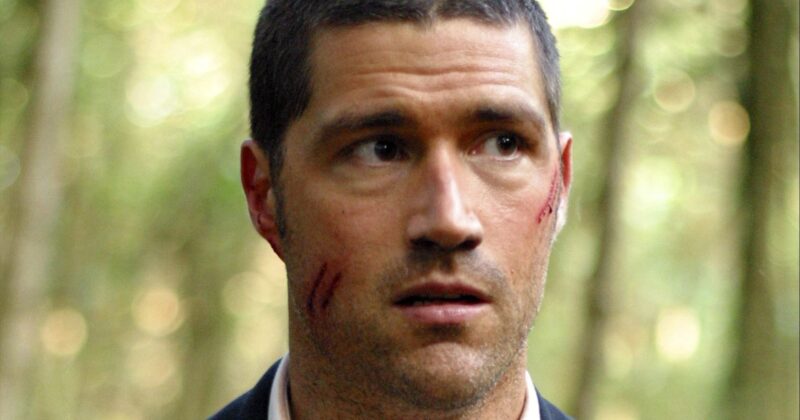
However, this gambit was ultimately set aside. The concern was clear: while shocking, killing the perceived main character could shatter the audience’s trust in the story’s direction. Instead, the role went to Matthew Fox, resulting in a series anchored by a relatable everyman who could embody the viewers’ shock and confusion as the mysteries of the island unfolded.
Why Jack’s Survival Was the Smarter Choice
Television, particularly serialized mystery, thrives on the audience’s investment in both people and plot. Jack became not just a protagonist but a prism for the show’s expanding metaphysics and interpersonal drama. Had he died in episode one, the series might have instantly garnered buzz—but at the potential expense of narrative sustainability. Instead, Lost built its suspense with layers of character development, setting the stage for complexities and heartbreak that would define appointment television for years to come.
The Domino Effect: Character Continuity and Viewer Investment
Killing a main character off in the pilot isn’t unheard of, but it often signals a different kind of show—a short anthology or a purposely subversive miniseries. Lost, envisioned as a long journey, needed the sense of stability and ongoing discovery Jack provided. This choice allowed viewers to slowly unspool the series’ mythos, giving the ensemble cast (including memorable turns from Evangeline Lilly as Kate and Jorge Garcia as Hurley) plenty of space to shine.
How Lost’s Opening Set the Stage for Modern TV
The show’s pilot is frequently cited among the greatest in TV history, sitting alongside landmark premieres like The Sopranos or Breaking Bad. Its influence on later mystery-box and high-concept dramas can’t be overstated, paving the way for series such as Severance and Yellowjackets to take narrative risks of their own. Notably, the choice to subvert expectations with earned twists—and not early gimmicks—became a lesson for an entire generation of showrunners.
Behind the Curtain: The Team That Brought Lost to Life
Led by Damon Lindelof and Carlton Cuse, and directed by a rotating group of acclaimed talents including J.J. Abrams and Jack Bender, Lost assembled one of the most ambitious productions in network history. The writers’ deft balancing of supernatural intrigue, intricate relationships, and survival drama transformed what could have been a simple castaway story into a cultural touchstone.
While Michael Keaton’s alternate path as Jack Shephard will forever be a fascinating footnote, the legacy belongs to the Lost that was: a series that trusted its audience to hold on for the ride, starting with a pilot that almost took one risk too many—and instead found storytelling perfection.