Bridgerton: Turning Period Romance on Its Head
When most viewers think of historical romance, they imagine carefully preserved etiquette, accurate costumes, and stories dominated by the power struggles of privileged white aristocrats. Bridgerton takes those expectations and flips them, creating a rich tapestry where visual flamboyance, social fantasy, and inclusivity redefine what we expect from both the historical and romance genres.
A Visual Leap Beyond History
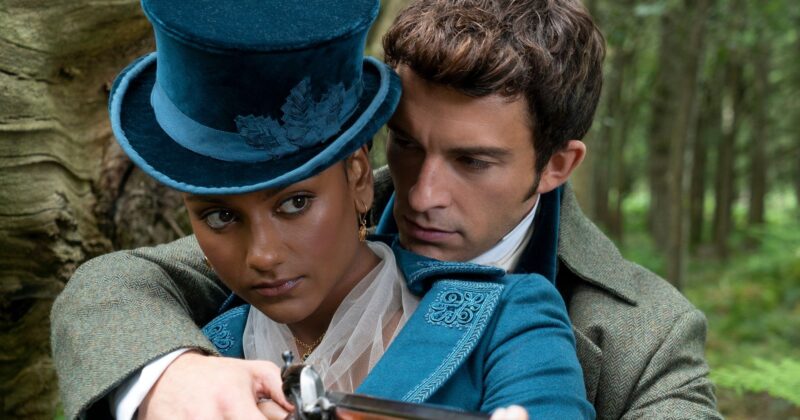
While series like Downton Abbey and Call The Midwife strive for historical precision, Bridgerton intentionally embraces creative liberty. The show’s costume design is emblematic—outfits channel traditional Regency style but with bursts of neon, lavish embroidery, and fabrics rarely seen in period pieces. This approach, earning it multiple Emmy Awards for costume design, blurs the lines between history and fantasy, giving the series a unique identity that visually sets it apart from traditional dramas.
The focus isn’t just skin-deep. Every set piece, from ballrooms echoing with reimagined string covers of pop hits to vividly colored drawing rooms, cultivates an atmosphere that’s almost otherworldly. Bridgerton eschews historical rigidity in favor of a fantasy lens, inviting audiences of all backgrounds to dive into its lavish world.
Radical Inclusivity in Casting and Storytelling
One of the most heralded decisions in Bridgerton is its portrayal of an alternate history where racial prejudice is absent. Characters from diverse backgrounds assume roles as queens, dukes, and leading romantic figures—something still rare in high-profile period pieces. Where most historical dramas perpetuate the exclusion of people of color or restrict them to lesser roles, here viewers are empowered to see themselves as heroes, royalty, or agents of change.
While the social dramas and rules of The Ton are true to the Regency era, the show’s inclusive casting is a bold, necessary statement in an industry often criticized for homogeneous storytelling. The world of Bridgerton is not a utopia; it’s a purposeful reimagining that prioritizes representation and audience engagement over strict fidelity to flawed historical realities.
Re-centering Romance on Female Agency and Desire
The romance genre, especially in television, has long grappled with issues of agency for female characters. Bridgerton subverts the common trope where women are seemingly empowered, only to end up as damsels needing rescue. Here, romantic storylines center female pleasure and desire, foregrounding conversations around consent and intimacy—even if the show occasionally bumbles through moments of awkward sex education.
Notably, characters such as Lady Violet Bridgerton play crucial, narrative-driving roles that upend expected gender dynamics. The series continually rewrites Cinderella archetypes: even when a female lead like Sophie faces diminished agency, she’s ultimately uplifted by complex women in her orbit rather than sidelined or victimized.
Not Every Show Needs to Be Bridgerton
As liberating as Bridgerton’s reinvention is, this approach isn’t intended to erase traditional historical storytelling. There’s still immense value in series that bravely explore the harsh realities of their era—think of the social commentaries woven through shows like Call The Midwife or exhaustively researched biopics such as John Adams. These stories keep viewers connected to history’s darker lessons, highlighting the importance of remembering and reflecting on the past.
Yet, where many historical dramas gloss over or sanitize persistent social issues, shows like Bridgerton demonstrate the vital need for alternative perspectives. The coexistence of rigorous representation of history with creative, inclusive reinterpretations enriches TV’s narrative ecosystem.
What Fantasy and Genre TV Can Learn
Bridgerton’s influence is already rippling beyond romance and historical drama, with lessons readily applicable to fantasy and speculative TV. Many fantasy shows invoke medieval or ancient aesthetics while inserting patently ahistorical violence, often at the expense of women. After repeated criticism of this trend in landmark series like Game of Thrones, producers of spin-offs like House of the Dragon have pledged to stop showing sexual violence onscreen. Yet, Bridgerton goes further—its Regency-inspired world is equally lavish and dramatic, but it consciously refrains from normalizing violence against women or marginalizing minorities under the guise of historical ‘accuracy’.
If a romance born in the halls of ballrooms and set to orchestral pop can reinvent an entire genre, it proves that castles, battles, and dragons don’t need to come with trauma and exclusion. Every period-inspired universe—whether rooted in reality or pure imagination—has an opportunity to invite more viewers into the fantasy and turn old rules into new, inclusive adventures.
Bridgerton at a Glance: Audience Appeal and Critic Consensus
- Season 1: 8 episodes, strong critic and audience reception
- Season 2: Continued acclaim, noted for deeper character exploration
- Season 3: Ratings spike with expanded romantic arcs
- Season 4: Genre subversion at its peak, influential discussions on agency and tradition
Bridgerton isn’t just another historical drama—it’s a cultural touchstone that challenges genre conventions while inviting everyone to dance at the ball. As technology and storytelling evolve, its impact on TV feels only just beginning.