The Coen Brothers and the Birth of a Cinematic Legend
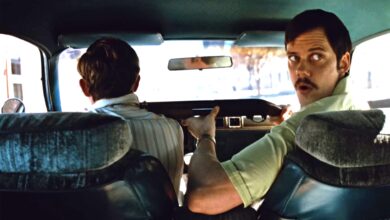
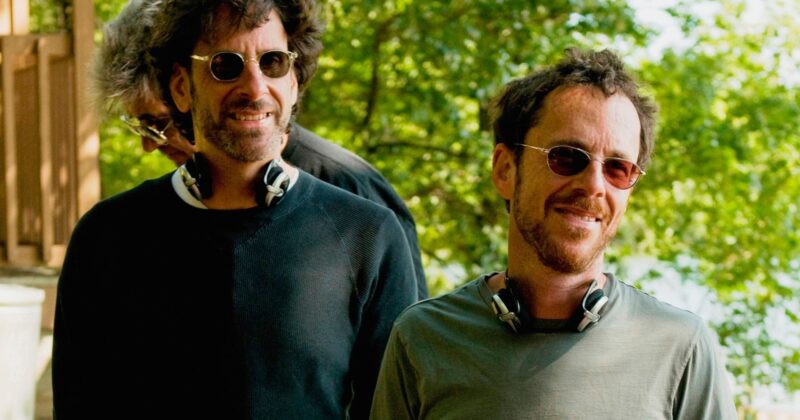
When a film opens with the declaration, ‘This is a true story’, audiences tend to lean in just a bit closer. That’s precisely the move the Coen Brothers played with the movie Fargo, a crime tale that spins wildly out of control in the frozen landscapes of Minnesota. But what made this film a pop culture anomaly wasn’t just its dark humor or twisted plot twists—it was the audacious approach the Coens took with facts and fiction, reshaping expectations for storytelling in Hollywood.
The Anatomy of Fargo’s ‘True Story’
Instead of being bound by the dogma of reality, the Coens used the trappings of ‘true crime’ as a creative playground. With its unforgettable title card—’The events depicted in this film took place in Minnesota…exactly as it occurred’—the film seduced the world into a bizarre scavenger hunt of truth and myth. Fans traveled to Minnesota, scoured for buried loot, and debated whether there was ever a real-life Jerry Lundegaard. The truth? Only fragments of the plot draw inspiration from reality: a GM Finance scam involving car serial numbers, and a grim murder by woodchipper. Neither involved a kidnapping nor the movie’s iconic mix of bumbling criminals and stoic officers.
The Pop Culture Ripple: From Oscars to Home Video Fame
Fargo didn’t just play tricks with the truth; it went on to reshape the Coen Brothers’ place in the industry. Previously revered for idiosyncratic cult hits like Barton Fink and Raising Arizona, the duo vaulted into the mainstream with the critical and commercial success of Fargo. The movie garnered seven Academy Award nominations, taking home statuettes for Best Original Screenplay and Best Actress (delivered with dry wit and steely grace by Frances McDormand). That was the catalyst for what would become a decorated Oscar trajectory, culminating with wins for films like No Country for Old Men.
Fargo and the Art of ‘Fake True Crime’
The allure of presenting fiction as fact isn’t unique to Fargo. Tobe Hooper’s horror classic The Texas Chain Saw Massacre took similar liberties, loosely connecting its terrors to the crimes of Ed Gein. But where others used truthiness to shock, the Coens indulged in storytelling so absurd and relatable that it became a primer in how audiences suspend disbelief—chasing after the ‘missing money’ and believing in characters whose choices are both tragic and comic.
The Television Renaissance: Fargo Breaks New Ground
Legacy in Hollywood isn’t measured just by box office receipts or critical acclaim; it’s about influence. Fargo’s journey continued far beyond the silver screen with the arrival of the FX anthology series helmed by Noah Hawley. Each season remixes the formula: new crimes, eccentric cast, and a fresh Minnesota chill. The show’s smart writing and stylish direction lured big names—from Billy Bob Thornton to Chris Rock—and riffed on the same ‘true story’ conceit, embroidering the Coens’ universe with new tales each year.
- Season 1: Billy Bob Thornton leaves chaos in a small town, influencing everyone he meets.
- Season 2: Jesse Plemons and Kirsten Dunst cover up a crime that plunges them into mafia politics.
- Season 3: Ewan McGregor stars as twin brothers ensnared by greed and family drama.
- Season 4: Chris Rock navigates a violent mafia turf war in 1950s Kansas City.
- Season 5: The series explores abduction and deeply buried secrets, keeping viewers on edge.
While each installment stands alone, sharp-eyed fans will spot subtle nods and cameos, creating an interwoven narrative patchwork. And, much like the original film, the series delights in blurring the boundaries of plausibility—never letting viewers forget how alluring (and unreliable) the label of ‘true story’ can be.
Why Fargo Still Matters
The fascination with Fargo endures because it’s more than just a film or a TV franchise—it’s a cultural touchstone that asks viewers to question the nature of truth in storytelling. The Coens broke the fourth wall not by speaking directly to the audience, but by playing with their expectations, showing that sometimes, fiction can feel more real—and more unsettling—than fact itself.