How From’s Season 4 Revives Lost’s Iconic Line with Fresh Time Travel Twists

The Haunting Echo of Lost in Today’s Top Streaming Horror Series
One of the most enduring legacies of the groundbreaking ABC series Lost is its unmistakable influence on modern storytelling, especially in shows centered on mystery, survival, and supernatural phenomena. The current standout horror series From, streaming on MGM+, revisits this legacy with remarkable reverence — even echoing one of Lost’s most memorable lines in its latest season.
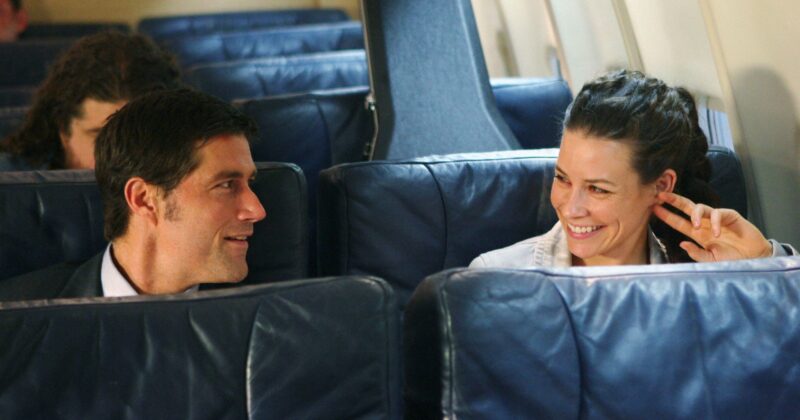
Lost defined a generation of TV viewers with its enigmatic island stranded castaways, convoluted narrative arcs, and that unforgettable plea from Jack Shephard: «We have to go back.» Now, in Season 4 of From, the show captures a similar spirit through the character Julie as she grieves and wrestles with the reality of loss and time itself, uttering the nearly identical line, «I have to go back!» This emotional plea, set against a backdrop of supernatural horror in a town trapped in time, taps into the same core human desperation—facing trauma and the wish to undo it—even if reality resists.
Converging Worlds: Lost and From’s Shared Narrative DNA
Both Lost and From center around groups inexplicably marooned in enigmatic, isolated settings—Lost’s mysterious island and From’s eerie, labyrinthian township. Each environment is home to menacing entities and surreal events layered with symbolism and hidden meaning. The protagonists, a diverse mix of strangers, are compelled to cooperate to survive the overarching mysteries.
What elevates both series is their weaving of quasi-mystical frameworks suggesting predestination or cosmic design. Characters don’t simply find themselves trapped; they appear fated to be entangled in unfolding stories larger than themselves. This gives the shows a mythological depth, with a cast of vividly drawn characters that provides unique narrative voices and emotional stakes to their respective tales.
Time Travel as a Narrative Catalyst: From’s More Grounded Approach
Time manipulation, while central in Lost’s later seasons, often led to complex, sometimes bewildering timelines that some viewers found challenging to navigate. From, conversely, introduces time travel with more restraint and thematic focus. In Season 3, the mechanism termed «story-walking,» primarily accessed by Julie, sets clear rules: it is limited in duration and scope, and it takes a significant physical and mental toll on her present self.
This narrative choice keeps the story grounded and the stakes palpable. Julie’s time jumps aren’t sprawling timeline resets but brief, intense glimpses into past events, which reveal critical story clues without overwhelming the series’ ongoing plots. This careful balance maximizes suspense while preserving the integrity and pacing of the primary storylines, such as township dynamics and interpersonal conflicts.
The Philosophical Resonance of «You Can’t Change a Story After It’s Been Told»
Another subtle but poignant resurrection from Lost’s philosophy appears when the ambiguous Man in Yellow asserts, «You can’t change a story after it’s been told.» This mirrors Lost’s mantra, «Whatever happened, happened,» encapsulating the narrative truism that while characters may attempt to alter past events, fate or narrative necessity keeps the timeline intact.
This thematic core deepens the emotional complexity of From, exploring helplessness and acceptance while still giving characters the agency to act—a tension that drives compelling drama. It aligns with many contemporary storytelling theories where the past shapes the present, and attempts to rewrite it often produce unforeseen consequences.
Julie’s Journey: A Fresh Spin on Classic Mystery Box Storytelling
Julie’s character serves as a vessel for From’s exploration of trauma, memory, and causality. After witnessing the death of a loved one, her desperate attempts to «go back» blend supernatural suspense with profoundly human grief. This lends a fresh emotional texture to the trope of time travel in genre television.
By focusing on a single character with this ability, From avoids the narrative pitfall of sprawling, confusing timelines, a common criticism aimed at Lost during its later seasons. This nuanced approach allows other characters and subplots—like Fatima’s pregnancy or unfolding township mysteries—to flourish without being eclipsed by complex temporal mechanics.
Why From Is a Must-Watch for Fans of Mystery and Horror
From’s ability to channel Lost’s spirit while maintaining its unique thematic flavor elevates it within the crowded field of mystery box shows. Its horror elements are deftly interwoven with science fiction and character-driven drama, appealing to audiences who appreciate layered storytelling that rewards attention and reflection.
For viewers fascinated by the mechanics of time travel in narrative fiction, From offers a promising case study in how to integrate such concepts without sacrificing coherence or emotional weight. It strikes a delicate balance between mystery, emotional depth, and supernatural intrigue—crafted with a keen understanding of genre expectations and audience engagement.
Expanding the Conversation: What From Means for TV Today
The reimagining of Lost’s iconic line and core thematic elements within From signals a broader trend in television: a growing appetite for smart, restrained genre storytelling that revisits and reinterprets classic motifs. This approach respects the intelligence of contemporary audiences, many of whom grew up binge-watching serialized dramas and expect layered narratives without unnecessary convolution.
As From continues its fourth season, it will be fascinating to observe how Julie’s time travel journey shapes the ultimate resolution of the township’s mysteries and whether the show avoids the pitfalls that challenged Lost’s conclusion. Its careful craftsmanship positions it well as a defining horror and mystery show of the current streaming era.