How Hacks Season 5 Reinvents the Sitcom Format with Fresh Storytelling

Reimagining the Sitcom: Hacks Season 5’s Bold Narrative Shift
The latest season of Hacks marks a fascinating departure from the storytelling style that made the show a standout. While the previous seasons leaned into serialized narratives, guiding viewers through long arcs such as creating a comedy special or launching a late-night show, Season 5 embraces a layer of structure that honors classic sitcom traditions without sacrificing the depth that modern audiences crave.
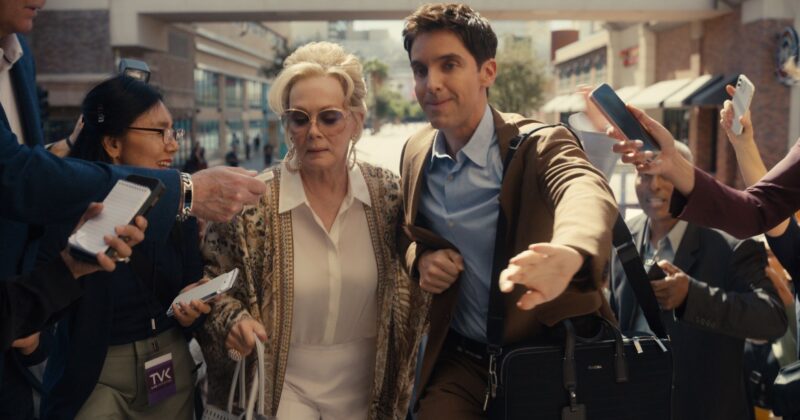
In the first episode of the season, «EGOT,» Deborah Vance attempts to side-step contractual limitations by staging a secret underground performance. This clandestine gig not only showcases her grit but hints at the undercurrent of rebellion that fuels her character. When Ava deliberately leaks footage from the show, Deborah’s covert efforts explode into the public spotlight, intertwining personal ambition and calculated risk. Interestingly, her flirtation with chasing an EGOT—a coveted achievement that combines Emmy, Grammy, Oscar, and Tony awards—gives way to a more tangible goal: securing a residency at Madison Square Garden. This pivot signals a grounded understanding of her true aspirations and lays fertile ground for an exciting journey.
The subsequent episode, «Number One Fan,» introduces an inventive twist: Deborah rallies her loyal fanbase to reverse Madison Square Garden’s initial rejection. This storyline arc elegantly compresses what could have stretched over multiple episodes into a sharp, compelling narrative. Here, that swift narrative movement distinguishes Hacks Season 5’s episodes as both self-contained stories and, importantly, pulses advancing the broader plot.
Then comes «No New Tricks,» where Deborah’s unexpected romance with a young pop star injects a refreshing emotional dimension to her journey. Their bond unfolds with surprising tenderness before a sudden breakup punctuates the episode, pushing Deborah toward newfound vulnerabilities and choices. This fast-paced storytelling approach enables dynamic character exploration while keeping viewers engaged in subtle, authentic ways.
Blending Traditions: Classic Sitcom Meets Modern Serialized Drama
To understand why this approach works, it helps to look at the evolution of comedy formats. Earlier multi-camera sitcoms—think Friends or Modern Family—aimed for episodes that could stand independently, providing satisfying resolutions by the end. The characters often reset to their starting point in each episode, maintaining a comforting familiarity. This episodic approach ensured that new viewers could jump in at any point without feeling lost.
Conversely, contemporary comedy series often embrace serialized storytelling, connecting episodes in a seamless narrative arc similar to a long-form movie. Hacks, until now, fit into this mold, building tension and development steadily over time.
Season 5’s method marries these paradigms. Each episode respects the classic sitcom ethos of a contained storyline, yet small narrative threads weave through the season, creating progression and stakes. The careful pacing ensures that while episodes are enjoyable on their own, they also push the characters’ journeys forward organically. It’s a structural innovation that breathes fresh air into the comedy genre, echoing the balance between tradition and innovation that Hacks consistently embodies.
Unlocking Endless Narrative Potential Amid a Final Season
With Season 5 serving as the concluding chapter for Hacks, this fluid storytelling format offers unmatched freedom. Freed from a rigid, single-goal structure that might have centered exclusively on Deborah’s Madison Square Garden residency, the series opens itself to unpredictable turns and richer character exploration. The narratives remain fresh and engaging, allowing Ava and Deborah to evolve in compelling ways each week.
This choice isn’t merely stylistic but deeply strategic. The season becomes a playground for character-driven storytelling, granting viewers new dimensions to connect with the protagonists. It respects the intelligence of its audience, providing unexpected twists without abandoning the familiar emotional beats that made the show beloved.
Throughout this season, the showrunners have crafted episodes that function like mini-movies—fully realized narratives with beginnings, middles, and ends—while still building toward the culminating performances and revelations ahead. This blend of episodic independence and season-long momentum exemplifies how current television can innovate by recontextualizing classic formats.
By embracing this hybrid style, Hacks not only honors the legacy of sitcom storytelling that underpins much of television comedy but also pushes the boundaries of what contemporary series can achieve. The result is a season that successfully engages fans old and new while setting a high bar for narrative creativity during a show’s final act.