Baldur’s Gate Enters the Live-Action Realm: What Fans Need to Know
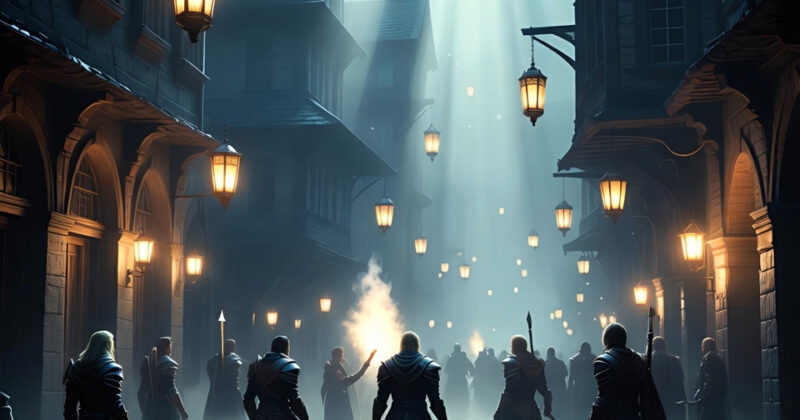
For the first time, the iconic Baldur’s Gate saga will get a live-action adaptation, with HBO Max bringing the legendary Dungeons & Dragons universe of the Forgotten Realms to streaming screens. Under the stewardship of Craig Mazin—famed for his work on Chernobyl and The Last of Us—the series is designed as a narrative successor to the blockbuster RPG Baldur’s Gate 3. While the show will carve its own path through new characters, it stands poised to weave in the rich, tumultuous events that have defined previous games in the series.
A New Heroic Party, But Old Shadows Linger
HBO Max’s narrative isn’t just starting at ground zero. The games—especially Baldur’s Gate 3 by Larian Studios—are packed with story-altering decisions. Players have journeyed as paladins, rogues, and warlocks, their actions shaping romance, betrayal, and the fates of entire factions. Translating this choice-driven storytelling to TV means the showrunners must decide what ‘really’ happened in Baldur’s Gate, even though every longtime fan carries their personal canon in mind.
Dodging the Trap of Bad Canon: What Not to Do
Fans remember well the infamous novelizations of the earlier games—Baldur’s Gate, Shadows of Amn, and Throne of Bhaal. Though meant to expand the world, these books suffered from a disastrous commitment to unpopular narrative choices. They handed the protagonist, Abdel Adrian, a string of morally bleak actions that alienated many readers: from senseless violence to wishing the death of companions for personal gain. The fallout was clear: by enshrining the ‘wrong’ choices, the novels erased the complexity and personal connection that defines the Baldur’s Gate experience.
The new series has the chance to write its own canon—one that balances the potential for darkness and heroism without falling into caricature or alienating viewers invested in their own stories. The show must respect the spirit of choice, crafting characters whose journeys feel authentic, dynamic, and true to the heart of the games. Instead of committing to harsh extremes, HBO Max can use moral ambiguity, layered motivation, and nuanced growth to bridge old lore with fresh storytelling.
Baldur’s Gate 3: Why the Stakes Are Higher Than Ever
Baldur’s Gate 3 isn’t just another game; its critical reception (with a stunning OpenCritic score near perfection) redefined expectations for modern RPGs. It leveraged the Divinity 4.0 engine, delivered robust cross-platform play and progression, and wrapped mature storytelling into a universe where consequences matter. Its roaring success deepens the challenge for HBO Max: audiences are more invested, and the canon is even richer. Add to that the complex web of relationships, unique party banter, and epic set pieces, and you see why respect for player agency is paramount.
From Console to Streaming: Embracing the Forgotten Realms
Dungeons & Dragons veterans will find plenty of juicy lore: Mind Flayers, Githyanki warriors, the sprawling city of Baldur’s Gate itself, and the ever-shifting boundaries between good and evil. With Mazin’s pedigree and the franchise’s deep history, there’s tremendous potential to build a show as ambitious and surprising as the game series. The key lies in the writers’ willingness to honor what made the games special: moral choices that matter, party dynamics that spark, and stakes that feel personal and epic—without being beholden to any one version of the story.
Where to Experience Baldur’s Gate 3 for Yourself
For those new to the world or eager for a refresher, Baldur’s Gate 3 is available for PC, PlayStation, and Xbox platforms, supporting cross-save and cross-play features for seamless adventuring.