The Unseen Impact of Jessica Jones on the MCU’s Civil War Debate
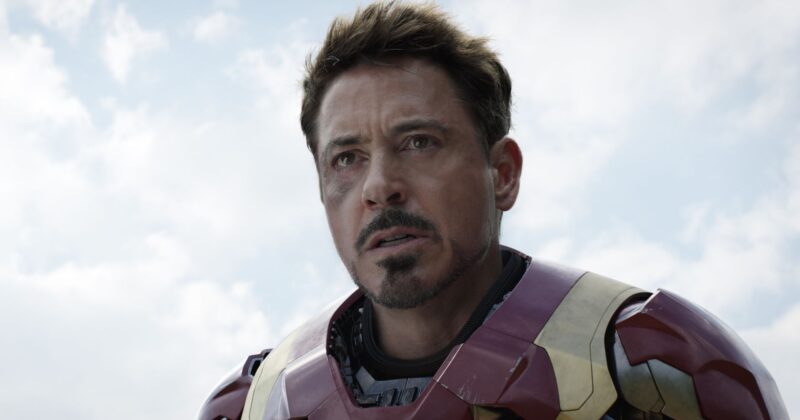
When the Marvel Cinematic Universe (MCU) first brought Iron Man and Captain America into direct conflict over the fate of superheroes in ‘Civil War,’ it set up one of the franchise’s most personal and philosophical battles. On one side, Tony Stark demanded accountability for those with powers; on the other, Steve Rogers fought for individual freedom and responsibility. But as the MCU continues to evolve, the return of Jessica Jones in ‘Daredevil: Born Again’ is about to change the narrative — and give new depth to Iron Man’s most divisive argument.
Jessica Jones and the Netflix Marvel Legacy: Now Officially MCU
For years, there was a lingering question about whether the characters from the Netflix Marvel series — like Jessica Jones, Luke Cage, and Daredevil — truly existed in the same universe as Iron Man and the Avengers. The return of Krysten Ritter as Jessica Jones in the upcoming season of Daredevil: Born Again isn’t just fan service; it’s the clearest signal yet that these stories, with all their complexities and character histories, are now fully canon within the MCU.
This has a massive ripple effect, especially since the dynamic between Jones and Daredevil, as originally established in The Defenders crossover, remains intact. With Jones’ story and all its gritty detail brought back into the MCU spotlight, so too is arguably one of the most chilling villains ever seen in Marvel live-action: Kilgrave.
Kilgrave: A Villain Who Changes Everything
David Tennant’s Kilgrave redefined what a sinister antagonist could be on television. His ability to control minds — removing free will from his victims — struck a tone far more disturbing than many of the cosmic or monster threats of the MCU. With the confirmation that Kilgrave is officially part of the MCU timeline, his existence immediately casts new light on some of the core arguments from ‘Civil War.’
The film’s focus was on the dangers and responsibilities of superpowered individuals, often centered on figures like Scarlet Witch. But Scarlet Witch, even in her most troubled moments, operates from a fundamentally humane starting point. Kilgrave, by contrast, is the ultimate cautionary tale — a person with staggering powers and no moral boundaries, using his abilities to commit atrocities without consequence.
Reinterpreting Tony Stark’s Fears: A New Perspective on Civil War
Iron Man’s stance in ‘Civil War’ — advocating for stricter oversight and registration — drew criticism, especially from fans who saw him as undermining hero autonomy. However, knowing that someone as dangerous as Kilgrave could have existed concurrently, the logic behind Stark’s anxieties suddenly becomes much more concrete.
It’s no longer just about the hypothetical risk of heroes going rogue or causing collateral damage. The reality of a villain like Kilgrave operating unchecked elevates the philosophical stakes of the ‘Civil War’ debate. In a world where metahumans with mind-control abilities can commit acts of terror, Stark’s call for proactive measures is no longer mere paranoia — it’s a prudent reaction to a tangible threat.
The Complexity of Powers: Marvel’s Ongoing Evolution
Marvel’s greatest narrative strength has always been in blending the fantastical with grounded, human dilemmas. The reintegration of the Defenders’ storylines into the MCU means the universe is no longer just about world-ending threats, but also street-level horror and ethical ambiguity.
Kilgrave’s powers, troublingly similar to those of iconic heroes like Professor X, force a reexamination of what makes a character a hero or a monster. The difference lies not in the powers themselves, but in the choices and morality behind them. This is the essence of the MCU’s evolution: stories where power must be balanced by principle and trust.
Why the MCU’s Embrace of Its Darker Corners Matters
By making Kilgrave canon, Marvel doesn’t just add a terrifying villain to its roster. It legitimizes the grittier, more complex storylines that unfolded on Netflix — narratives that weren’t afraid to ask what happens when the wrong person gains extraordinary abilities. This move deepens the MCU’s moral universe and argues for the continued value of its complicated antiheroes and terrifying villains.
With Daredevil: Born Again soon set to explore these issues anew and Jessica Jones stepping back into the limelight, fans can expect a Marvel Universe that isn’t afraid to confront uncomfortable questions head-on — especially when the stakes involve not just world safety, but the very fabric of what it means to be heroic in a world full of extraordinary risks.