How ‘Justified’ Transformed the Modern Western & Redefined Crime Drama on TV

The Day Westerns Evolved: How ‘Justified’ Changed TV Forever
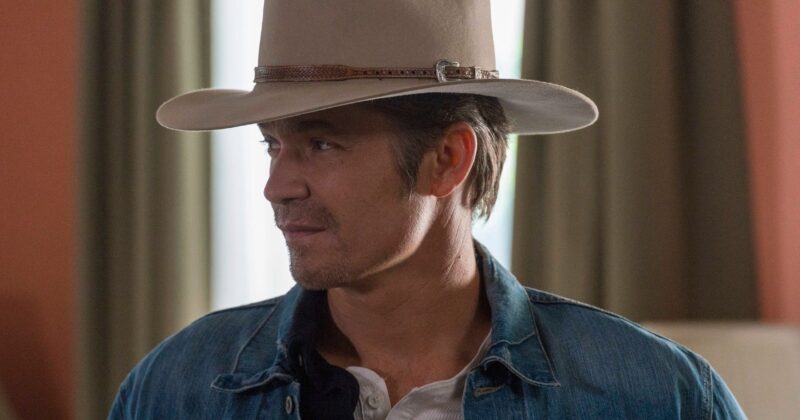
Timothy Olyphant walked onto the screen as Raylan Givens and, with a tilt of his cowboy hat, signaled the start of something entirely new for television. While classic Westerns are anchored in the dusty landscapes and strict codes of the Old West, ‘Justified’ took the spirit of the gunslinger and thrust it into contemporary Harlan County, Kentucky. From the moment the first episode aired, it was clear this wasn’t a nostalgic retread—it was the birth of the neo-Western as we know it.
Neo-Western DNA: Crime Drama Meets Timeless Frontier Attitude
The genius of ‘Justified’ rests in its ability to let Western tropes rub up against present-day law enforcement. Raylan’s iconic hat is a visual calling card, making him stand out even more in a world of police badges and FBI windbreakers. While his U.S. Marshal badge evokes the authority of the old sheriff, what truly bridges genres is Raylan’s approach to justice: less bureaucracy, more stare-downs and fast draws—a modern echo of Wild West duels.
This isn’t a world where lawlessness reigns—quite the opposite. In ‘Justified’, there’s an ongoing battle: crime is inevitable, but Raylan’s job isn’t to erase it, just to hold the line, day after day. The result is a crime drama driven not only by gripping cases, but also by a palpable atmosphere—a lingering sense that justice is personal, complicated, and never absolute. It’s no wonder viewers found both fresh excitement and familiar echoes of Western mythology.
Expanding the Western Frontier: The Neo-Western Boom
What ‘Justified’ started quickly became a movement. TV soon saw an explosion of neo-Westerns: shows that broke out of the old saloon-and-saddle sandbox and played with the genre’s themes in unexpected settings. Yellowstone transformed cattle ranching into a contemporary corporate feud, and Taylor Sheridan’s creative universe—ranging from Landman to crime sagas—drew heavily on the template that ‘Justified’ helped to legitimize. Series like Longmire, Dark Winds, Outer Range, and Joe Pickett all took cues from the show’s unique blend of Americana, anti-heroic lawmen, and complex local rivalries.
Unforgettable Characters: A Living, Breathing Harlan County
What makes ‘Justified’ endure isn’t just the action or even the clever genre mashup. The series comes alive because of its richly drawn characters, at the heart of which are Raylan Givens and his nemesis, Boyd Crowder. Walton Goggins brings such magnetic intensity that Boyd is impossible to hate—even when he’s clearly the outlaw. Their cat-and-mouse relationship gives ‘Justified’ its depth: a battle of wits, wills, and, sometimes, mutual respect laced with deadly intent.
The dynamic in Harlan County feels larger than life, a microcosm of the eternal struggle between order and chaos. Yet it’s never simplistic. The sympathy the audience feels for Boyd complicates the traditional good-versus-evil trope, making every encounter feel unpredictable and urgent. The emotional stakes are as high as the shootouts, which is precisely why the show continues to resonate today.
The Craft Behind the Iconic Look and Feel
Behind every intense staredown and every slow-burn investigation are a team of masterful directors and writers, including Adam Arkin, Jon Avnet, and Lesli Linka Glatter. The dialogue crackles—sharp, witty, steeped in regional flavor. Harlan isn’t just a backdrop; it’s a character in its own right, both prison and playground for everyone caught in its web. The show’s technical details—from its distinctive score to the careful authenticity of its settings—cement its place as a benchmark for the genre’s modern evolution.
From Cult Status to Genre Benchmark
The ripple effects of ‘Justified’ are everywhere in current TV, especially among creators pushing the boundaries of what a «Western» can be. By letting the past and present coexist, ‘Justified’ reminded audiences that Westerns are less about dust and horses than about spirit, struggle, and a sense of place. Today, its influence is evident wherever troubled lawmen face impossible odds, and viewers keep returning, hungry for a taste of that frontier bravado—now sporting a contemporary badge.