The Unexpected Origins of Disney’s Modern Musical Magic
The tidal wave of animated classics that secured Disney’s billion-dollar comeback may never have happened without the quirky roots of a cult musical: Little Shop of Horrors. Well revered in theater and film circles, its creative DNA quietly underpins the iconic era fans now celebrate as the Disney Renaissance—a time when movies like The Little Mermaid, Beauty and the Beast, and The Lion King reshaped not just Disney, but the culture of family entertainment worldwide.
The Menken-Ashman Partnership: Ground Zero for Innovation
Before Disney’s revival, composer Alan Menken and lyricist Howard Ashman were carving out a legacy together in New York’s theater scene. Their partnership was electric: Ashman’s sharp, character-driven lyricism matched by Menken’s genre-hopping melodic brilliance. Their first true breakthrough came with Little Shop of Horrors, transforming a low-budget 1960 B-movie into an emotional and satirical stage sensation. This offbeat blend of rock, doo-wop, and show tunes—filled with characters as hilarious as they were tragic—foreshadowed the heart and humor soon to define Disney’s animation slate.
From Theater Cult Classic to Celluloid Curiosity
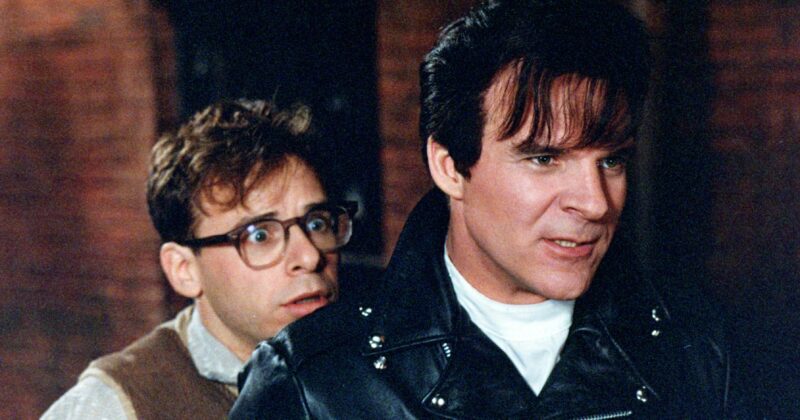
Following the musical’s runaway stage success, a film adaptation was inevitable. With Frank Oz (of Muppet fame) at the helm, Rick Moranis and Steve Martin delivering standout comedic turns, and Ellen Greene reprising her original role, expectations soared. Yet, Little Shop of Horrors didn’t set the box office on fire. Its genre-mixing charm puzzled marketers, and the era wasn’t hungry for musicals. Still, its darker undertones and resculpted ending signaled a willingness to subvert the norm—something that, paradoxically, drew in legions of fans on home video and turned the movie into an enduring touchstone.
Blueprint for the Disney Renaissance
The real legacy of Little Shop of Horrors is how its structure, tone, and musicality rewrote the playbook for Disney’s greatest animated films. Menken and Ashman didn’t just pen catchy songs; they injected them into the soul of the narrative. Their revolutionary ‘I want’ song—a number that exposes a character’s deep longing—was split between Seymour’s hopeful ‘Grow for Me’ and Audrey’s tender ‘Somewhere That’s Green’. When Ashman brought this formula to Disney, it became the bedrock for Ariel’s yearning in ‘Part of Your World’ and Belle’s soul-searching tune in Beauty and the Beast.
These musical innovations went far beyond the surface. Songs became the backbone of character arcs and emotional stakes, not just musical interludes. Even Disney’s most deliciously evil villains owe a debt to Little Shop’s bombastic ‘Dentist!’, whose comedic flair echoes through Scar’s ‘Be Prepared’ and Ursula’s ‘Poor Unfortunate Souls’. Visually, Audrey II’s vines set a precedent for the flamboyant animation of villains like Ursula, whose tentacles slither with similar humor and menace.
Tonal Balance: Mixing Laughter with Depth
Perhaps most importantly, Little Shop of Horrors showed Disney creatives it was possible to juggle absurdity, genuine emotion, and even darkness in one seamless narrative. The confidence to blend comedy and darker themes would define much of Menken and Ashman’s subsequent work, creating experiences that spoke to both children and adults. Ashman’s legacy continues to ripple through the entire industry, a testament to how a supposed ‘flop’ became a template for one of entertainment’s most influential eras.
A Touchstone for Musicals, Animation, and Pop Culture
For fans of classic musicals, animation aficionados, and anyone passionate about the evolution of cinematic storytelling, tracing the lineage from Little Shop of Horrors to Disney’s golden age is a reminder that sometimes, audacious experiments—no matter how unconventional—set the stage for revolutions in art and entertainment.