Loki: A Marvel Series Like No Other
When Loki arrived on Disney+, expectations were already sky-high. Tom Hiddleston’s god of mischief had become a fan favorite across six Marvel films, culminating in a complex arc from villain to near-hero. But rather than continue along a linear, familiar path, Loki fearlessly tossed the established MCU rulebook out the window, instead opting for radical character reinvention and experimental narrative techniques rare in the superhero TV landscape.
A Radical Reworking of a Beloved Character
One of the most daring choices was to reintroduce Loki not as the character who’d grown through years of MCU events, but as a variant. This timeline shift plucked Loki from a single pivotal moment during the Avengers’ time heist, right after he grabbed the Tesseract. Overnight, a decade of development was rewritten. Gone were Loki’s emotional resolutions with Thor or his redemptive acts in Asgard – this was a trickster unmoored, dropped into the labyrinthine bureaucracy of the Time Variance Authority (TVA).
Instead of leaning on familiar bonds or Marvel fan service, this approach stripped the character down to his rawest, most unpredictable core. For long-time MCU viewers, the gamble could have alienated; for newcomers, the context might seem impossibly obscure. Miraculously, the gamble paid off. The series used the TVA’s surreal setting to unravel Loki in new, unexpected ways, showcasing just how much the character could evolve across timelines, genres, and even personalities.
The Meta and the Intimate: Two Stories in One
Another subversive move was Loki’s mastery of meta storytelling. The concept of the ‘sacred timeline’—a universe curated for MCU canon—was both a clever nod to fans and a commentary on what gets sidelined or trimmed from sprawling universes like Marvel’s. Audiences were treated to variant Lokis, each a rejected storyline or an alternate reality too strange for mainline movies—a playful wink at comic book history and the infinite possibilities found in long-running franchises.
Yet, what truly set Loki apart was how it balanced this kaleidoscopic, self-aware spectacle with a deeply personal story. Beneath the TVA’s fluorescent lights and quantum mechanisms, the core of the show was a character study. Loki, stripped of power and myth, embarks on a journey not just across timelines but inward, confronting his motives, regrets, and capacity for change. Few superhero shows would risk this collision of existential drama and whimsical comic commentary. The result? Unpredictable and thrilling at every turn, ensuring viewers could never second-guess what awaited.
Breaking (and Making) the Rules of Sci-Fi on TV
Loki’s rule-breaking wasn’t just in how it handled its main character or its timeline tricks. The structure of the series, spanning two distinct yet interconnected parts, was itself a commentary on modern streaming culture and the flexibility it allows for storytelling. The showrunners blended procedural elements of speculative fiction, the rich mythology of comics, and outright philosophical musings on free will versus destiny.
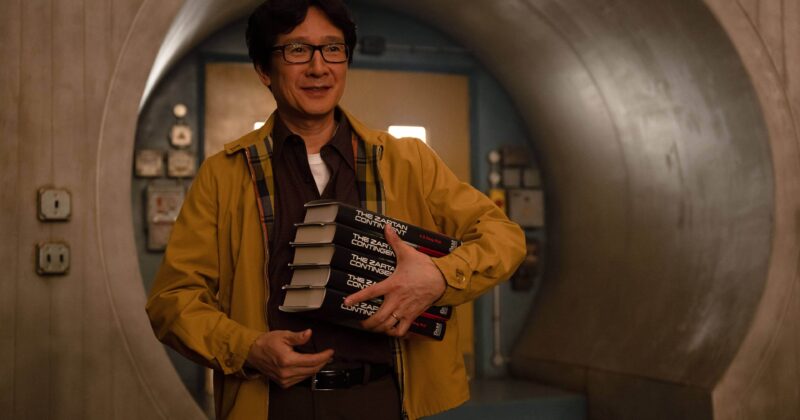
For those seeking innovation in the MCU or even in the wider genre of science fiction television, Loki stands as a masterclass in taking creative risks. Every episode intertwines mind-bending narrative turns with intimate revelations, from Ouroboros’ (OB) witty quantum banter to Sylvie’s parallel quest to redefine her own fate. In a landscape crowded with formulaic heroes and worlds, Loki didn’t just bend the rules—it rewrote them, reminding viewers why the god of mischief will always have the last laugh.
Streaming Loki on Disney+
Loki is available for streaming exclusively on Disney+, featuring standout performances by Tom Hiddleston, Sophia Di Martino, and Ke Huy Quan, among others. The creative risks that shaped Loki are a rarity in major studio productions, making it an essential watch for anyone fascinated by the boundaries of superhero and sci-fi storytelling.