How The Mandalorian and Grogu Revived Original Star Wars Practical Effects and Filmmaking Innovations

Return to Practical Effects: A Nod to Star Wars Legacy in The Mandalorian and Grogu
The upcoming film The Mandalorian and Grogu marks a significant moment not just as the first Star Wars story on the big screen since the conclusion of the Skywalker Saga, but also for its deliberate embrace of filmmaking techniques pioneered during the original trilogy era. Under Jon Favreau’s direction, this movie bridges cutting-edge technology with classic craftsmanship, reaffirming the franchise’s roots in practical effects while integrating modern visual effects advancements.
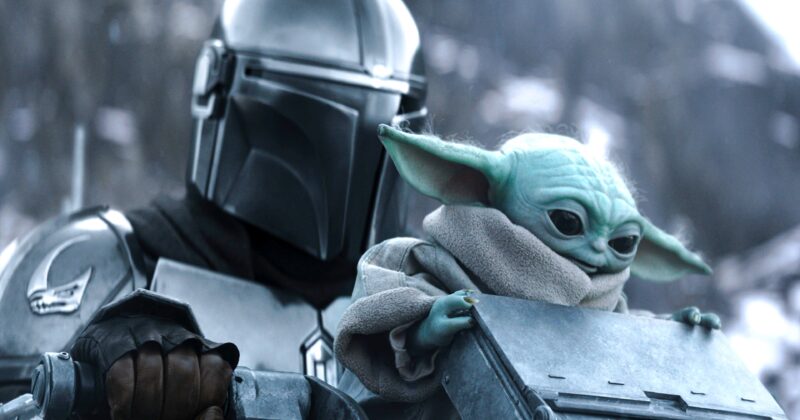
Set shortly after the events of The Mandalorian season 3, the story follows Din Djarin, portrayed by Pedro Pascal, now working more straightforward contract jobs. One such mission involves a New Republic colonel named Ward commissioning him to rescue Jabba the Hutt’s son, Rotta. This setup continues the mix of gritty, grounded storytelling that made the Disney+ series a fan favorite while providing a film that feels both fresh and honoring to long-time Star Wars enthusiasts.
The Resurrection of the Dykstraflex Motion-Control Rig
A notable technical highlight is the revival of a filmmaking marvel: John Dykstra’s Dykstraflex, a sophisticated motion-control miniature rig originally designed for George Lucas’s original trilogy. This rig allowed dynamic, precise miniature shots by controlling camera movements with a computer, revolutionizing special effects at the time.
Favreau’s team rediscovered the potential of this classic tool, historically abandoned in favor of bluescreen and, later, extensive CGI techniques. Instead of fully relying on digital effects, they integrated the motion-control rig to capture sequences with real models and miniatures, enriching the visual texture and detail of the movie’s universe. One example is the redesigned Razor Crest, which was even enlarged and meticulously crafted by ILM veteran John Goodson for more authentic model shots.
This approach melds nostalgia with innovation, enabling the filmmakers to deliver shots that not only satisfy dedicated film enthusiasts but also invite newer audiences into the tactile and immersive world Star Wars originally created.
Balancing Practical and Digital Effects in Modern Star Wars Storytelling
While The Mandalorian and Grogu celebrates long-standing practical techniques, it doesn’t fully shy away from modern CGI. The film uses computer-generated imagery for characters like Rotta and other Hutts, enhancing expressiveness and environmental interaction that would be challenging with puppetry alone. The trailers hint at sequences that blend digital landscapes and practical sets, demonstrating a thoughtful synthesis between old and new.
This hybrid method aligns with the technologies first introduced during the prequel trilogy but refined by innovations like The Volume—ILM’s groundbreaking virtual production stage used extensively on The Mandalorian series. This synthesis allows for expansive world-building and complex action sequences that retain an organic feeling.
Continuity and Evolution in Practical Effects: From Rian Johnson to Jon Favreau
Favreau’s commitment to practical effects follows a recent resurgence in the franchise, most notably seen in Rian Johnson’s work on The Last Jedi, which featured over 200 practical creatures and puppetry, including a puppeteered Yoda. This trend highlights a desire within the Star Wars creative community to retain tangible, hands-on artistry amid the rise of purely digital production.
The tactile charm of practical effects enhances performances and often results in a more immersive viewing experience. Grogu, or Baby Yoda, epitomizes this blend, with Favreau’s team using animatronics and puppetry to create a character that resonates emotionally and visually on-screen.
Impact on Future Lucasfilm Productions
With The Mandalorian and Grogu reportedly operating on one of the lowest budgets compared to recent Star Wars productions, its success in blending classic techniques with contemporary cinematic tools could influence future filmmaking directions at Lucasfilm. Encouraging a shift back toward practical effects could inspire other Star Wars storytellers to harness similar methods, balancing budget constraints with creative ingenuity.
As Hollywood continues to explore a blend of practical craftsmanship and digital artistry, Favreau’s approach with the Star Wars franchise highlights how filmmakers can honor the past while embracing the future, cultivating a cinematic legacy that feels fresh, tactile, and true to its foundational spirit.