M*A*S*H: The Sitcom That Redefined TV Storytelling
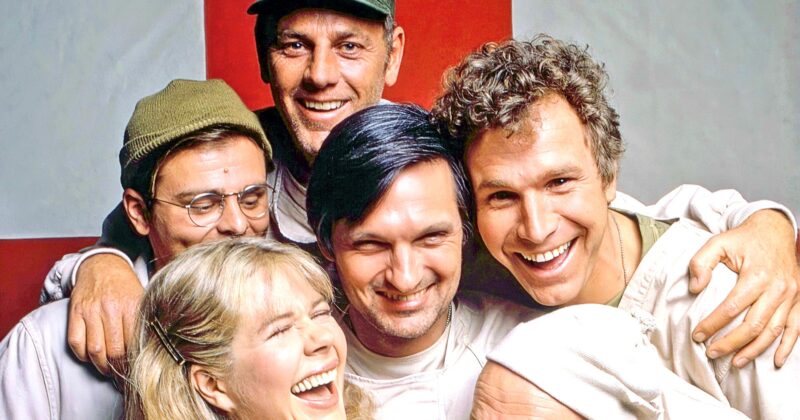
When it debuted, M*A*S*H was already a unique entry in television, adapting Richard Hooker’s novel and Robert Altman’s iconic film into a weekly series about the surgeons and staff at a mobile army hospital during the Korean War. What set M*A*S*H apart wasn’t just its razor-sharp wit, but its ability to balance humor with the grim realities of war. Over its 11-season run, it became a cultural juggernaut, earning over 100 Emmy nominations, 14 Emmy wins, and delivering some of TV’s most memorable characters like Hawkeye Pierce (Alan Alda) and B.J. Hunnicutt (Mike Farrell).
The Episode That Shocked the World: ‘Abyssinia, Henry’
For many viewers and critics, the real turning point came in what seemed an ordinary season finale. In ‘Abyssinia, Henry,’ the tone of televised comedy changed forever. Veteran fans recall that up until this pivotal episode, Lieutenant Colonel Henry Blake (McLean Stevenson) had been guiding the 4077th with lighthearted authority. The setup was classic sitcom: Blake receives his discharge papers, says heartfelt—if somewhat understated—goodbyes, and leaves viewers expecting a typical, cheerful TV sendoff.
But then came a narrative jolt that left audiences speechless. While surgeons Hawkeye and Trapper (Wayne Rogers) are deep in surgery, Radar O’Reilly (Gary Burghoff) enters the operating room to inform everyone, almost absentmindedly, that Henry Blake’s plane had gone down—there were no survivors. The scene goes silent. The war, once sanitized for the sitcom format, feels suddenly and painfully real. In the midst of saving lives, the team has no choice but to continue working. Blake’s absence lingers over subsequent episodes, marking one of the first on-screen deaths of a major comedic character. The TV landscape would never be the same.
Comedy Meets Tragedy: Shaping the DNA of Modern Television
Prior to this episode, sitcoms seldom ventured into truly dark territory. They operated under an implicit pact: lead characters, especially beloved ones, remained safe. M*A*S*H broke that agreement decisively. The death of Henry Blake was not played for laughs, nor did it prompt a simple emotional beat quickly swept aside. Instead, the event advanced the show’s willingness to confront the war’s impossibly high stakes, raising profound questions about the cost of conflict and the limits of friendship in times of crisis.
This narrative courage forced the series into new territory. The introduction of Col. Sherman T. Potter and B.J. Hunnicutt was not just a cast refresh; these characters brought depth and complexity, grounding Hawkeye’s rebellious energy. The interplay between comedy and drama became the core of the show’s enduring appeal, setting a precedent for ‘dramedy’ long before the term existed.
A Legacy that Resonates in Today’s Television
The gamble paid off in a big way. M*A*S*H’s blend of laughter, heartbreak, and moral reflection influenced countless later series, from the genre-bending of Scrubs to the complexity of modern dramedies found on streaming platforms today. Whether it’s Atlanta flipping effortlessly between biting satire and personal trauma, or BoJack Horseman dissecting existential dread with animated absurdity, “Abyssinia, Henry” echoes in every risky, emotionally layered sitcom that followed.
The power of M*A*S*H‘s storytelling lives on—not just for the size of its audience or the tally of its awards, but for its willingness to break the rules, confront the darkness, and do so with a human touch that still feels startlingly current.