The Men in Black Universe: A Franchise Powered by Star Talent
The world of Men in Black became an instant genre icon thanks to its blend of sci-fi spectacle and sharp comedy, all tied together by Will Smith’s energetic take on Agent J and Tommy Lee Jones’ perfectly deadpan Agent K. By mixing government conspiracy, alien intrigue, and stylish action, the series didn’t just ride the wave of late 90s blockbuster cinema—it helped define it. When you talk about franchises that sit comfortably in the pantheon of cinematic universes, Men in Black stands out for its creativity and surprising emotional depth nestled beneath the sunglasses and neuralyzers.
The Success—and Stagnation—of the Franchise
Over the course of three main films, audiences watched Smith and Jones develop a nuanced partnership, with the intergenerational dynamic between J and K providing both laughs and heartfelt moments. The trilogy drew to a natural close, but the appetite for more cosmic misadventures remained. The attempt to reboot with Men in Black: International—featuring Chris Hemsworth and Tessa Thompson—shifted the franchise dynamic, but struggled to match earlier success, both critically and commercially.
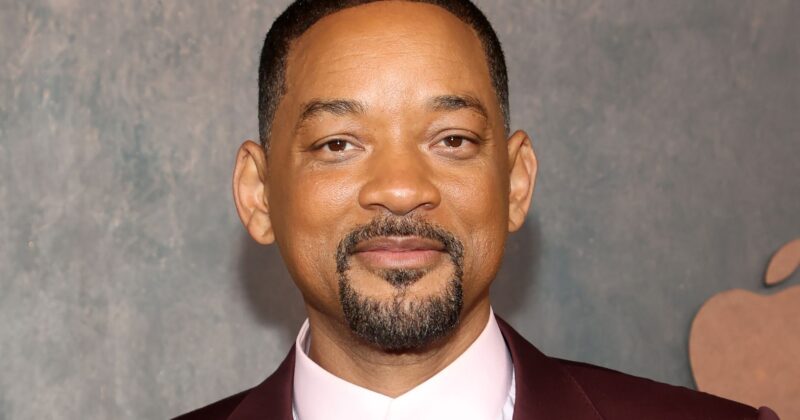
With box office numbers falling far short of earlier installments and early plans for cross-franchise mashups like a Jump Street crossover abandoned, the studio found itself circling back to familiar territory. The most recent strategy: bring Will Smith back as Agent J, a move that speaks to the studio’s difficulty in breaking away from the established formula.
Josh Brolin: The Franchise’s Missed Opportunity
Arguably the most intriguing what-if in the Men in Black universe isn’t about which alien or anomaly slipped through the cracks—it concerns the path left unexplored after Josh Brolin’s turn as a young Agent K. Men in Black 3 cleverly used time travel to introduce a younger version of K, with Brolin brilliantly capturing the stoic gravitas and subtle humor that Tommy Lee Jones brought to the character. Despite initial rumors of other big names for the role—Mark Wahlberg among them—it was clear Brolin was the perfect fit, blending seamlessly into the franchise’s established dynamic.
The third film, propelled by Brolin and Smith’s chemistry, set a new high at the box office for the series. The door was wide open for a fresh direction: following the untold adventures of a middle-aged Agent K during the golden era of Men in Black. Imagine secret space treaties, undercover skirmishes in the 1970s, or deep dives into the agency’s mysterious roots. Yet, instead of capitalizing on Brolin’s portrayal, the franchise never seriously ventured down this path.
What Could Have Been: The Prequel Saga That Never Was
With Men in Black 3’s story flashing back to 1969, there remained nearly three decades of unexplored agency history before the events of the original film. The potential for world-building was immense—introducing new partners, galactic threats, and cultural shifts as the Men in Black navigate a changing world. As confirmed by producers at the time, there were even active discussions about how to move forward without relying solely on Smith’s star power.
A trilogy of Agent K-centered prequels could have offered vibrant new energy and expanded the franchise’s universe while respecting its foundational lore. These stories wouldn’t just entertain—they would deepen our understanding of K’s inscrutable nature and his eventual mentorship of J, all through the lens of Brolin’s pitch-perfect performance.
Why Time Has Passed for That Dream
Today, the opportunity for Brolin-led prequels has sadly faded. As the years have gone by, the age gap required for believable prequels has widened, making it much trickier for Brolin—who already played considerably younger in his last appearance as K—to convincingly portray the agent’s formative years.
In the ever-evolving arena of Hollywood franchises, timing and casting often decide the fate of cinematic universes. The Men in Black franchise showed a willingness to experiment, but sometimes, even amidst interstellar possibilities, the best avenues remain unexplored. Today, fans and analysts alike continue to speculate on the alternate timelines where Agent K’s backstory anchored a whole new trilogy—and, in the process, perhaps updated the rules of how shared universes expand.
The Enduring Legacy of Men in Black
Even with missed opportunities, Men in Black remains a towering force in pop culture—a testament to its memorable leads, inventive world-building, and irresistible blend of action, comedy, and cosmic wonder. With whispers of Agent J’s return and the franchise’s appetite for adaptation, the universe still holds countless stories yet to be discovered somewhere in the annals of the MIB archive.