The Constant Reinvention of Netflix’s Detective Franchise
When it comes to detective fiction, streaming giants have only boosted the abundance of crime-solving tales. The murder mystery is a format audiences never truly outgrow—swap out the mansion for a villa, a Scotland Yard inspector for a quirky outsider with unforgettable quirks, and the game is back on. But amid this deluge of interconnected universes and sprawling TV runs, rare is the franchise that manages to keep each installment vibrantly original without falling into the trap of worn-out tropes or formulaic repetition.
The Rian Johnson Effect: Breaking the Mold
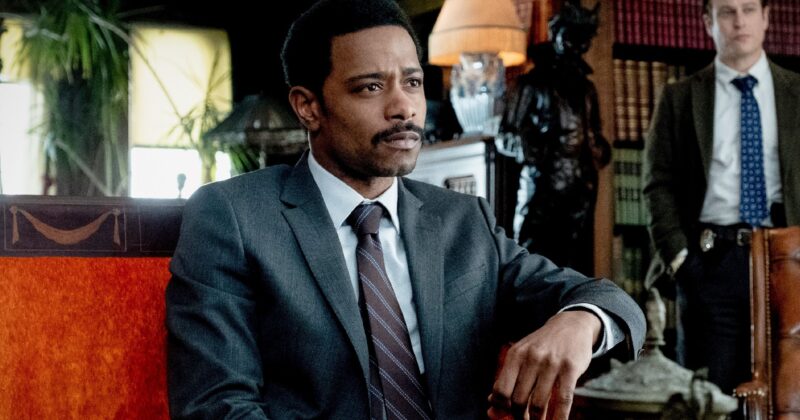
The franchise that’s captured intrigue and broken the mold is the Benoit Blanc saga, directed by Rian Johnson. Each movie—Knives Out, Glass Onion, and a highly anticipated third chapter—embraces the ephemeral nature of the murder mystery. Instead of clinging to recurring suspects or fixed backdrops, Johnson leans into the genre’s greatest weakness: interchangeability. Settings shift wildly, from crumbling manors to luminous Greek islands and even picturesque village chapels, and with each change, the scenario feels fresh, never recycled.
This approach turns the series’ lack of fixed world-building into a strength. Where most detective franchises milk a single setting across years or spin-offs—think of how ‘Death in Paradise’ turned cozy Caribbean mysteries into a cottage industry—the Knives Out films refuse to stay in one place, literally and creatively.
Star Power as a Rotating Puzzle Piece
Each film assembles an ensemble A-list cast, the kind you’d expect to see milling at an Oscars after-party, not committing to multiple sequels. Daniel Craig’s Benoit Blanc is the sole constant, and even he serves as a blank slate for new shades and quirks between movies; in fact, the original plan was to give him a new accent in each chapter before settling into his signature Southern drawl. This strategy keeps not just the cast fresh, but Blanc himself immune from stagnation—a rare feat for a modern detective franchise.
The flexibility of star casting allows Johnson to playfully subvert expectations. In each entry, characters are shaped for maximum one-off impact, refusing to let the murderer or formula define the heart of the narrative. You never get the sense the pieces are simply being rearranged and replayed as with so many franchises—each time, there are fresh faces, fresh motives, new games to be played with audience perception.
Moving Beyond the Mystery Clue Sheet
Traditionally, the thrill of a detective story pivots on one burning question: Who did it? Yet as the series progresses, Johnson’s vision moves beyond just unmasking culprits. Glass Onion ramped up the spectacle by dissecting not just the act, but the hollowness of celebrity culture, with Janelle Monáe’s dual roles and Edward Norton’s imperious billionaire setting a sharp, satirical edge. The finale openly scoffed at the mechanics of the standard whodunit, with Benoit Blanc himself dismissing the solution as ‘just dumb’ and, by extension, indicting the genre’s usual tricks.
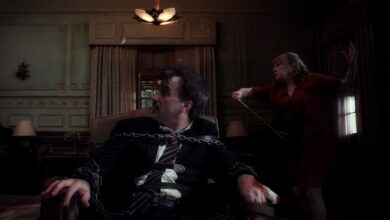
With the arrival of Wake Up Dead Man, the focus pivots again. The film’s resolution isn’t about a shocking reveal but the extraction of a malignant force from its community, observed through a pulpit speech rather than a dramatic drawing room confrontation. This subtly forces the audience to look not only for blood on the knife, but stains on the soul—a narrative evolution most detective properties shy away from.
Technical Influences and Cultural Impact
Each movie demonstrates a deep understanding of how location, character, and context can keep a franchise thriving as pop culture shifts. The permission to play with tone—from gothic old-money intrigue to glossy meta satire—ensures that every finale feels relevant both in social commentary and entertainment value. As a result, this trilogy is becoming a modern blueprint for how to sustain narrative tension across an anthology franchise.
In an age where dozens of detective reboots and TV serials vie for eyeballs, Netflix’s three-part detective saga stands out by actively deconstructing the formula it’s built on. and that’s exactly what keeps viewers eager for every next chapter.