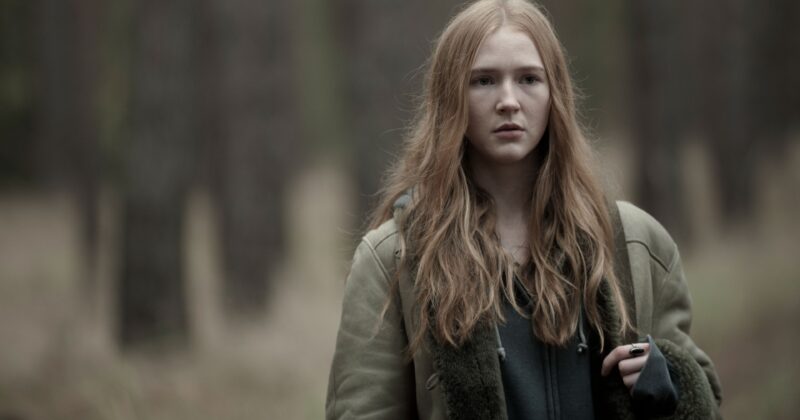
The Secret Success of Netflix’s Dark: Sci-Fi, Time Travel, and Meticulous Storytelling
Dark, Netflix’s German-language thriller, stands as a masterpiece in the ever-evolving sci-fi mystery genre. Unlike many mystery box series that sprawl across endless seasons, leaving audiences tangled in unresolved clues and abandoned characters, Dark achieved what few dare to attempt: an intricately woven narrative that not only ventures boldly into the realms of time travel and parallel realities but also provides genuine, satisfying answers.
Why Sci-Fi and Mystery Box Formats Are Such a Perfect Match
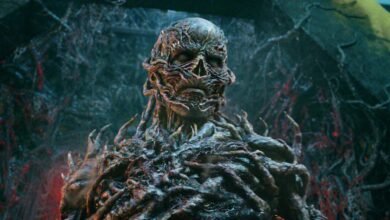
Science fiction has always thrived on big questions and bigger plot devices—think doppelgängers, temporal paradoxes, and alternate universes. It’s no wonder that most iconic mystery box shows like Lost, Westworld, Stranger Things, and the recent Fallout adaptation gravitate toward sci-fi. The genre welcomes convoluted timelines and high-stakes revelations, which keep audiences hooked and theorizing episode after episode.
What places Dark ahead of peers is its absolute commitment to narrative logic. Every chapter, from the first disorienting disappearance in Winden’s woods to the final revelations about the families entangled in the town’s fate, is carefully plotted. Dark doesn’t use surreal sci-fi mechanics as mere spectacle—it grounds every twist in emotional stakes and generational trauma, rewarding attentive viewers with each reveal.
Planned Endings: The Hidden Ingredient in Dark’s Brilliance
Most mystery box shows struggle under the weight of unexpected renewals and shifting creative visions. Think about how Lost spun new plotlines season after season, or the revelations in Stranger Things that expanded far beyond its initial, self-contained narrative. In contrast, Dark was designed from the outset as a three-part story. This clarity of vision allowed creators Baran bo Odar and Jantje Friese to layer narrative complexity without ever losing their way.
The result? Each episode delivers a new fragment of the puzzle, yet the journey never feels artificially extended or padded. By the time the series finale arrives, every outstanding mystery finds closure—no cut threads, no forgotten faces, just earned resolutions. This approach demonstrates a lesson for modern sci-fi: Brevity and restraint can yield more compelling long-form stories than bloated, open-ended sagas ever could.
Dark’s Contribution to Sci-Fi: Making the Impossible Comprehensible
Despite centering on complex theories—looped timelines, parallel worlds, the bootstrap paradox—Dark never sacrifices coherence. Like landmark films such as Primer or Interstellar, it treats its scientific conceits with unwavering seriousness. The intricacies never become a barrier; instead, they invite viewers into a deeper, more thoughtful engagement with the story. It’s storytelling that respects the audience’s intelligence, challenging but never overwhelming.
If you’re drawn to series that treat their sci-fi conceits as more than a backdrop, Dark offers the ultimate binge-worthy experience. It blends genre DNA with philosophical questions about fate and free will, all anchored by standout performances from Louis Hofmann, Lisa Vicari, and Gina Stiebitz. The multi-generational cast connects viewers emotionally to the stakes, grounding every time-bending twist in universal themes of loss, love, and sacrifice.
How Dark Influences the Future of Streaming Sci-Fi
Dark has left an indelible mark on serialized storytelling. Its success signals to other creators—and to streaming giants—that audiences crave carefully constructed plots with clear endpoints. The surge of high-concept series on Netflix and beyond, many exploring dystopian and speculative futures, owes much to the high standards Dark set for structure and satisfaction. For fans searching for their next mind-bending puzzle or creators seeking inspiration, Dark sets the gold standard for just how epic, ambitious, and ultimately rewarding sci-fi television can be.