Bartolomeo’s Unexpected Rise in Netflix’s One Piece
Few manga characters have captured fans’ imaginations quite like Bartolomeo, the punkish pirate captain who idolizes Monkey D. Luffy. While Eiichiro Oda’s original manga introduced Bartolomeo as a superfan in the Dressrosa arc, Netflix’s live-action One Piece series takes a bold step by enriching his backstory with fresh, emotional depth and continuity, particularly in season 2.
Elevating Bartolomeo Beyond the Manga’s Start
In the manga, Bartolomeo bursts onto the scene as Luffy’s number one fan, devoted to the Straw Hat without much explanation. If you trace his origins, he officially debuts in chapter 705, with scattered flashbacks hinting that he witnessed Luffy’s narrow escape at Loguetown. But these glimpses barely scratch the surface: the manga leaves major gaps regarding his journey and why he’s so fiercely loyal to Luffy, skipping over much of what makes a strong foundation for their future alliance.
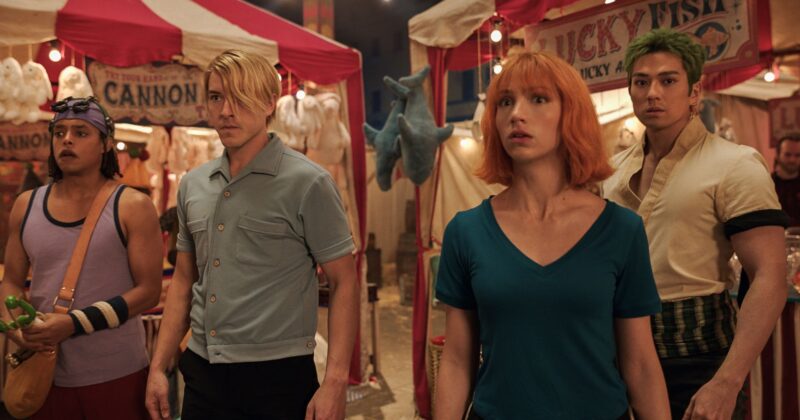
The Netflix adaptation disrupts this dynamic. Instead of letting Bartolomeo’s fascination emerge from thin air, the show places him directly in the path of Luffy and the Straw Hats in Loguetown. Viewers watch as Bartolomeo initially underestimates Luffy, only to be swept up by the Straw Hat’s inspiring beliefs and unyielding spirit. This isn’t simply about Bartolomeo witnessing Luffy’s survival; it’s about feeling Luffy’s willpower and ambition firsthand. It’s a recalibration that gives Bartolomeo agency and a nuanced emotional arc—turning an iconic side character into someone whose devotion is forged through direct, meaningful encounters.
Why This Change Resonates With the Fandom
Fans of adaptations know that modifying source material can be risky. Not every deviation lands as elegantly as this one. Netflix’s One Piece strikes a balance: it honors Oda’s original intentions while retrofitting backstory in a way that feels not only plausible, but essential. With Oda’s personal involvement in the script, the added layers to Bartolomeo’s journey don’t come across as retcon, but as if the manga creator himself is taking advantage of hindsight to strengthen the emotional threads of his epic.
Bartolomeo’s comic relief and wild devotion to Luffy play even better when grounded in direct interaction. Seeing him cower during explosive battles, absorbing Luffy’s philosophy, and being shamed for trivial ambitions before finding inspiration strikes a much truer chord. The character’s path from petty thief to Straw Hat ally is finally a narrative built on shared trials and admiration, not just a fanboy’s obsession from afar.
The Door to Future Development
This new, kinetic relationship between Bartolomeo and Luffy opens the door for his story to unfold organically across multiple seasons. It allows the writers to revisit the Barto Club’s evolution throughout the Grand Line, giving fans sustained callbacks and character development that the manga—bound by its own serialized traditions—could not always provide. For a franchise as expansive as One Piece, such thoughtful reimagining is a gift for both new viewers and long-time fans eager to see beloved characters shine in unexpected ways.
For those who want to see how Netflix’s version reinterprets and expands the pirate world, Bartolomeo’s transformation stands as a testament to the creative possibilities when adaptations get it right. It’s not about rewriting canon, but about deepening the mosaic of characters and relationships that have made One Piece a touchstone of pop culture storytelling.