How One Piece’s English Dub Finally Earned Its Redemption Through Nostalgic Casting

The Early Struggles of One Piece’s English Dub
Few anime English dubs have been as notoriously criticized as the original 4Kids Entertainment adaptation of One Piece. The dub suffered from an oversimplified and often clumsy script, excessive censorship, and heavy content cuts that diminished much of the show’s original flavor. These issues contributed to a major obstacle for the series’ international success, delaying One Piece’s rise to global prominence.
Despite these flaws, a new perspective has emerged among fans who experienced the 4Kids dub during their formative years. Rather than dismissing it outright, many now appreciate certain aspects of the adaptation, whether that’s the occasional unintentional humor or the rare gems in voice acting quality amid the challenges they faced.
A Perfect Nod to Nostalgia: The Casting of Joy Boy’s English Voice
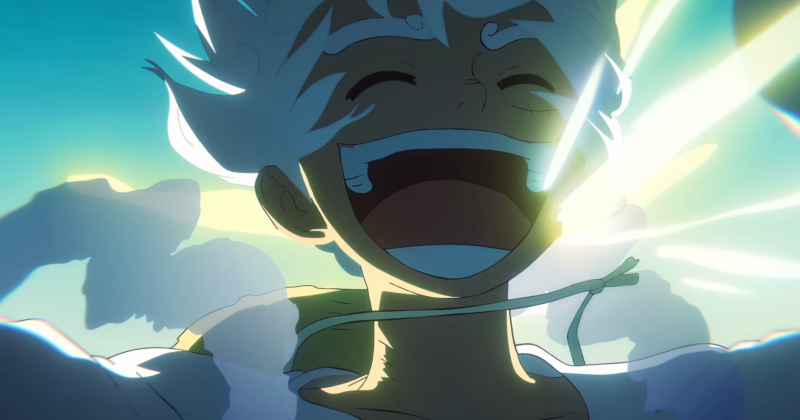
With the recent English dubbing of the Egghead arc releasing on Crunchyroll, the anime community has witnessed a particularly thoughtful casting choice that resonates deeply with longtime fans. The iconic character Joy Boy, a mysterious figure intimately linked to Monkey D. Luffy’s lineage and legacy, was voiced by Erica Schroeder — a name that carries significant nostalgic weight.
Schroeder originally voiced Luffy in the very same 4Kids dub that was originally derided but now fondly remembered. This deliberate casting choice parallels the original Japanese version, where Urara Takano, who voiced Luffy in the One Piece OVA from 1998, also provided Joy Boy’s voice. This casting strategy beautifully bridges the past and present, reinforcing thematic links between Luffy and his enigmatic predecessor, and delivering an emotional fanservice without it feeling forced.
Re-evaluating Voice Acting Amidst Dub Criticism
While the 4Kids dub remains infamous for its story and censorship issues, the voice actors involved were often underrated in discussions of its impact. Erica Schroeder’s recent performance as Joy Boy demonstrates the depth and gravitas she brought even back then. Her delivery captures the weight of Joy Boy’s historical significance and mirrors the spirit of Luffy, serving as a subtle yet potent reminder of what the 4Kids dub actually contributed in terms of voice talent.
This nuanced approach highlights an often overlooked layer of the 4Kids dub legacy: that beneath the surface of localization missteps were performances that deserved acknowledgment. Schroeder’s portrayal serves as a bridge between different generations of One Piece fans, uniting them through one voice.
The Lasting Appeal of One Piece and Its Cast
One Piece’s English adaptation journey has mirrored the broader evolution of anime localization from the late 1990s to today, showcasing advancements in respecting source material while bringing in global audiences. The recent Egghead arc dub exemplifies how modern localization can honor original themes and characters while embracing creative casting that celebrates the series’ rich history.
This revival also coincides with growing enthusiasm following the live-action adaptation, which has received positive attention for its casting and world-building. Characters like Luffy, portrayed by Mexican actor Iñaki Godoy in the Netflix series, have introduced One Piece to a fresh wave of fans, complementing the ongoing anime and manga success.
Diving Deeper into One Piece Trivia and Legacy
For enthusiasts eager to test or expand their knowledge of the One Piece universe, various interactive trivia challenges have emerged, covering everything from Devil Fruits to pivotal character backstories:
- Devil Fruits: Luffy’s unique rubber abilities come from the Gum-Gum Fruit, a cornerstone of his identity and battle style.
- Straw Hat Origins: The iconic straw hat came from Red-Haired Shanks, symbolizing a promise and the beginning of Luffy’s pirate ambitions.
- Unique Fighting Styles: Roronoa Zoro’s Three-Sword Style is an anime hallmark, blending creativity with a steep quest for mastery.
- Character Dreams: Nami’s lifelong goal to chart the entire world’s seas exemplifies the series’ broad themes of exploration and adventure.
- Marine Connections: Monkey D. Garp, Luffy’s grandfather, adds complexity to the pirate-Marine dynamic extensively explored in the story.
These details not only enrich the narrative tapestry of One Piece but also illustrate the thoughtful world-building that has captivated audiences for decades.
As One Piece continues to expand its reach through new dubbing efforts and innovative adaptations, its blend of heartfelt storytelling, memorable characters, and imaginative lore promises to resonate with existing fans and newcomers alike.