One Piece’s Bold Move: Rewriting Its Own Legacy
Netflix’s live-action adaptation of One Piece stormed onto screens with its second season, and the results are staggering: a perfect Rotten Tomatoes score and enthusiastic fan reaction signal that this is no ordinary remake. More than a direct translation, Season 2 is a high-stakes narrative experiment—one that leverages the original creator’s direct input to upgrade core storylines and fill the gaps that manga fans have debated for decades.
Major Characters Make Their Debut Years Ahead
Astute viewers quickly noticed that several iconic faces appeared well before their original manga introductions. The likes of Bartolomeo, Sabo, and Brook have found their way into the storyline years before what long-time manga readers would expect. Netflix previously experimented with this approach in season one, when Garp was introduced earlier than his canonical debut, and the gamble paid off by enriching the narrative with deeper connections early on.
What stands out this season is that Eiichiro Oda himself orchestrates these changes. His oversight ensures these tweaks aren’t just fan service—they are carefully crafted decisions to add depth, foreshadow major events, and tie the lore together in a way the manga originally couldn’t due to its serialized nature. For instance, moving Bartolomeo’s appearance to Loguetown connects directly to his future statements in the manga and visually underscores his inspiration to become a pirate—Luffy’s legendary smile on the execution platform. Sabo’s confirmed presence alongside Dragon resolves a decade-old fandom debate about his shadowy cameo in Loguetown. Brook, too, is woven into this early phase of the narrative via flashback, deepening the emotional impact of the Reverse Mountain arc and the introduction of Laboon.
A Reimagined Timeline—With Purpose
The live-action series doesn’t just spotlight fan-favorites early. It rewires One Piece’s early arcs to account for the richer backstories and world-building that Oda only developed much later. The result is a universe that feels tightly connected from the outset. Seeds are planted everywhere for both casual and hardcore fans, with subtle nods such as Roger addressing Garp as the ‘Hero of God Valley’, a blink-and-you-miss-it Sun God Nika reference in Little Garden, and even silhouettes and statues hinting at lore far beyond the current storyline.
This approach rewards sharp-eyed fans while serving as a streamlined entry point for viewers experiencing One Piece for the first time. Each arc is given weight, lore, and context that make future plot twists feel earned and inevitable—a difficult balancing act rarely pulled off in adaptations at this scale.
Faithful Yet Fresh—The Heart of the Adventure Remains
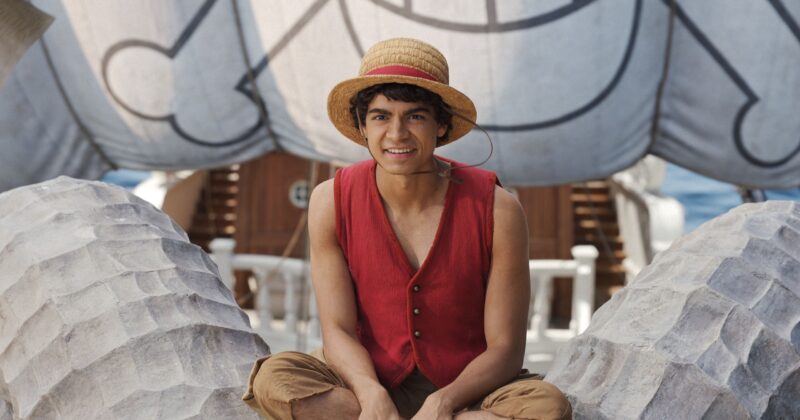
Crucially, these narrative shifts don’t undermine the original’s soul. One Piece remains the tale of Monkey D. Luffy—a young pirate whose optimism and determination inspire a mismatched crew to chase a singular dream. The ensemble cast, led by Iñaki Godoy as Luffy and Emily Rudd as Nami, excels at bringing warmth and chemistry to the screen, while the meticulous direction and writing ensure the storylines stay both accessible and intriguing.
Setting a New Standard for Live-Action Adaptations
Netflix isn’t just adapting a beloved franchise. It’s reinventing how connected universes are built for long-form, serialized storytelling. By incorporating foreshadowing, hidden references, and early debuts, the show crafts a layered experience that rivals the world-building of the best modern fantasy epics. With season 3 already in development, all eyes are on this series to see how it will continue to bridge the gap between manga legacy and new narrative ambition—while keeping both die-hard fans and newcomers excited for the next adventure.