How Prime Video’s ‘56 Days’ Reinvents the Psychological Thriller Adaptation: A Bold Break from the Book

Prime Video’s Latest Psychological Thriller Shakes Up the Rulebook
Psychological thrillers are having their moment on streaming platforms, and Prime Video’s 56 Days is leading the charge with a daring approach to adaptation. While the series draws its inspiration from Catherine Ryan Howard’s acclaimed novel, it doesn’t stick to the script—and that’s exactly why it’s turning heads across the entertainment world.
New Perspectives on a Genre Dominating Streaming
Streaming services have proven to be fertile ground for psychological thrillers, offering audiences twist-filled stories that keep them guessing. 56 Days joins the ranks of recent successes rivaling megahits like Stranger Things and Netflix’s His & Hers, but it stands out for its fearless willingness to rewrite the rules. Instead of a straightforward retelling, the show reimagines its source, delivering a fresh take that has both fans of the book and new viewers talking.
Major Changes From Page to Screen
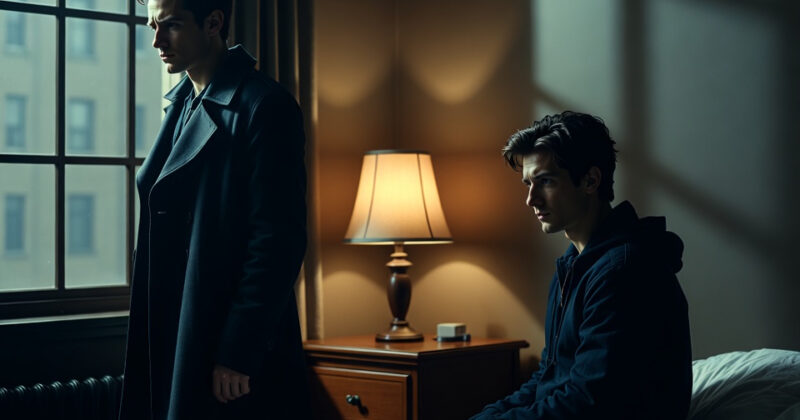
At the core of 56 Days is the intense, mysterious relationship between Ciara and Oliver, portrayed by Dove Cameron and Avan Jogia. Their whirlwind romance is abruptly darkened by the shocking discovery of a body in Oliver’s upscale apartment—a setup that is as gripping on TV as it was on the page.
However, the series departs dramatically from the novel in several ways. Gone is the Dublin setting and the COVID-era lockdown premise that justified the couple’s rapid cohabitation in the book. In the show, these elements are replaced with a sleeker, more timeless atmosphere, driven by psychological suspense rather than current events.
A Controversial, Yet Welcome, Departure in the Ending
Perhaps the boldest move is its finale. Unlike Howard’s novel, the show offers an unexpectedly optimistic outcome: Ciara and Oliver, after navigating a maze of double crosses and dark secrets, end up starting a family together. The body in the tub? It belongs to a third party, untethering the main couple from the grisly turn their story could have taken. This lighter resolution allows the series to dodge the often oppressive weight that characterizes many thrillers and makes it more approachable for viewers seeking grit without despair.
The Perennial Dilemma of Thriller Adaptations
Such major changes spark debate among fans and adaptation purists. The dilemma for showrunners is real: should they keep the original ending, risking predictability for those who loved the book? Or should they change it, possibly disappointing die-hard fans while aiming to surprise the broader audience? This is a challenge familiar from recent adaptations, like Netflix’s version of Ruth Ware’s The Woman in Cabin 10, which altered the novel’s finale to mixed results.
What Makes 56 Days Work as an Adaptation
Unlike adaptations that change only the ending, 56 Days integrates its departures throughout, resetting character motivations, historical context, and the entire emotional landscape of the story early on. This allows the new ending to feel earned and organic, rather than tacked on for shock value. By recreating the narrative’s DNA from the outset, the series manages to capture the spirit of the novel while crafting a suspense experience that stands on its own terms.
Cinematic Storytelling Designed for Today’s Viewers
The visual and tonal approach of 56 Days mirrors the high standards viewers now expect from streaming thrillers. Alethea Jones’ direction leverages mood-heavy cinematography and intricate sound design to amplify tension, drawing inspiration from both prestige TV and psychological thriller cinema. The result is a series that not only questions the boundaries of adaptation but also sets a new template for exporting storytelling suspense from page to screen.
Why This Matters for Fans and the Future of Adaptations
For those who crave fresh takes rather than rote translations, 56 Days is a case study in adaptation done right. It shows how bold creative choices—especially those that reshape source material at multiple levels—can rejuvenate a beloved genre and redefine expectations for what a streaming thriller can accomplish.