Project Hail Mary: Reinventing the Sci-Fi Hero
Project Hail Mary blasted onto the scene as a major cinematic event, capturing the attention not only of sci-fi enthusiasts but also of anyone who appreciates nuanced storytelling. Helmed by an acclaimed director and with Ryan Gosling filling the protagonist’s shoes, this adaptation of Andy Weir’s best-selling novel promised a unique space odyssey—and it certainly delivered. But what really sets Project Hail Mary apart isn’t just its gripping visuals or complex plot. It’s the way the film refreshingly upends one of science fiction’s most persistent tropes: the infallible, superhuman chosen one.
Breaking Free from the ‘Chosen Savior’ Trope
In countless science fiction stories, the central hero is so often portrayed as the one remarkable person uniquely qualified to save humanity—smarter, braver, or simply destined. Think about the archetypal journeys of characters from Star Wars or Dune. While both franchises have handled the trope with varying degrees of depth, too many films stumble into tired territory, where the protagonist’s brilliance or heroism is used as a convenient narrative shortcut instead of a genuine character journey.
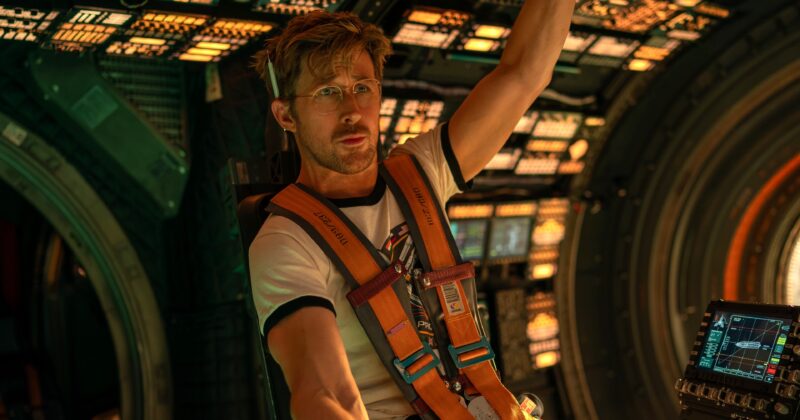
Project Hail Mary decisively breaks this mold. Gosling’s character, Ryland Grace, is plucked from everyday life not because he’s the irreplaceable genius, but because he’s available and just good enough to be put on the mission after tragedy quietly alters the roster. There’s no prophecy, no predestined greatness, and—crucially—no guarantee that Grace is even suited for the stakes he faces. He isn’t a born hero or an interstellar prodigy; rather, he’s a deeply flawed, sometimes reluctant scientist who must battle his own insecurities and doubts in the relentless isolation of space.
The Human Element: Out of Depth, Full of Heart
Ryland Grace only finds himself leading the mission after the original candidate’s sudden death—an accident that snatches him from his previous life and thrusts him unwillingly into the spotlight. Initially, he refuses to take on the world-saving task, and his eventual acceptance isn’t painted as glorious self-sacrifice. It’s messy, human, and all the more compelling for its lack of polish. This makes for a protagonist who is relatable in his limitations and absolutely believable as a would-be savior—one whose victories feel earned and whose mistakes carry real weight.
Even more fascinating is the depiction of teamwork at the cosmic scale. The alliance with Rocky, an utterly alien yet profoundly sympathetic being, transforms the film’s narrative backbone. Instead of pitting human intellect as superior, Project Hail Mary lets both Grace and Rocky showcase strengths—and vulnerabilities—serving as reflections of each other’s limits and growth. Their cooperation and mutual respect emphasize the value of shared struggle and learning, smashing the myth of the solitary genius in space.
Redefining the Sci-Fi Epic with Authentic Character Growth
The emotional resonance of Project Hail Mary is rooted in Grace’s ordinary heroism. He is, by his own admission, not prepared for cosmic heroics or self-sacrifice. Finding himself stranded, haunted by failure, and drawn into terror, he forms an unexpected and heartfelt friendship with Rocky, a character whose stone-like exterior houses an abundance of warmth and intelligence. Their bond, rather than Grace’s expertise, is the film’s guiding star.
Crucially, the film’s climax does not hinge on destiny but on choice. Grace elects to risk everything to save Rocky and his home planet — not because he is humanity’s chosen champion, but because he has grown into someone capable of compassion and change. This subversion lands with powerful impact, highlighting how extraordinary circumstances can forge unlikely heroes, and how true strength is often measured by our willingness to step beyond our comfort zones for others.
Project Hail Mary and the Future of Sci-Fi Storytelling
By methodically overturning the standard narrative beats of the genre, Project Hail Mary not only provides exhilarating entertainment but charts a new course for science fiction cinema. There’s action, laughter, and tension—but above all, there is an acute understanding that every heroic feat is born of uncertainty and vulnerability. The story resonates by reminding us that sometimes, the greatest hope for our world—or another—lies with someone utterly unprepared for the task.