The Fast & The Furious: From Street Racing to Global Blockbuster
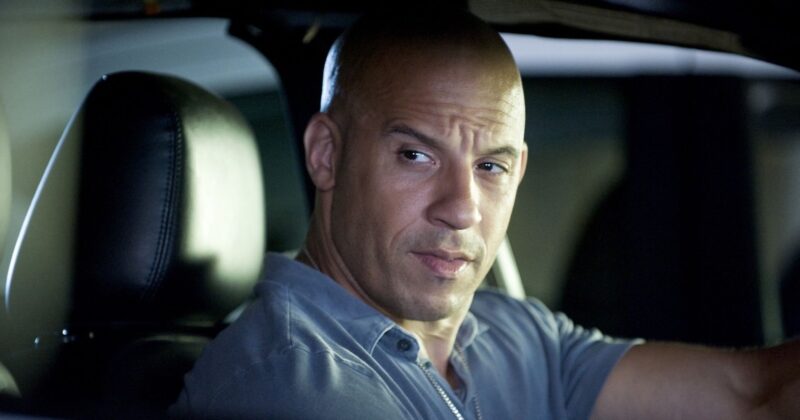
The Fast & The Furious series has traveled a remarkable distance since its debut, becoming one of the most recognizable action franchises in cinema. What started as a gritty street-racing drama starring Vin Diesel as Dominic Toretto and Paul Walker as Brian O’Conner has evolved into a globe-trotting, stunt-driven spectacle loved by millions worldwide.
Different Eras, Different Genres
To appreciate the franchise fully, watching the films in release order reveals how the series morphed through distinct creative eras. The early entries—The Fast and the Furious, 2 Fast 2 Furious, and Tokyo Drift—were anchored in the world of illicit street racing and undercover drama. The stakes felt personal, and the action, while intense, stayed grounded within the laws of physics.
With Fast & Furious and especially Fast Five, the tone shifted irreversibly. The franchise leaned into more audacious action, toppling trucks with muscle cars and orchestrating heists across Rio. By Fast & Furious 6 and the breathtaking scenes of Furious 7, the series was operating on a level somewhere between espionage action and superhero blockbuster, routinely defying the limits of what cars—or even gravity—could do.
The Expanding Fast Family
Central to the films’ appeal is the evolution of the cast and their relationships. While Dominic and Brian’s chemistry anchored the early entries, the team steadily expanded with memorable figures: Michelle Rodriguez‘s Letty, Tyrese Gibson‘s Roman, and Ludacris as Tej, among others. The saga further broadened as Dwayne Johnson brought Luke Hobbs into the fold, and Jason Statham joined as Deckard Shaw—both characters eventually earning their own spin-offs, like the action-packed Hobbs & Shaw.
The timeline twists itself uniquely with Tokyo Drift. Though third in release, its events fit later in the chronology, between Fast & Furious 6 and Furious 7, heightening the experience when viewed in series order. These jumps and cameos capture the experimental spirit that keeps long-time fans invested, sometimes welcoming new audience members with each new character reveal.
Technological Spectacle Meets Emotional Anchor
As the saga transitioned through its high-octane set pieces—vaults dragged through city streets, tanks plowing down highways, even a sequence launching cars into space—the technology on and offscreen advanced in tandem. Practical effects melded with groundbreaking digital effects to produce ever more mind-blowing stunts, helping shape the visual language of modern blockbuster action.
The films balanced bombast with heartfelt moments, none more poignant than the sendoff for Paul Walker in Furious 7. Walker’s loss reshaped the tone, giving the previously focus on family an even deeper resonance, evident in plot points and character arcs moving forward.
Fast Saga in Other Media
The legacy extends beyond film. Fast & Furious Crossroads brings chase sequences to gaming, while tie-in appearances—like the dedicated expansion in Forza Horizon 2 Presents Fast & Furious—let fans experience the signature action firsthand. The cast and characters have become icons, fueling collectibles, comics, and digital experiences.
Looking Ahead: The Road Continues
With the saga approaching its final lap, anticipation builds for how the final installment, Fast Forever, will tie together two decades of adrenaline, loyalty, and spectacle. Whether new fans or veterans of every nitrous-fueled adventure, revisiting the saga now not only entertains but spotlights just how fundamentally the franchise—and blockbuster cinema—has transformed over time.