The Unexpected Legacy of Schumacher’s Batman for Animation
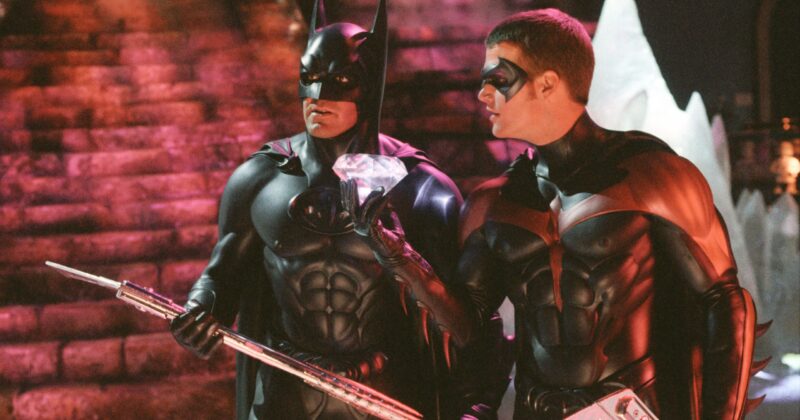
Few film adaptations of Batman have incited stronger debate than Joel Schumacher’s colorful interpretations of Gotham’s brooding protector. While Batman Forever and Batman & Robin are frequently cited as the most criticized movies in the franchise, these films played a crucial—if unlikely—role in shaping one of the greatest animated takes on the Dark Knight: The New Batman Adventures.
From Cinematic Outcast to Animated Inspiration
What set Schumacher’s movies apart wasn’t just their neon-lit sets or unapologetic use of camp. Their bold, flamboyant vision for Gotham pushed the boundaries of what a Batman story could look and feel like on screen. While this style didn’t win over film audiences, it carved out creative space for the animated world. Enter The New Batman Adventures, which adopted (and elevated) the flair and energy Schumacher brought, translating it into a unique visual and narrative tone that felt fresh for animated superhero television.
Building on the critical and fan acclaim of Batman: The Animated Series, The New Batman Adventures reimagined Batman’s world with sharper animation, slicker character designs, and a slightly more stylized visual flair. Many villains received dramatic redesigns, echoing the exaggerated production design from Schumacher’s live-action approach. While the show avoided the movies’ full embrace of camp, it wasn’t afraid to embrace the bizarre and playful edge inherent to comic book storytelling.
Redefining Darkness: A Contrasting Gotham
One of the most compelling aspects of The New Batman Adventures is how it balances tonal contrast. Where the movies sometimes floundered by being over-the-top within a short runtime, the series took advantage of episodic storytelling. The show spotlighted Gotham’s supporting cast—Batgirl, Robin, Nightwing, and more—while giving villains rich narratives that extended beyond simple villain-of-the-week showdowns. This approach allowed for deep dives into psychological darkness and emotional complexity, something few animated superhero adaptations had attempted this boldly before.
Episodes such as ‘Over the Edge’ are a testament to this maturity: Batgirl’s shocking fate, Batman’s raw grief, and the city’s collapse—until a dramatic reality-bending twist—pushed what audiences expected from so-called ‘kids’ animation. Other character arcs, including Dick Grayson’s evolution into Nightwing, tackled themes of abandonment, obsession, and personal independence. Even villain designs, like the haunting new look for Scarecrow, amplified the darker undercurrents that now defined Gotham’s world.
Winking at the Past: Schumacher’s Enduring Influence
The New Batman Adventures stood out not just for its bold new direction, but for its self-awareness. The series cleverly nodded to its cinematic predecessors in episodes like ‘Legends of the Dark Knight’, where a character named ‘Joel’—sporting the director’s signature blonde mane—imagines a Batman who fights crime in tight rubber armor and races up vertical city walls. These are loving, tongue-in-cheek references to the exact kind of spectacle Schumacher championed on the big screen.
This playful recognition underscores a wider truth: every reinvention of Batman, whether celebrated or maligned, becomes part of the mythos. In acknowledging Schumacher’s influence—both directly and through the show’s stylistic evolution—The New Batman Adventures affirms that the Dark Knight’s legacy thrives on contrasts, experimentation, and creative risk-taking.
The Timeless Appeal of Animated Gotham
With a production team that included industry icons like Dan Riba and Butch Lukic, and writers renowned for their work in genre animation, the show elevated Batman on television. Its impact endures, inspiring new generations to revisit animated Gotham—not just for nostalgia, but for how it dares to innovate using the DNA of even the most controversial cinematic chapters.
From celebrated episodes to daring redesigns, The New Batman Adventures is a case study in how bold creative shifts—no matter how polarizing on release—can transform into timeless icons for TV, comics, and pop culture alike.