The Age of Concise Storytelling: A New Dawn for Anime
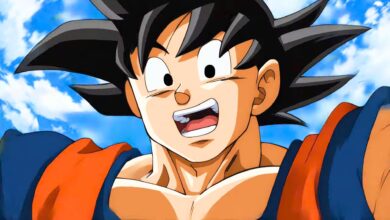
Anime is experiencing a seismic transformation, redefining how audiences engage with the medium. Gone are the days when legendary sagas like One Piece or Dragon Ball ruled television with non-stop, years-long episode runs. Today, a new wave of anime breaks from tradition, championing focused, high-quality seasons that favor narrative precision over sheer length.
Why Shorter Anime Seasons Work
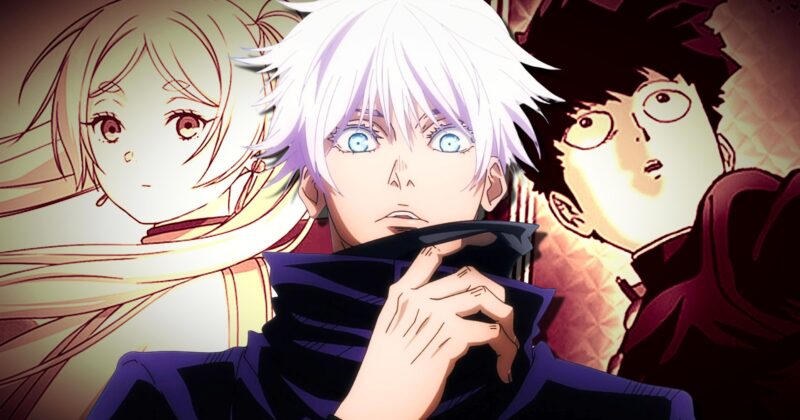
Series like Jujutsu Kaisen and Frieren: Beyond Journey’s End exemplify the power of condensed storytelling. Typically, current hit anime seasons run just 10 to 12 episodes, allowing studios to invest more resources into every frame. Animators can polish every action sequence, elevate visual effects, and control narrative pacing without filler arcs—historically a plague on long-format shows. The result: each episode feels substantial, with storylines that keep audiences fully engaged from the opening to the finale.
Accessibility and Global Appeal
Shorter seasons have also opened anime to a broader audience. A 12-episode series is much less intimidating than a backlog of hundreds. New viewers can join trending conversations and experience top-tier animation without months of binge-watching. This shift directly supports anime’s explosive popularity in Western markets and on international streaming platforms.
Industry Evolution: From Marathon to Sprint
Classic long-running anime shaped generations, but this format put relentless demands on both creative and production teams. Weekly deadlines led to inconsistent animation and even burnout among artists. The adoption of seasonal formats—often broken into tighter, more manageable arcs called cours—has significantly improved workplace sustainability and the final on-screen result.
Streaming platforms like Crunchyroll, Netflix, or Disney+ have also changed viewing habits. Fans now prefer to binge tightly constructed seasons, elevating the momentum around every release. This method turns every new drop into an online event, giving anime studios ample opportunity to create viral impact beyond Japan.
The Movie-Anime Crossover: Expanding Storytelling Horizons
One fascinating side effect of this change is the merging of seasonal anime and theatrical films. In the past, anime movies were mere spin-offs, fun but never fully essential. That’s no longer true. Franchises like Demon Slayer strategically use blockbuster films to bridge or conclude major TV arcs. The Infinity Castle film project, for instance, is orchestrating a trilogy that delivers cinematic spectacle and core story resolution once relegated to dozens of weekly episodes.
This cross-pollination between TV and film allows creators to play with scale and pacing like never before. Studios can switch between intimate seasonal arcs and grand finales, maintaining consistent quality and leaving fans anticipating the next creative leap—whether that’s a streaming release or a theatrical premiere.
What Fans Gain—and Lose
This revolution hasn’t pleased every longstanding fan. The era of weekly episodes brought a familiar rhythm and a sense of growing old with beloved characters. Concerns linger over the longer waits between new seasons and the potential evaporation of the never-ending adventure vibe that made older franchises iconic. Still, the shift is redefining what it means to follow an anime, with anticipation now fueling community excitement instead of endless weekly content.
Anime’s Bold New Era
Today, anime’s creative direction is dictated not just by tradition but by the needs of artists, the realities of modern media consumption, and the hunger for top-notch narratives. As studios worldwide embrace short-season storytelling, the balance between quality, accessibility, and sustainability emerges as the golden formula. For fans and creators alike, this marks a thrilling new chapter, promising stories that are sharper, worlds that are richer, and experiences that are more unforgettable than ever.