From the Galaxy Far, Far Away: Kelly Marie Tran’s Unlikely Rise
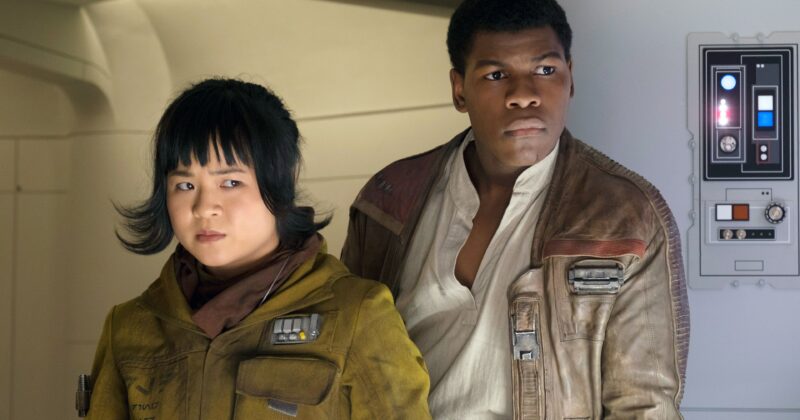
There’s a unique legacy that Star Wars: The Last Jedi carries in pop culture. Among exhilarating space battles and force-wielding showdowns, the film ignited heated debates within the fandom, but for Kelly Marie Tran, it became the launchpad of an extraordinary career journey. As Rose Tico, Tran epitomized a new kind of Star Wars hero—one marked by tenacity, heart, and hope. Facing peril alongside Finn (John Boyega) and staking her claim during the dramatic Battle of Crait, Rose’s story went beyond the screen, deeply impacting the actress’s trajectory in Hollywood.
The Breakout Effect: Opportunities Beyond Star Wars
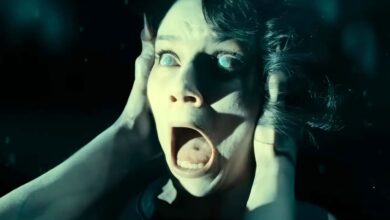
In the wake of The Last Jedi, Tran’s filmography evolved with refreshing diversity. She brought her voice to Disney’s ambitious animated project Raya and the Last Dragon, joined the spirited prehistory of The Croods: A New Age, and shone in the acclaimed series Sorry for Your Loss alongside Elizabeth Olsen. Notable too is her leap into romantic comedy via the remake of The Wedding Banquet and a bold new horror chapter with Rock Springs, showcased at the Sundance Film Festival.
An Industry Transformed: Mentorship and Creative Agency
Tran’s recent interview reflected on how her Star Wars experience, particularly under the direction of Rian Johnson, provided invaluable mentorship. She highlighted the surreal luxury now of choosing projects—an opportunity few in Hollywood, especially actors of color, have enjoyed historically. Her gratitude for the chance to be selective is palpable, but it’s matched by a deeper mission towards purpose and authenticity in her work.
What began with a studio blockbuster has transformed into a deep appreciation for independent film and a determination to work on projects that resonate with her identity. Tran notes the shift that comes from collaborating with Asian and queer creatives like Vera Miao (director of Rock Springs) and Heyjin Jun (Director of Photography). Witnessing inclusive leadership on set, she says, is genuinely shifting her perception of what’s possible both for herself and for underrepresented creators everywhere.
Healing Through Art: Embracing Identity and Representation
The toxic fallout that followed The Last Jedi wasn’t just about polarizing story choices; Tran endured a barrage of racist abuse online. Rather than retreat, she has channeled these experiences into a celebration of her identity, finding healing through storytelling and collective empowerment. She openly credits her collaborations with Asian filmmakers and women-led teams for expanding her creative horizons and nurturing personal growth.
This new era for Tran is about authenticity: making art with people who are invested in telling stories from personal perspectives, even when it means breaking away from tried-and-true Hollywood formulas. As she puts it, while traditional structures like the three-act arc have their place (‘always save the cat,’ she jokes), the most powerful art comes from those bold enough to flip the script and center marginalized voices.
Tran’s Imprint on Genre Cinema and the Star Wars Universe
Her latest horror project, Rock Springs, has opened with solid praise, currently holding a 75% approval rating on Rotten Tomatoes as critics highlight Tran’s magnetic leading presence. Her growing reputation in the horror genre, boosted by her roles in projects like Hulu’s Control Freak, signals an exciting turn that keeps fans and critics alike curious for what’s next.
Interestingly, Tran hasn’t entirely stepped away from the galaxy that introduced her to the world. She’s returned to voice Rose in playful projects like The LEGO Star Wars Holiday Special and LEGO Star Wars Summer Vacation, even taking on the mantle of Darth Rose Tico in Star Wars: Rebuild the Galaxy. Rumors swirl about her potential live-action return, especially as new films chart stories beyond the most recent trilogy’s events. Whether or not these rumors materialize, Kelly Marie Tran’s artistic path provides inspiration—a testament to the doors that can open when even the most controversial films bring new voices to center stage.