How SyFy’s Chucky Series Resurrected the Child’s Play Franchise with a Perfect Blend of Horror and Heart

Chucky: The Slasher Icon Who Needed a Second Act
When it comes to horror legends, Chucky stands shoulder-to-shoulder with the heavyweights—Freddy Krueger, Michael Myers, and Ghostface. Yet, despite being a pop culture fixture, the Child’s Play franchise long existed in a strange limbo. Fans embraced the chaos of a killer doll, but critics were often less enchanted. Even the original film, celebrated for its originality and twisted charm, only garnered a modest critical response. As sequel after sequel rolled out, the reviews swung wildly between mild appreciation and outright derision. Films like Bride of Chucky eventually found cult love, but others—Seed of Chucky, in particular—were met with groans rather than cheers.
Why Chucky’s TV Return Was a Game Changer
The narrative shifted dramatically when the character found a new home on SyFy. With three seasons under its belt and a near-flawless Rotten Tomatoes score, the latest incarnation of Chucky isn’t just a revival—it’s a reinvention. What sets this series apart is its unwavering commitment to the franchise’s creative roots, thanks to original creator Don Mancini returning as showrunner, writer, and director. This isn’t a reboot that wipes the slate clean; it’s a loving continuation, fully embracing decades of lore, supernatural hijinks, and razor-edged wit.
The Balancing Act: Horror, Camp, and Sincerity
Part of the magic here lies in tone. Bride of Chucky excelled by leaning into dark comedy and self-aware absurdity, while Cult of Chucky found success with a bleak, almost nihilistic approach to horror. The TV series strikes an equilibrium between the franchise’s extremes, deftly blending outrageous kills and black humor with poignant stories about growing up, trauma, and identity. This tonal dexterity is no easy feat—the franchise has faltered before when leaning too hard in either direction—but the show draws out both tension and empathy, a rare combination in horror television.
Smart Risk-Taking with Storytelling
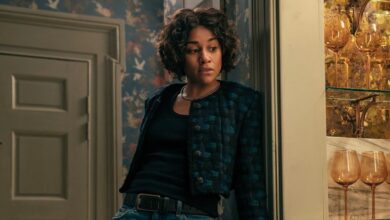
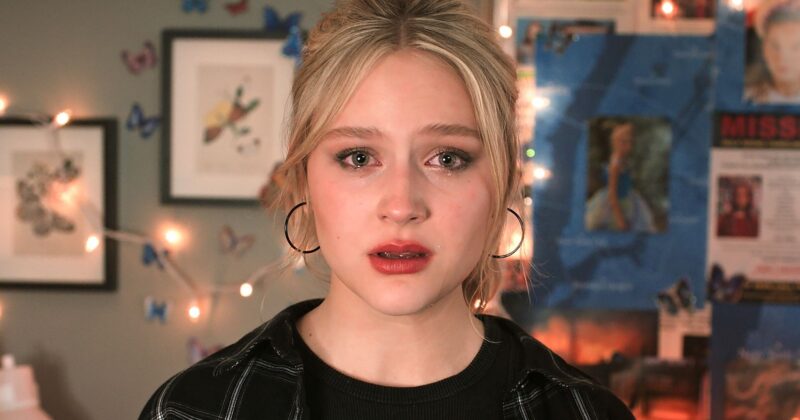
What makes this series stand out in a crowded genre isn’t just its willingness to be gory or campy. It’s the way Mancini weaves timely, character-driven subplots throughout a story that never loses sight of its twisted heart. Chucky remains the centerpiece, delivered with menacing glee by Brad Dourif, but the new protagonists—like Jake Wheeler, played by Zackary Arthur—face real-world challenges with nuance and vulnerability. These aren’t just victims waiting to be picked off; they’re fully realized characters living through grief, discovering their sexual identity, and navigating family dysfunction, all while a malevolent doll threatens to upend their lives.
Critical Praise and Cultural Relevance
It’s not every day that a slasher franchise, known for its splatter and schlock, becomes a critical darling. But the Chucky series achieved just that, with each season earning widespread praise for inventive storytelling and social commentary. The show deftly addresses puberty, sexuality, abuse, and generational trauma with a sophistication that elevates it beyond genre trappings. At the same time, it never forgets its roots: the show is loaded with inventive kills, wild set-pieces, and a wicked sense of humor that rewards long-time fans.
A Franchise Transformed, Not Forgotten
After years of creative missteps and commercially lukewarm entries, Chucky’s televised resurrection proves how horror can evolve when a franchise embraces both tradition and innovation. The decision to center longstanding creators and revisit complex themes ensured that the character of Chucky isn’t just surviving—he’s thriving. With momentum from its latest season, the series demonstrates that horror icons can succeed in modern storytelling, provided they’re given room to grow and cackle in equal measure.