The Evolution of the Sitcom: From I Love Lucy to The Nanny
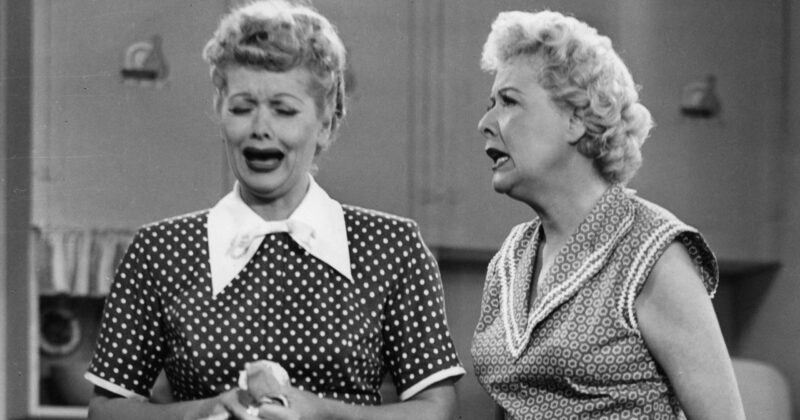
When discussing TV history, it’s impossible to ignore the monumental influence of I Love Lucy. This foundational sitcom, originally inspired by the radio hit My Favorite Husband, transformed the television landscape with its ensemble cast, pioneering comedic rhythm, and the unforgettable energy of Lucille Ball as Lucy Ricardo. The antics of a showbiz-hungry housewife tripping over her own schemes made Lucy one of the most iconic characters to ever hit the small screen. Yet, as times changed, so did sitcom sensibilities—and, decades later, another show would inherit this comedic crown: The Nanny.
Why The Nanny Is the Spiritual Successor to I Love Lucy
The Nanny, created by Fran Drescher and Peter Marc Jacobson, launched an entirely new era for family comedy while deftly honoring the DNA of sitcom classics. Fran Fine, the boisterous and fashion-forward protagonist from Queens, quickly established herself as television’s modern answer to Lucy Ricardo. Her accidental job hunt leading to the elegant doorsteps of the Sheffield mansion mirrored Lucy’s frequent stumbles into trouble—with equally hilarious, self-inflicted chaos soon to follow.
The secret sauce wasn’t just in the narrative setup, but in the execution: Drescher’s brilliant comic timing, her unmistakable voice, and her explosive facial expressions all paid playful homage to Lucille Ball’s performances. Both shows thrived on the will-they-won’t-they tension between their central couples, but The Nanny carved its own path through a blend of razor-sharp dialogue, a memorable supporting cast (especially the quippy exchanges between Niles and C.C. Babcock), and a quirky, vibrant take on the sitcom family structure.
The Pop Culture Impact of The Nanny
Standing out in the golden age of ’90s TV wasn’t easy. Yet The Nanny became an immediate phenomenon—embracing a comedic style that balanced New York brashness with universal warmth. Fran Fine’s fashion choices set trends and became a visual language for a generation. Running gags, from Niles’ never-ending banter to Fran’s love of all things flashy, gave the show an instantly recognizable flavor. The frequent references to cultural touchstones—everything from Broadway to celebrity gossip—cemented The Nanny’s reputation as a show deeply attuned to the pop pulse of its time.
The success of The Nanny propelled Fran Drescher into the upper echelons of entertainment, ultimately helping her become a trailblazer beyond acting (including her work as president of the SAG-AFTRA union). More surprisingly, the show’s universal themes of family, aspiration, and love allowed it to cross language barriers, inspiring international adaptations from Mexico to Turkey—each capturing the original’s charming spirit but with an added local twist.
Why There Never Needed to Be a Revival
In an era ruled by revivals and nostalgia-driven reboots, one might expect The Nanny to resurface. While reunion specials and live table reads have scratched the nostalgia itch for devoted fans, talk of an official reboot has never led to tangible plans. In reality, The Nanny achieved what few sitcoms manage: a consistently high level of quality, an organic and satisfying ending, and a legacy that doesn’t require modern embellishment. Its comedic voice and narrative closure stand untouched, resisting the temptation of a 21st-century makeover.
Much like it took time for a show to capture the magic of I Love Lucy, the unique blend of style, humor, character depth, and cultural relevance that defines The Nanny will be hard to match for years to come. The show’s vibrant legacy lives on, as a reference point for sitcom writers and a touchstone for TV fans craving smart, heartfelt, and riotous comedy.