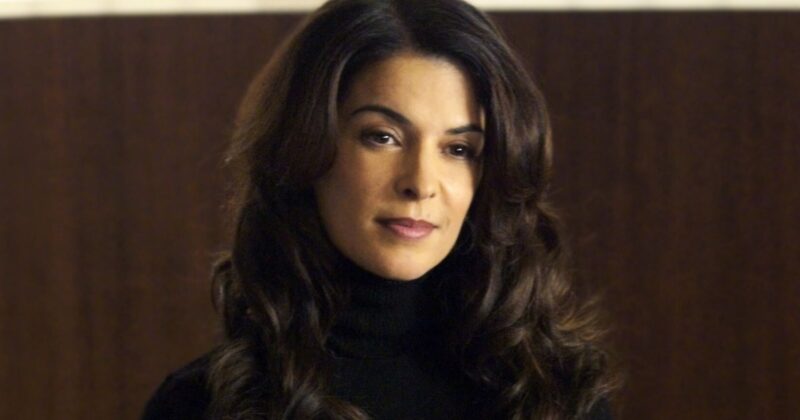
The Sopranos: The Crime Thriller That Changed Everything
When The Sopranos debuted on HBO, it didn’t just elevate a cable network—it revolutionized the very DNA of television. With stunning cinematography, complex characters, and unapologetic storytelling, David Chase’s mob drama brought an auteur sensibility previously reserved for cinema into the heart of serialized TV. From its first episode, The Sopranos established a new benchmark for what the medium could achieve—both visually and narratively.
The Birth of the Prestige Era: Movies vs. Television
Before Tony Soprano’s debut, television was mostly seen as inferior to film, its characters painted with broad strokes and predictable morals. The Sopranos inverted all expectations: Tony, a mob boss, was not merely a villain but a multi-faceted antihero—a father, a husband, and a patient wrestling with anxiety and self-doubt. The show’s commitment to psychological nuance, especially in its exploration of mental health and therapy, marked it as a deep character study unlike anything else on TV at the time.
Character Depth: The Rise of the Antihero
Unlike the traditional law-abiding heroes of decades past, Tony Soprano made it possible for TV protagonists to be deeply flawed, morally ambiguous, and, crucially, relatable. His struggles with family dysfunction and personal demons resonated with millions, challenging audiences to empathize with someone inhabiting both darkness and humanity. This shift in character construction became the blueprint for an era of television antiheroes.
Legacy: The Sopranos and the Golden Age of TV
The impact of The Sopranos was seismic. It set a standard that every crime and drama series aspired to, leading to the Golden Age of Television. Prestige dramas, from The Wire to Breaking Bad, Mad Men to Dexter, all owe a debt to the storytelling style The Sopranos pioneered. Vince Gilligan, creator of Breaking Bad, openly acknowledges that his iconic series was made possible by the foundations laid in New Jersey’s mob world.
The New Blueprint: Antiheroes in Every Genre
After Tony’s debut, antiheroes became the secret weapon of TV drama. Shows like House, M.D. and Succession proved that the formula worked even beyond crime. The protagonist didn’t have to be likable—just fascinating. This narrative choice shifted the TV landscape, keeping viewers hooked on morally complex individuals whether they wore lab coats or wielded power in high-finance boardrooms.
The Influence Endures: Beyond Crime, Beyond HBO
Even as the content landscape shifts toward rapid-fire streaming releases, the echoes of The Sopranos remain unmistakable. Series continue to be measured against its ambitious storytelling, intricate world-building, and unvarnished approach to flawed characters. The appetite for deep, serialized narratives full of tension, depth, and surprise can be traced straight back to Tony Soprano’s ducks in his backyard and the therapy sessions that dared to ask what made a mobster human.
The Directors, Writers, and the Art Behind the Legacy
The Sopranos was crafted by a powerhouse team—including directors like Tim Van Patten, Steve Buscemi, and Alan Taylor, and writers such as Michael Imperioli and David Chase himself. This creative force delivered a viewing experience that felt cinematic yet intimate—a style that prestige drama continues to chase to this day. The cast, led by the magnetic James Gandolfini and supported by Edie Falco, turned fictional lives into cultural touchstones with raw, unforgettable performances.
The network’s gamble on such bold content paid off—not only transforming its own identity but pushing the entire industry toward riskier, more sophisticated programming. For fans of storytelling—whether mob stories, tense procedurals, or psychological dramas—The Sopranos remains the bar to beat in 2026.