‘The Ugly Stepsister’: A New Standard for Disney Horror Adaptations
Fairy tales have long been part of Disney’s DNA, but the recent trend of turning these classic stories into horror experiences has mostly led to disappointment—until the release of The Ugly Stepsister. Breaking away from shallow scares and predictable tropes, this film managed to capture critical acclaim and an Oscar nomination, a rare achievement for horror in the context of Disney reinterpretations.
A Daring Shift: Retelling Cinderella from the Shadows
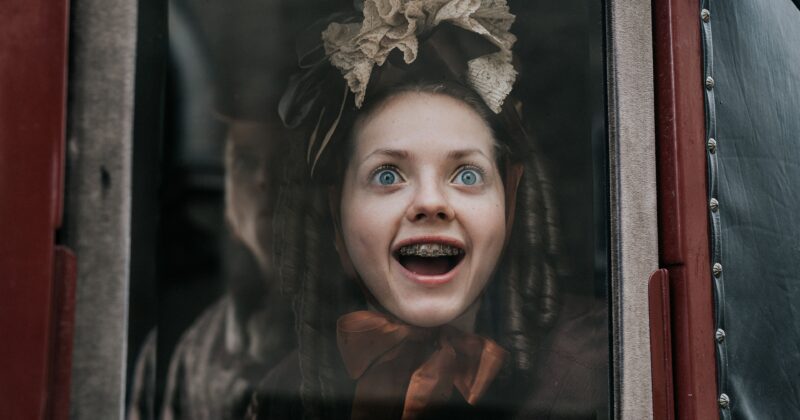
Directed by Emilie Blichfeldt, The Ugly Stepsister takes inspiration from the Brothers Grimm version of Cinderella, flipping the narrative to focus on Elvira, one of the so-called «villains.» This bold retelling fully embraces psychological and body horror, exploring the twisted ambitions and deep insecurities that pervade Elvira’s world. The plot isn’t just a simple rehash of the fairy tale—it’s an uncompromising look at beauty standards, social power plays, and the murky line between victim and antagonist.
After her mother Rebekka marries into a new family, Elvira’s life spirals into a toxic competition for acceptance, with dreams of winning over Prince Julian. Parental abuse manifests through primitive and graphic attempts at plastic surgery, punctuating the movie with unsettling yet purposeful body horror. As the story follows Elvira’s painful transformation, it also provides rare insight into Cinderella’s backstory—reshaping audience perceptions of who is worthy of empathy or criticism.
Character Depth and Social Commentary: Lessons for Future Remakes
Unlike most horror reimaginings of Disney tales that rely on gore and jump scares, The Ugly Stepsister invests deeply in character development. The psychological torment haunting Elvira proves far more compelling than any physical threat, making the horror feel earned rather than gratuitous. This approach stands in stark contrast to other attempts in the genre, like «Peter Pan’s Neverland Nightmare» and «Bambi: The Reckoning,» which failed to deliver coherent narratives and emotional resonance. Instead, The Ugly Stepsister strikes a nerve with its incisive critique of beauty and status, all while maintaining the core spirit of the original tale.
The film’s blend of horror and drama also brings forward some of the most haunting performances of recent years. Lea Mathilde Skar-Myren delivers a powerful portrayal of Elvira—balancing raw vulnerability with a sense of menace. The dynamic between Elvira, her mother (Ane Dahl Torp), and rival Agnes (Thea Sofie Loch Næss) forms the movie’s emotional backbone, providing complex motivations and relationships usually absent from horror remakes.
Oscar Recognition: A Landmark Moment for Horror
The Ugly Stepsister’s nomination for Best Makeup and Hairstyling at the 2026 Academy Awards is monumental in the context of genre filmmaking. Horror has rarely been acknowledged by the Oscars, especially adaptations of properties traditionally marketed to families. The film’s makeup effects don’t just shock—they reveal character and push the narrative, a quality that clearly resonated with both critics and award bodies. This year, horror is making waves beyond genre circles, with not just The Ugly Stepsister but also high-profile titles like «Weapons» and «Sinners» garnering awards attention.
This recognition signals a growing respect for horror that innovates while engaging with popular mythology, potentially opening doors for more intelligent, socially aware entries into the canon of fairy tale reimaginings.
Why ‘The Ugly Stepsister’ Succeeds Where Others Fail
The film’s strength lies in its commitment to both narrative depth and genre conventions. The horror elements aren’t just tacked on—they arise organically from the plot and characters’ psychological distress. The Ugly Stepsister keeps the core themes of ambition, envy, and transformation, but filters them through an adult, contemporary lens that resonates with today’s audiences steeped in ongoing cultural conversations about representation, trauma, and agency.
If there’s a lesson for creators eyeing the next big Disney horror remake, it’s this: storytelling and character matter as much as shock and spectacle. Subversive retellings should challenge perceptions, not simply capitalize on nostalgia or notoriety. For those who love smart, beautifully crafted horror—a genre too often dismissed by the mainstream—The Ugly Stepsister presents a striking model of how far these tales can be transformed, both artistically and critically.