The Walking Dead: The Groundbreaker That Paved the Way for Modern Zombie Stories
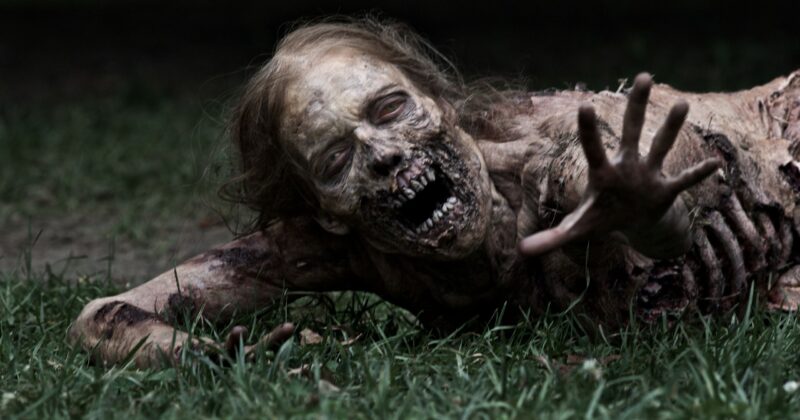
When The Walking Dead first hit AMC, it didn’t just revive the zombie genre for television—it completely transformed it. Adapted from Robert Kirkman’s iconic comic series, the show drew millions into its bleak, tension-filled world, making the apocalypse almost a household staple. While it wasn’t the first series to explore undead terror, its impact made zombies relatable, tragic, and terrifying in equal measure. The show achieved what most genre entries only dream of: it collided raw survival with deeply human stories, moving well beyond anything resembling a mindless undead drama.
Its fidelity to the comics—at least for much of its run—helped it gain a loyal fanbase. The quality storytelling and character complexity let the series slice through mainstream pop culture, allowing audiences that might have previously dismissed horror to invest in the intricate lives of Rick Grimes and his ever-changing family.
The Last of Us: The Successor Raising the Bar
Out of this fertile ground emerged The Last of Us, HBO’s gripping adaptation of the critically acclaimed PlayStation game. Premiering to broad acclaim, The Last of Us didn’t shy away from drawing comparisons to The Walking Dead. However, its approach to post-apocalyptic drama was strikingly fresh. Where The Walking Dead sometimes faltered in its later seasons, straying from source material and frustrating longtime viewers, The Last of Us thrived on its laser focus and emotional conviction.
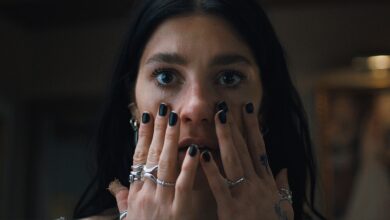
Led by unforgettable performances from Pedro Pascal and Bella Ramsey, the series painted its own portrait of trauma, hope, and the price of survival. Drawing on a decade of TV evolution, The Last of Us pushed boundaries with cinematic storytelling and production values that rival any big-budget film.
Zombie Shows: When Inspiration Comes Full Circle
Whether you’re a comic purist, a survival drama devotee, or a gamer, the genre’s brightest shows all find themselves in dialogue with one another. And just as The Last of Us absorbed the lessons of its forerunner, something remarkable happened: The Walking Dead started looking in the mirror and seeing its own influence reflected—and then refracted—by its successor.
This became most evident with The Walking Dead: Daryl Dixon. Suddenly, all eyes were on France, where Norman Reedus’s rugged tracker unexpectedly landed and became guardian to Laurent, a boy believed to hold hope for humanity’s future. Sound familiar? The echoes of Ellie and Joel’s journey in The Last of Us were unmistakable. Yet, rather than merely imitate, Daryl Dixon brought its own flavor, blending the found-family themes fans love with fresh European settings and existential questions.
Why The Last of Us Feels Like the New Standard
The Walking Dead’s influence on TV is undeniable—after all, it was the first true phenomenon of the genre. But as years passed and spinoffs multiplied, the cracks began to show. Shifts away from original comic storylines left some fans cold, and critical momentum slowed. By contrast, The Last of Us stayed laser-focused, honoring its gaming roots while elevating the raw emotional journey that had defined the PlayStation experience.
Production values soared on HBO, scenes crackled with lived-in realism, and the emotional stakes felt immediate and personal. The exploration of relationships, trauma, and survival felt more constant and deliberate—proof of a creative team synthesizing a decade’s worth of lessons from the genre at large.
A Genre in Dialogue: The Walking Dead, The Last of Us, and What Comes Next
Instead of rivalry, there’s now a fascinating cycle of inspiration. The Walking Dead may have opened the gates, but shows like The Last of Us keep expanding what’s possible, raising standards, and introducing new audiences to the undead apocalypse. The result is a landscape where stories of loss, hope, and survival have room to evolve—and where the next big leap is always just beyond the horizon.