The Pressure of Sequel Fidelity in a Modern Franchise
Returning to Berk has never felt more pivotal. With the upcoming live-action adaptation of How to Train Your Dragon 2, the creative team faces the unique challenge of balancing beloved nostalgia with bold, new storytelling. After the impressive box office and cultural impact of the first live-action adaptation, every detail—from the sweeping Icelandic vistas to the chemistry between Hiccup and Toothless—has sparked scrutiny, making fidelity to the source material more crucial than ever.
Returning Talent and Familiar Faces: Reuniting the Dragon Family
Original writer-director Dean DeBlois once again takes the helm, promising continuity both behind and in front of the camera. In a move sure to excite returning fans, standout performances are expected from Mason Thames as Hiccup and Nico Parker as Astrid, with the stakes raised by Cate Blanchett‘s reprisal of Valka, Hiccup’s enigmatic mother. The antagonistic force intensifies with the casting of Ólafur Darri Ólafsson as Drago and Phil Dunster as Eret, setting the stage for some of the franchise’s most iconic and emotionally driven confrontations yet.
Faithful Yet Evolving: What Will Change and What Will Stay
Executive Producer Roy Lee recently emphasized that although the production team is introducing fresh elements, they’re taking a ‘don’t mess with what’s working’ approach—a sentiment familiar to fans concerned about Hollywood’s habit of sacrificing heart for spectacle. Lee’s comments come at a delicate moment, as previous updates hinted at select new scenes and adaptations intended to layer depth while honoring cherished moments from the animated sequel.
This duality—sticking to classic beats while subtly enhancing character motives (like Astrid’s expanded action role or deeper references to Valka)—signals a respect for both long-time fans and new audiences alike. DeBlois’ pedigree of nuanced adaptation reassures that the foundational relationships and visual poetry that made the animated saga stand out will remain, even as texture and complexity grow.
Adapting for Broader Representation
One notable change that drew both applause and criticism in the prior film was the casting of Nico Parker as Astrid, a decisive move defended by DeBlois for its inclusiveness and talent-driven approach. The creative team’s willingness to reimagine characters for contemporary culture not only brings renewed relevance, but also aligns with broader trends in modern fantasy storytelling, where authenticity and representation can elevate a film’s impact well beyond the screen.
Technical Refinement and Artistic Vision
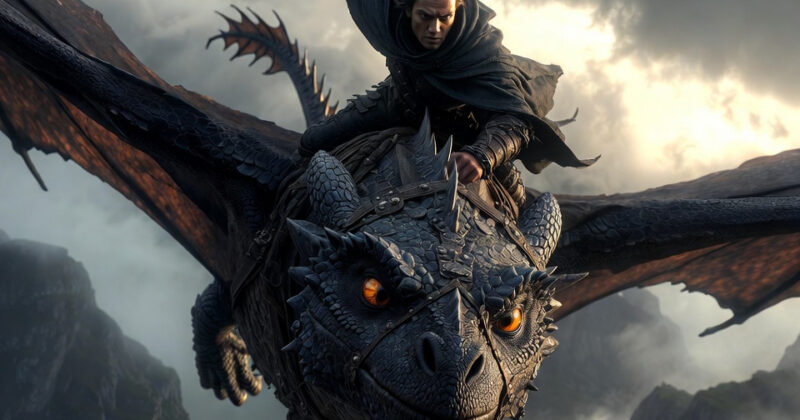
Adjustments in tone and detail are also on the horizon. Look for dramatic cinematography, richer world-building, and technically ambitious set pieces—particularly in the film’s signature dragon-riding sequences and the emotional exchanges in Berk’s epic landscapes. The commitment to high-caliber visual storytelling means fans can expect a film that bridges the boundary between “animated classic” and “cinematic event,” echoing the artistic ambition seen in today’s top-tier reboots across fantasy and action cinema.
The Future of the Franchise: Setting the Stage for New Adventures
With a blend of returning stars, thoughtful adaptation, and an eye for modern relevance, How to Train Your Dragon 2 is poised to strike a careful balance: honoring its beloved roots while fearlessly taking flight into new territory. Every new casting choice and narrative tweak has been scrutinized by a passionate fanbase, which only underscores the franchise’s enduring cultural footprint.
The next chapter promises high-flying adventure and emotionally charged storytelling, reminding both newcomers and loyal fans why the dragons of Berk have continued to soar above the landscape of fantasy cinema.