Inside the Cancellation of Buffy The Vampire Slayer Revival and What Lies Ahead for the Franchise
Hulu’s Sudden Halt of the Buffy The Vampire Slayer Revival
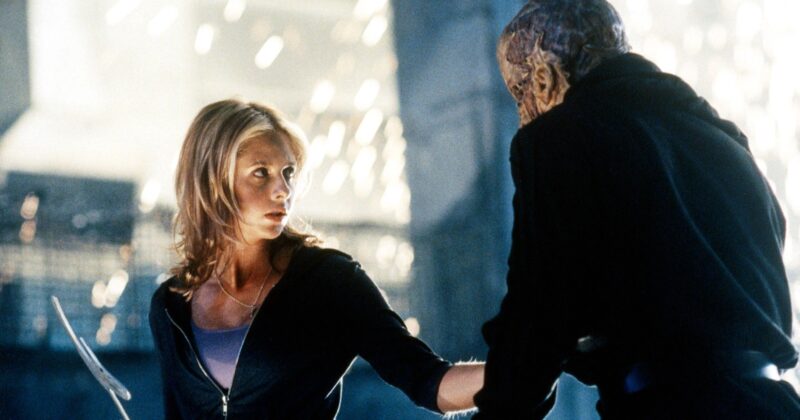
Fans of Buffy The Vampire Slayer were left stunned when Hulu announced it would not move forward with the much-anticipated sequel series, Buffy The Vampire Slayer: New Sunnydale. This decision came despite the project having all the right ingredients: Sarah Michelle Gellar reprising her iconic role as Buffy Summers, acclaimed director Chloé Zhao at the helm, and a promising new lead in Ryan Kiera Armstrong as Nova, the next generation of slayer. While the pilot episode had been completed, Hulu quietly shelved the entire series, leaving viewers and creators alike in dismay.
Why Did Hulu Pull the Plug?
In the television industry, a pilot episode represents a major vote of confidence from a network or streaming service. Funding a pilot is a substantial investment, signaling belief in the show’s potential trajectory. Yet, the pilot alone does not guarantee a greenlight for a full season. Insiders have hinted that Hulu’s decision stemmed largely from concerns around the pilot’s quality and possibly its narrative focus.
The revival was structured to spotlight Nova, the new slayer, with Buffy herself appearing in a limited recurring role initially. While this approach makes narrative sense—introducing a fresh protagonist before fully re-engaging the franchise’s veteran hunter—it may have alienated core fans eager to see Gellar’s Buffy front and center early on. This balancing act between legacy and innovation remains a persistent challenge for reboots, especially those tied to beloved cultural touchstones.
Adapting Buffy’s Unique Format to Streaming Challenges
The original Buffy aired in an era dominated by weekly episodic releases, which allowed for a flexible blend of standalone «monster-of-the-week» episodes and serialized storytelling arcs. Transitioning this kind of storytelling to a streaming model is no small feat. Streaming platforms often favor bingeable content with tightly woven story arcs, possibly constraining the show’s ability to explore its traditional pacing and structure.
Compounding this are the weighty expectations that come with continuing a series that shaped the landscape of supernatural TV drama. Buffy set the bar high with its blend of character-driven plots, sharp dialogue, and genre innovation. Meeting fan expectations while attracting newcomers requires a delicate execution that perhaps the revival’s pilot did not fully achieve.
The Emotional Toll on Fans and Talent
Sarah Michelle Gellar herself shared the cancellation news on social media, prompting an outpouring of disappointment from the global fanbase. For many, this revival represented a long-awaited return to a cherished universe, especially with Gellar’s involvement signaling an authentic continuation rather than a mere reboot.
Moreover, Chloé Zhao’s role as director and executive producer injected serious prestige into the project. Known for her deeply human and character-focused filmmaking, Zhao’s passion for Buffy was well-documented, generating optimism about the revival’s potential to bring something fresh yet respectful to the original’s legacy. Her public acknowledgment of the cancellation, coupled with a hint that the project’s door remains slightly ajar, sustains hope within the community.
What Could the Future Hold for Buffy The Vampire Slayer?
Despite Hulu’s decision to halt New Sunnydale, there are signals that the franchise itself is not being abandoned. Zhao’s comments after the cancellation stressed a commitment to remaining loyal to the core spirit of the original, and she left open the possibility of reimagining the project with other partners or in a different format.
Reports indicate that Hulu isn’t completely closing the chapter on Buffy, with vague references to potential new projects within the franchise. However, specifics about what form these would take — whether a retooled series, spin-offs, or other media expansions — remain unclear. Given Buffy’s enduring influence on genre storytelling, and the franchise’s continued draw for streaming platforms, it’s plausible that renewed efforts will emerge.
Why Buffy Remains a Valuable Cultural Asset for Streaming Platforms
Buffy the Vampire Slayer pioneered a style of supernatural drama that has since inspired countless series, influencing tone, character development, and world-building in genre TV. Its legacy guarantees a built-in global audience, making it an asset platforms are hesitant to relinquish entirely.
Hulu’s current stewardship of the original series makes it a natural home for future Buffy content. Nonetheless, the challenge lies in balancing expectations from nostalgic long-time fans with the tastes of a new generation raised on different storytelling conventions and platforms.
Sarah Michelle Gellar’s eventual buy-in was a significant milestone after years of failed revival attempts. The franchise’s caretakers must navigate this intricate landscape carefully, ensuring that any new manifestation honors Buffy’s spirit without stagnating its evolution.
As the streaming world continues to seek out proven intellectual properties with transmedia potential, Buffy’s rich narrative universe remains an enticing option. Whether through direct continuation, reboot, or fresh spin-offs, it is evident that Buffy The Vampire Slayer’s story is far from over.