Inside the Cancelled Metro 4: What Could Have Been a Game-Changer for Metro Fans

The Metro Franchise and Its Long-Awaited Continuation
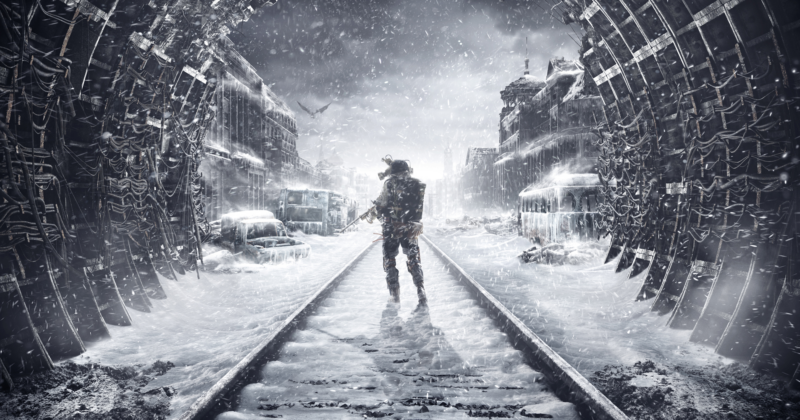
Since the release of Metro Exodus, an immersive journey through a post-apocalyptic Russia, fans of the Metro series have been eager for news about the next installment. For years, anticipation simmered as 4A Games kept details tightly under wraps. Now, as glimpses of the upcoming sequel begin to emerge, recent leaks have shed light on a fascinating alternative path the franchise might have taken—an ambitious, now-cancelled Metro 4 project that promised to dive deeper into the series’ signature atmosphere and gameplay style.
A Glimpse Into the Cancelled Metro 4
Unlike Metro Exodus, which expanded the franchise into sweeping open environments resembling a blend of survival and action-shooter elements, this scrapped title aimed to reconnect with the claustrophobic, gritty essence that made the early Metro games beloved. According to community leaks circulating on platforms like Reddit and Discord, this unreleased game was planned to be a prequel, set around the events of Metro: Last Light or perhaps even just before or after them.
Players would have stepped into the boots of Hunter, a fan-favorite Spartan Ranger from the original Metro 2033, instead of following Artyom’s story again. This shift in perspective promised fresh storytelling while staying firmly rooted in the perilous underground world that fans cherish. The narrative focus also appeared to lean heavily on other key characters such as Khan and Bourbon, clarifying Bourbon’s survival after the earlier games and deepening emotional stakes.
Technical Ambitions and Gameplay Innovations
The cancelled project was surprisingly far along in development, boasting a playable build estimated at around 120GB back in 2022. Its design included expansive open-world elements combined with deep crafting and upgrade systems, similar in ambition to Metro Exodus but with a reinvigorated focus on survival horror and atmospheric tension rather than broad exploration. This blend sought to strike a delicate balance between open-world freedom and the tightly woven storytelling rooted in Metro’s dark, post-nuclear world.
More intriguing were proposed gameplay mechanics that embraced player choice and immersion. One standout feature involved the handling of rumors and superstitions spread among the stations in the underground network. Players could either debunk or encourage these myths, impacting practical survival techniques—such as using alcohol to mitigate radiation poisoning or discovering that women shoot faster in NBC suits. These elements anchor the game’s lore deeply into reality while enhancing immersion and strategy.
Fan Reactions and the Impact on the Metro Universe
The response from the Metro community has been a blend of excitement and nostalgia. While some fans initially hesitated at the idea of continuing the series without Artyom as the protagonist, a significant portion embraced the chance to explore Hunter’s perspective. Many hope this could open narrative pathways that eventually bring Artyom back into the fold through interconnected stories or potential DLC expansions.
Metro fans have long prized the series for its unique blend of narrative-driven shooting, atmospheric world-building, and survival mechanics. This cancelled project showed a clear intent to recapture what made Metro 2033 and Last Light resonate so strongly while evolving the gameplay to meet modern expectations. Its cancellation leaves many wondering if elements from this version might still influence the official sequel or future Metro titles.
The Future of Metro’s Storytelling and Gameplay
With 4A Games recently unveiling new information ahead of PlayStation’s State of Play events, anticipation grows around the direction the franchise will take next. Although the brutal and immersive VR experience, Metro Awakening, has arrived as a spin-off, fans remain eager for a mainline sequel that fulfills long-standing desires for both emotional continuity and gameplay innovation.
Given how developed this cancelled Metro 4 was, it isn’t far-fetched to think some of its innovations—especially the nuanced character focus and rumor mechanics—could be reincorporated into the upcoming releases. These features could enrich player choice and world-building further, offering a refined blend of Metro’s signature storytelling and survival gameplay.
As the series progresses, its community hopes for a revitalized experience that honors the dark and gripping atmosphere of the underground metro tunnels while embracing modern technology—balancing narrative depth with expansive yet intimate gameplay spaces. Whether Metro’s future unfolds through a revamped sequel or reimagined spin-offs, its legacy as a defining post-apocalyptic franchise remains intact.