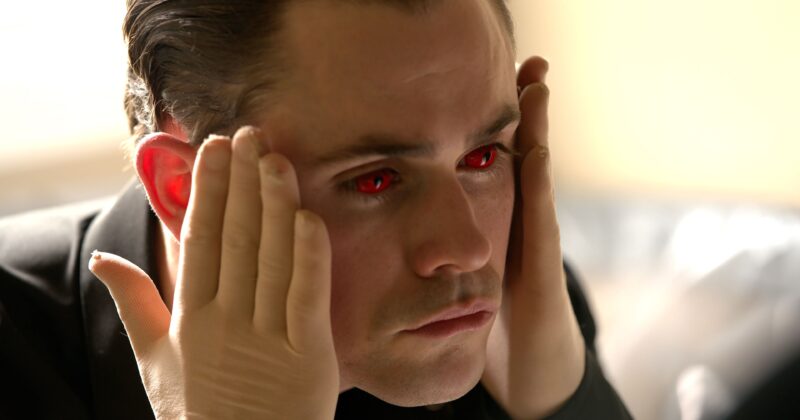
Inside ‘Faces of Death’: Decoding Arthur’s Motives and Hidden Backstory in the Chilling Horror Reimagining

Dark Legends Reborn: The Sinister Appeal of Faces of Death
The newly imagined Faces of Death plunges into meta-horror territory, weaving together chilling modern anxieties with echoes of its notorious predecessor. Instead of simply repackaging shock for a new audience, this reboot builds its mystery around Arthur, played with unnerving subtlety by Dacre Montgomery. The film opts for slow-burning psychological dread, encouraging viewers to examine every frame for cryptic clues about its killer’s past and twisted ideology.
Arthur: A Killer Hidden in Plain Sight
Stripping away the typical exposition dumps, director Daniel Goldhaber and co-writer Isa Mazzei have taken pains to keep much of Arthur’s backstory in the shadows. As Mazzei points out, only the most attentive viewers will spot breadcrumbs scattered across the killer’s desolate suburban environment—details embedded in set design, casual dialogue, and symbolic background elements. Photographs with red Xs over the eyes and unsettling room décor hint at deeper traumas, while every piece of production design adds another layer to Arthur’s disturbing psyche.
Meta-Horror in the Digital Age
Montgomery’s Arthur is eerily contemporary, inspired in part by the real-life notoriety of individuals like Elliot Rodger. The killer livestreams his gruesome homages to the original film through a fictional platform, Kino, shining a light on society’s obsession with morbid online content and the dark incentives created by algorithm-driven attention. This digital context isn’t just window dressing—it’s a central pillar of what makes this iteration fresh and poignant, particularly as Margot (Barbie Ferreira), a content moderator, finds herself drawn into his deadly web.
Psychological Threats and Subtle References
Rather than revealing everything upfront, Goldhaber invites viewers to play detective. The clues within Arthur’s isolated, eerily sterile environment point to alienation and radicalization—a silent commentary on toxic online communities and disconnected lifestyles. The film’s visual cues, such as family photos defaced with red Xs and the presence of provocative, controversial iconography, add depth for those willing to read between the lines.
The Power of Method and Collaboration
Montgomery’s preparation for the role sheds light on the film’s dedication to depth. The actor immersed himself fully in Arthur’s mindset, maintaining a constant dialogue with the creative team. This collaborative approach resulted in a layered portrayal—one that feels authentic and genuinely terrifying in its ambiguity.
Redefining the Horror Sequel
Faces of Death distinguishes itself from standard slasher fare by eschewing the traditional cat-and-mouse formula. Instead, the film alternates between Arthur’s perspective and Margot’s descent, creating a narrative that blurs the line between predator and prey. The focus remains steadfast on the dangers inherent in viral violence and the murky consequences of internet anonymity. This thematic depth elevates the reboot above mere spectacle, drawing clear parallels to ongoing debates about content moderation, online radicalization, and cultural obsession with true crime.
Uncovering Layers: The Experience Beyond the Surface
The mystery of Arthur’s origins isn’t just left unsolved; it’s deliberately embedded throughout the film, challenging dedicated fans to piece the puzzle together. The creative team’s refusal to over-explain ensures that terror lingers long after the credits roll, rewarding viewers who engage deeply with its atmospheric storytelling. With outstanding performances and meticulous direction, Faces of Death transforms from a simple horror reboot into a haunting, thoroughly modern reflection on the dangers lurking within both content and consumer.