‘Grind’: When DIY Spirit Reinvents Horror for the Working Class
The indie horror scene has always been fertile ground for innovation, but few films in recent memory have captured the anxieties of modern work culture as sharply as ‘Grind’. Helmed by Brea Grant and Ed Dougherty—both bringing impressive resumes spanning acclaimed series, cult films, and the creative vanguard of contemporary horror—this anthology slices through the monotony and terror of everyday jobs with razor-sharp wit and a thrilling sense of experimentation.
The DNA of ‘Grind’: Origin Stories and Indie Ingenuity
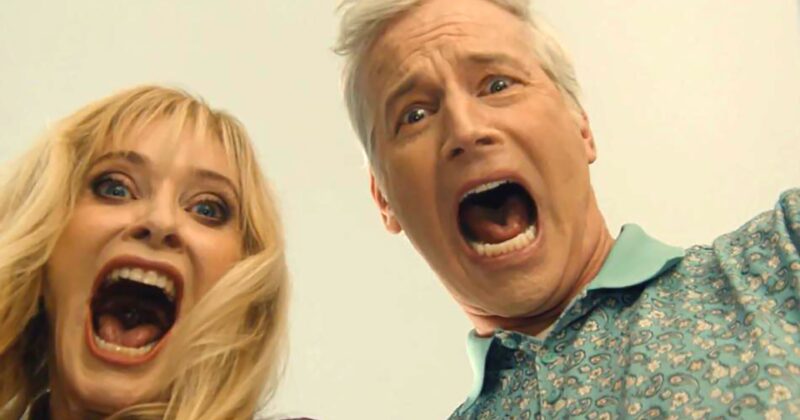
Brea Grant’s trajectory from acting in iconic series like Heroes and Dexter to crafting her own stories as a director in 12 Hour Shift and Lucky is well-documented among genre aficionados. Ed Dougherty, whose fingerprints are on influential projects like a segment in The ABCs of Death and the screenplay for Paint It Black, pairs seamlessly with Grant. Their original short film MLM laid the foundation for Grind, expanding that single, claustrophobic tale into four interconnected stories that tap deeply into the fears and frustrations of the contemporary workforce.
This anthology isn’t just a collection; it’s a thematic tour of the gig economy’s darker underbelly. The segments dive into multi-level marketing schemes, the Sisyphean task of food delivery, the psychological fallout of moderating online content, and the quiet rebellion brewing in a unionizing coffee shop. Each vignette nails a piece of the fractured reality so many now face.
Behind the Scenes: From Living Room Shoot to Festival Applause
Grant revealed how deeply personal and hands-on the project became. The segment MLM was filmed right in Dougherty’s own home, blurring the lines between fiction and lived experience. This approach was not just for convenience; it became a testament to the team’s indie ethos. Funding, scripting, and shooting came together organically and sometimes chaotically—a hallmark of truly hands-on cinema.
Throughout development, the filmmakers collaborated closely rather than falling into the typical anthology trap of disconnected episodes. Decisions about who would direct each segment were made naturally through the writing process—and sometimes, as Grant jokes, through a little competitive arm wrestling. The «Content» segment, focusing on the horrors of online moderation, saw Dougherty take the reins, steering clear of material that even Grant deemed too disturbing for a wide audience. Chelsea Stardust, known for her work on Into the Dark, joined as producer and helmed the film’s wraparound narrative, infusing the anthology with cohesion and giving the audience a clear entry and exit point into this unsettling world.
An Ensemble Cast That Elevates Every Frame
No anthology achieves cult status without a killer cast. Grind recruits both horror royalty and comedy veterans: Barbara Crampton—a legend from classics like Re-Animator—creates a chilling anchor for the cast alongside Children’s Hospital‘s Rob Huebel, Barry‘s Christopher Rodriguez-Marquette, Fear the Walking Dead‘s Mercedes Mason, The Venture Bros.‘ James Urbaniak, and Dimension 20‘s Ify Nwadiwe.
Improvisation and dynamic performances became a core part of the film’s identity. Rodriguez-Marquette shared how scenes often evolved on set, with much of the dialogue and chemistry built in real time. Huebel, famous for walking the fine line between comedy and villainy, leaned into playing figures that audiences love to hate, using humor to expose the toxic personalities often found in the workspace. Grant and Dougherty, meanwhile, provided a script strong enough to support this creative freedom without losing narrative tension.
Workplace Horror, Satire, and Raw Honesty
Across its segments, Grind doesn’t just deliver scares—it holds up a mirror to a work-obsessed society. The satire is biting but never preachy; audiences laugh and squirm in all the right places. Whether mocking the façade of hustle culture or unmasking the true cost of endless productivity, the film resonates because it recognizes the audience’s struggles as its own playground for both terror and empathy.
Chelsea Stardust’s framing narrative, «Warehouse Wonders/The Black Box,» bookends the experience, letting viewers settle in for the ride and reflect on where their own lives intersect with these grim tales. Behind the scenes, Los Angeles provided a challenging yet creatively stimulating backdrop for this ultra-independent shoot, with every cast and crew member pouring genuine passion and sweat equity into the finished product.
With its blend of social commentary, comedic bravado, and palpable unease, ‘Grind’ easily earns its spot among the most talked-about genre releases of 2026. For fans of anthology storytelling, workplace satire, and boundary-pushing horror, it’s a must-watch.