Inside Star Trek: Enterprise’s Most Polarizing Mirror Universe Episodes – Actor Confessions and Fan Favorites

The Unfiltered Truth Behind a Star Trek: Enterprise Fan-Favorite
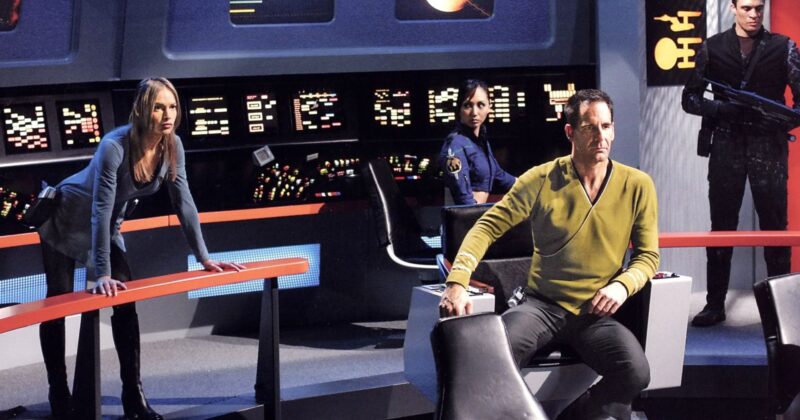
Star Trek: Enterprise remains a touchstone for science fiction and space adventure fans, but few arcs generated debate quite like the fourth season’s foray into the notorious Mirror Universe. While viewers continue to acclaim the alternate reality two-parter ‘In a Mirror, Darkly,’ not everyone involved in the show shares such enthusiasm—especially actor Connor Trinneer, who brought Commander Trip Tucker to life.
A Celebrated Gimmick with Mixed Reactions On Set
The Mirror Universe is one of the most iconic narrative devices in Star Trek lore, offering a darker, more aggressive echo of familiar crewmates. For years, fans have dissected the playfully twisted portrayals and nods to franchise history, but Trinneer’s own experience was far from positive. During a candid panel at a Star Trek convention cruise, he revealed he ‘hated every second’ of filming those episodes and has never actually watched them since.
Trinneer’s disappointment stemmed from the stark contrast between his intended approach and director James Conway’s vision. In rehearsal, what began as a joking pirate impression became the template for ‘Mirror Trip’—right down to the scarred visage reminiscent of Captain Pike from The Original Series. When Trinneer, caught off-guard by the direction, asked for another take to refine the performance, the director’s response was a definitive: ‘Nope, that’s it.’
Legacy and Context: Why the Mirror Universe Still Matters
Beyond the behind-the-scenes disharmony, these episodes dropped at a critical moment for Star Trek: Enterprise. The cast and crew learned during filming that the show had been canceled. The sense of impending closure layered emotional resonance onto an already surreal set, as cast members navigated both their characters’ evil alternate selves and the looming end for their tenure on the franchise.
It’s ironic, then, that what Trinneer found uncomfortable has gone on to become a cult highlight within modern Trek fandom. The Mirror Universe two-parter is consistently cited as Enterprise‘s creative zenith—a testament to showrunner Manny Coto’s ambition to blend classic Trek tropes with contemporary storytelling flair. For many, the arc is essential viewing, packed with visual Easter eggs (like Trip’s scars) and performances that echo, parody, and sometimes subvert decades of Star Trek tradition.
Star Trek’s Mirror Tradition and Pop Culture Impact
Mirror episodes have always spotlighted the elasticity of Trek’s universe and its enduring characters. By turning familiar heroes into villains, the franchise invites fans to explore themes of power, loyalty, and morality from a fresh angle. While actors like Trinneer may cringe at memories of piratical improvisation, these episodes have carved out a unique legacy—referenced across later series, comics, and even merchandise.
Interestingly, had the show received a fifth season, plans were in motion to revisit this shadow dimension once again. For better or worse, the «Pirate Trip» persona and the larger Mirror Universe continue to be fixtures of discussion both within fan circles and among Trek veterans like Trinneer, whose raw honesty adds a fascinating layer to the episodes’ mythos.
Enterprise Cast Dynamics On and Off Camera
The dynamic within the Enterprise cast remains as compelling as the show itself. Trinneer, along with his co-host Dominic Keating, dives regularly into these experiences on their podcast, «The D-Con Chamber.» As they revisit episodes, fans get a rare look at the interplay between what was intended on-screen and what unfolded behind the scenes—adding rich texture for those rewatching the Mirror Universe arc today.
For anyone interested in the craft of science fiction television, the story behind «In a Mirror, Darkly» stands as a reminder that what resonates on screen isn’t always what resonated with those who created it. Yet, the lasting appeal of these episodes, both lauded and lampooned, cements their status as a touchpoint for Star Trek’s loyal base and the pop culture landscape at large.