Inside The Dads: How Luchina Fisher and Dwyane Wade Elevated a Critical Documentary for Trans Rights

The Dads: A New Documentary Era for Trans Rights Advocacy
Luchina Fisher has become a driving force in the landscape of social justice filmmaking, especially with her acclaimed project The Dads. What began as a powerful short film capturing the unique bond between fathers of transgender children during a remote retreat quickly garnered traction, eventually drawing the attention — and support — of basketball legend Dwyane Wade.
From Award-Winning Short to Feature Documentary
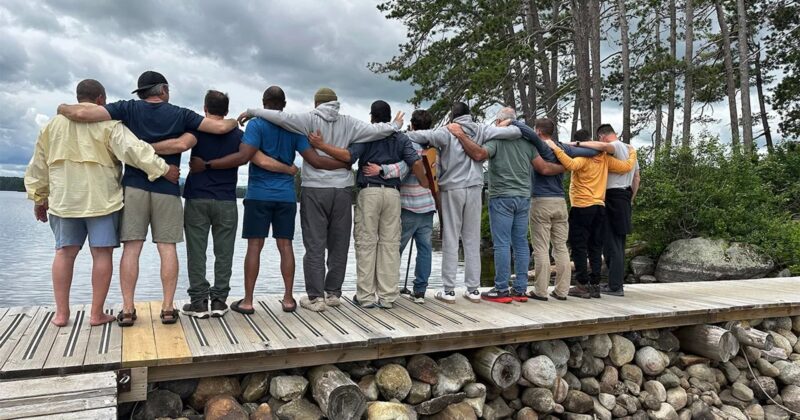
The original short that originated from a modest shoot over a single weekend was anything but ordinary. It spotlighted five dads and Dennis Shepherd as they shared stories and experiences supporting their trans children amid rising societal tension. There was a technical agility here too—Fisher and her compact crew maintained an understated presence, making the participants comfortable to reveal raw emotions. This approach contributed to the film’s authentic warmth, allowing it to resonate on a profound level with viewers.
Following a buzzy festival premiere, Netflix swiftly acquired the short, amplifying its reach globally. The platform’s backing not only validated the project but became a launchpad for something bigger: an extended feature. The short’s success inspired the fathers themselves to create an ongoing support network—founding a foundation and hosting annual retreats to help more families navigating the complexities of raising gender-expansive children.
Dwyane Wade’s Advocacy and the Shift to Urgency
In a landscape where rights for LGBTQ individuals are under increasing threat, the transformation of The Dads into a full-length documentary took on deeper urgency. With the political climate evolving rapidly, Fisher and her team shifted their narrative to spotlight not only familial love and support but also the climate of fear, resilience, and activism forming in response. Dwyane Wade’s role as executive producer gave the film not just visibility but cultural gravitas—his own journey as a parent to a trans daughter evolving in parallel to the film’s ethos.
Capturing Intimacy and Ensuring Safety
Fisher and her team navigated difficult editorial and ethical challenges: how to portray real families without exposing children to additional risks, especially as legislation and rhetoric grew increasingly hostile. Decisions about how much to show—especially regarding the children—were made collaboratively, prioritizing privacy and well-being. Audiences have connected with moments of everyday joy and normalcy, like those featuring Hobbes, a college student whose candid perspective provided a window into living authentically despite constant societal pressures.
The Importance of Language: ‘Gender Expansive’ Communities
The documentary also explores the evolution of language. Fisher and her subjects prefer ‘gender expansive’ to older terms, reflecting an effort to broaden inclusion and recognize that identity does not fit neatly into fixed categories. This detail adds a contemporary layer, resonating with audiences who crave clarity and empathy in gender discourse.
A Movement Beyond the Film
The legacy of The Dads extends far past the screen. The foundation born from these retreats provides year-round resources and moral support for families across the United States. The involvement of high-profile allies like Wade—himself an outspoken advocate—signals a new chapter where storytelling, activism, and celebrity intersect to form lasting impact within pop culture and social policy discourse.
For those invested in cinema, streaming, or culture at large, The Dads is a reference point for how film can catalyze both empathy and action in turbulent times. It’s a must-watch for anyone tracking the intersections of documentary film, advocacy, and the ever-evolving discussion around gender identity.