The Sun That Never Sleeps: Filming in Alaska’s Midnight Glow
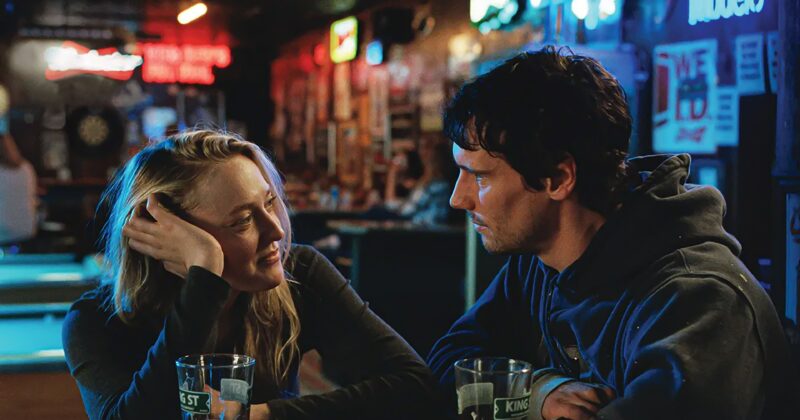
When Dakota Fanning stepped into the world of The Sun Never Sets, she entered an Alaska vastly different from movie sets in LA or even the sprawling natural dramas of the Pacific Northwest. With sunlight lingering late into the evening, production rarely wrapped before surreal scenes under an ever-bright sky. The film’s premise—a young woman reevaluating her relationships in Alaska—took on new layers with a cast and crew experiencing near-constant daylight, an environment as complicated as the love triangle that drives the plot.
A Star-Studded Cast Against the Last Frontier
Under the direction of indie favorite Joe Swanberg, the cast thrived—and sometimes struggled—beneath unusual filming conditions. Fanning leads as Wendy, supported by a mix of talents including Jake Johnson, Cory Michael Smith, and Debby Ryan. Notably, Swanberg tapped into his familiar circle from previous indie hits, with Johnson returning after collaborations on Drinking Buddies and Win It All, while Anna Konkle and Lamorne Morris bring comedic chops honed on cult TV favorites.
Life and Art Collide Under Alaska’s Midnight Sky
Shooting in Alaska proved more than just a logistical twist. The natural phenomenon—nights that feel like days—left an impression on everyone. Fanning found joy in watching children play outside at 9:45 PM, while Johnson described the surreal contrast of bright playgrounds coexisting with less savory street scenes at midnight. Johnson humorously remarked on the cultural shock, sharing that seeing ‘drunk people walking the streets at midnight’ in full daylight blurred the lines between reality and performance.
Channeling Real Emotions and Local Flavor
The harshness and beauty of Alaska crept into the performances. Cory Michael Smith, who plays a pilot in the film, took his preparation seriously: flying alongside real pilots to bring authenticity to his role. He admitted the disconnect from his own life but found common ground in the emotional vulnerability required for his character—mirroring the kind of introspection Alaska’s endless daylight can inspire. Fanning, while self-professed ‘not outdoorsy,’ embodied a more adventurous persona for Wendy, noting the inevitability of becoming part of nature in such a setting.
The Creative Process: Building Characters Together
Joe Swanberg’s collaborative approach shaped much of the character work, often drawing from his own experiences and encouraging his actors to blend personal insights into their roles. Jake Johnson revealed that his character’s foundation came from a candid story Swanberg shared about his real life, adding a layer of authenticity and humor to their scenes. Together with Fanning, they explored what would make an older, complicated man appealing to Wendy, ensuring each character felt dimensional and true to life.
Indie Spirit Meets Festival Energy
This film never loses sight of its indie roots, both in its on-screen narrative and behind-the-scenes culture. Swanberg’s devotion to festival circuits—premiering many of his early works at major festivals—mirrors the commitment and passion that define The Sun Never Sets. Here, Alaska is more than just a location; it becomes a character, influencing the cast’s mindset, the film’s mood, and the authenticity of its story about love, identity, and second chances bathed in perpetual sunlight.