Inside Wasteman: An Unflinching Dive into Prison Life with David Jonsson and Tom Blyth
Immersive Realism Anchors Wasteman’s Prison Thriller
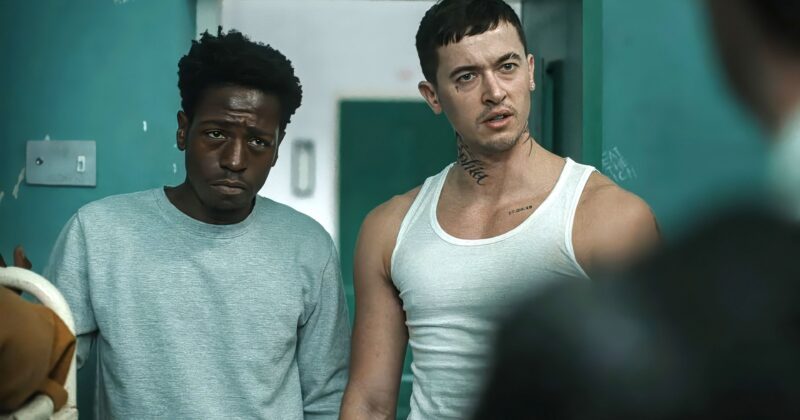
In an era where authentic storytelling has become the cornerstone of impactful filmmaking, Wasteman emerges as a gripping prison drama that refuses to glamorize or sensationalize incarceration. Directed by Cal McMau, who stepped in after the Safdie brothers were initially attached, the film explores the life of Taylor, portrayed by David Jonsson, a long-term inmate and prison cook struggling to redefine his life after 13 years behind bars.
This character-driven narrative pivots sharply when Taylor receives parole news—an opportunity under threat when Dee, played by Tom Blyth, is assigned to be his new cellmate. Dee’s volatile nature and ambition to dominate drug trafficking within the prison walls imperil Taylor’s chance at freedom and recovery, creating an intense dynamic that propels the film’s tension.
A Cast Forged by Recent Hits and Depth
David Jonsson arrives at Wasteman fresh from acclaimed roles in HBO’s Industry and the sci-fi thriller Alien: Romulus, bringing a grounded intensity to Taylor’s resilience and vulnerability. Opposite him, Tom Blyth leverages the momentum from breakthrough projects like The Hunger Games: The Ballad of Songbirds & Snakes and the gripping Billy the Kid series, imbuing Dee with chaotic magnetism and simmering menace.
The supporting cast enhances the palpable realism, featuring talents such as Alex Hassell from Violent Night, alongside Corin Silva, Paul Hilton, Neil Linpow, and Layton Blake, all contributing authentically to the narrative mosaic.
Filmed Amidst Authentic Surroundings for Maximum Impact
One of the most noteworthy aspects of Wasteman lies in its shooting locations. Filming took place at the Shepton Mallet Prison—an actual former penitentiary—as well as sites in London and Somerset. This choice was deliberate, anchoring the story in palpable authenticity where the cold, confining architecture becomes a character in itself.
David Jonsson emphasizes how the creative team aimed for a truthful representation—not just to depict prison life but to resonate with anyone connected to the justice system. «We’re talking about a system that touches all of us, whether through tax contributions or personal experience,» Jonsson explains, reflecting the film’s universal yet gritty perspective.
Collaboration with Switchback Grounds the Story in Reality
Integral to Wasteman’s undiluted realism was the partnership with Switchback, a UK program dedicated to aiding those transitioning out of incarceration. Members of this charity didn’t just consult; many appeared as extras and worked behind the scenes, infusing the production with lived experience and helping the actors to transcend performance and live truthfully within their roles.
Jonsson credits Switchback’s influence for instilling «experience and honesty» that helped him escape the confines of mere acting. Blyth adds that the presence of people who had genuinely endured prison life kept the cast anchored: «Whenever you feel yourself slipping into acting, you look around and remember the real stories present, helping you breathe and be in the moment.» This level of immersion is a rare feat in prison dramas where authenticity is often compromised.
The Actor’s Bond: Building Trust in a Harrowing Environment
Jonsson and Blyth’s portrayal benefits immensely from the trust they’ve cultivated off-screen. With only 18 days to shoot—a demanding schedule that left no room for error—the duo leaned on one another, ensuring their intense scenes hit with rawness and precision.
One standout moment is their opening encounter: Dee strips naked immediately upon meeting Taylor, a power play setting the tone for their volatile relationship. Blyth humorously remarks on the frequency of his nude scenes, highlighting how this vulnerability adds a surprising layer of bravery and authenticity to the film.
Despite staying deeply in character for prolonged stretches, the actors prioritized regular check-ins to maintain mental and emotional well-being. Blyth recalls these moments fondly: «I’d ask David if he was okay with the intensity, and he’d affirm, pushing us to keep going and uphold the film’s raw edge.» It’s this professional camaraderie that fuels their palpable chemistry and painful truths.
The Riot Sequence: Unleashing Chaos and Catharsis
As the film reaches its climax, Taylor’s pent-up fury erupts in a violent spree that escalates into a full-scale riot. The sequence, shot during the final days of production, afforded Blyth a cathartic release as Dee fights back relentlessly against the prison guards.
Describing the riot scenes as «a permission to go wild,» Blyth’s performance channels a frenetic energy that is both harrowing and strangely liberating. The choreography of chaos in a confined space captures the claustrophobic brutality intrinsic to prison life, leaving audiences breathless.
Critical Acclaim and Audience Anticipation
Wasteman debuted at the prestigious Toronto International Film Festival to unanimous applause, maintaining a flawless 100% rating on Rotten Tomatoes, a rare feat for such an unflinching thriller. Its UK release has already stirred conversations about prison reform, rehabilitation, and the human stories behind bars.
With its North American theatrical release on April 17, film lovers and thrill seekers are anticipating a cinematic experience that blends raw emotional depth with captivating realism. Beyond its narrative, Wasteman invites reflection on the systemic structures governing justice and human resilience.