Inside the Watch Dogs Movie: Capturing the Expansive Cyber World of Ubisoft’s Franchise

Bringing a Vast Digital Universe to Life
The Watch Dogs movie has been a long-gestating project in Hollywood, rooted in Ubisoft’s critically acclaimed action-adventure series known for its intricate hacking mechanics and sprawling open worlds. After years of development turbulence and creative reshuffles, the adaptation is now moving swiftly towards release under the direction of Mathieu Turi, supported by a screenplay from Christie LeBlanc and Victoria Bata. Star Tom Blyth has recently shared fresh insights into how the film aims to faithfully translate the essence of the video game’s massive, interconnected setting onto the big screen.
Not a Direct Adaptation but a New Story in a Familiar World
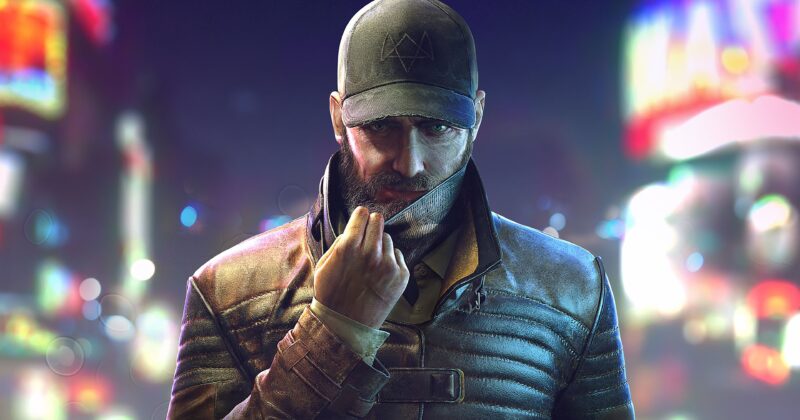
Unlike many game-to-film adaptations that opt for straightforward retellings, this Watch Dogs iteration takes a more original narrative approach. Blyth confirms that the movie will not directly follow characters like Aiden Pearce, the iconic hacker from the first game, but instead crafts a fresh story infused with the technological and philosophical themes that made the games compelling. This choice allows the filmmakers to explore contemporary issues around privacy, surveillance, and digital interconnectedness without being confined by the game’s established plotlines.
Reflecting Today’s Digital Landscape
One of the standout elements Tom Blyth highlights is the film’s topical resonance with modern society. Even as someone who does not classify as a gamer, Blyth was captivated by the script’s incisive portrayal of the current world – a space profoundly shaped by online connectivity and the risks it entails. The movie delves into the dangers of living in a hyper-connected era, where personal data flows ceaselessly between devices and institutions, echoing the games’ central conflict of hackers attempting to expose and combat mass digital surveillance.
Technological Backbone: The Central Operating System (ctOS)
Core to the Watch Dogs universe is the ctOS, a fictional city-wide operating system that manages everything from traffic signals to security cameras and smartphone data. This concept underpins the franchise’s gameplay and narrative, portraying a world where technology both empowers and endangers society. The movie reportedly maintains this foundational element, promising a thrilling look at how such an omnipresent network could be exploited for malevolent purposes—mirroring real-world concerns over data privacy and cyber threats.
Visual and Production Insights
Blyth’s comments also shed light on the production status. Although filming wrapped recently, the release of a final cut appears to be pending, possibly due to extensive visual effects work required to depict the technologically charged world of Watch Dogs convincingly. The film is expected to employ advanced CGI and practical effects to bring to life the futuristic hacking feats and urban landscapes fans have grown to love in the video games.
Additionally, it is notable that the movie does not yet have an attached distributor, which could influence its release timeline and marketing approach. Despite this, the enthusiasm from the cast and crew indicates confidence in the movie’s potential to resonate with both long-time fans and newcomers.
A New Chapter in Game-to-Screen Adaptations
The evolving landscape of video game cinema has seen a wave of successful adaptations that prioritize both narrative depth and respect for the original material. The Watch Dogs movie fits into this trend by embracing the complex social and technological themes that made the franchise a standout in the gaming community. With fresh storytelling and a clear vision to capture the massive scale of its cybernetic world, this adaptation aims to offer a cinematic experience that feels both relevant and thrilling.
As expectations build, the film’s focus on contemporary digital anxieties paired with action-packed sequences positions it not merely as a game adaptation but as a pertinent cultural commentary on the digital age. Audiences can look forward to a story that interrogates how technology shapes human existence, privacy, and power—delivered through a gripping crime thriller lens akin to classics that blend genre storytelling with real-world reflection.