Insidious: Out of the Further – Why the Red-Faced Demon Should Finally Fade Away

The Evolution of Insidious and Its Haunted Legacy
Since its debut, the Insidious franchise has carved out a distinct niche in modern horror, blending chilling atmospheres with carefully crafted scares that have captivated audiences worldwide. The original 2011 film set a high bar with its unsettling tone and narrative centered around astral projection and sinister forces lurking in a supernatural realm known as the Further.
Over the years, the franchise expanded with sequels that took varied narrative approaches, each attempting to deepen the mythology and elevate the horror elements. Among them, Insidious: Chapter 3 stood out for successfully recapturing the eerie vibe that made the first installment so memorable. Meanwhile, entries like Chapter 2, The Last Key, and The Red Door garnered mixed reviews. Fans and critics alike noted that the series struggled to maintain consistent tension and innovation, leading to a sense of creative fatigue.
Introducing New Depths: Out of the Further’s Fresh Angle
The upcoming sequel promises a return after a three-year pause, introducing audiences to Gemma, a new character who shares Dalton’s rare astral projection ability. However, Gemma’s power takes a leap forward — she can retrieve spirits from the Further without requiring a host body, a concept that reimagines the franchise’s supernatural rules and offers fertile ground for exploring fresh horror scenarios.
The trailer reveals promising imagery featuring unnerving spirit designs that feel genuinely original. The Further’s ethereal nightmare is emphasized with eerie spaces and time-bending sequences that evoke a heightened sense of liminal terror. One standout sequence recreates a timeless, childhood-like environment with spirits lurking within the cushions of an endless couch fort. This inventive set piece resonates with current trends in horror exploring liminal spaces, akin to the unsettling vibes popularized by Backrooms, further enriching Insidious’ unique atmosphere without relying solely on legacy motifs.
The Red-Faced Demon: A Past Icon Struggling to Keep Its Grip
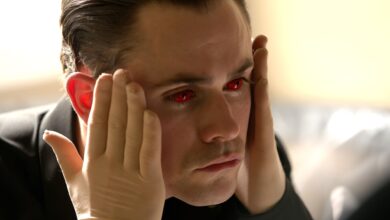
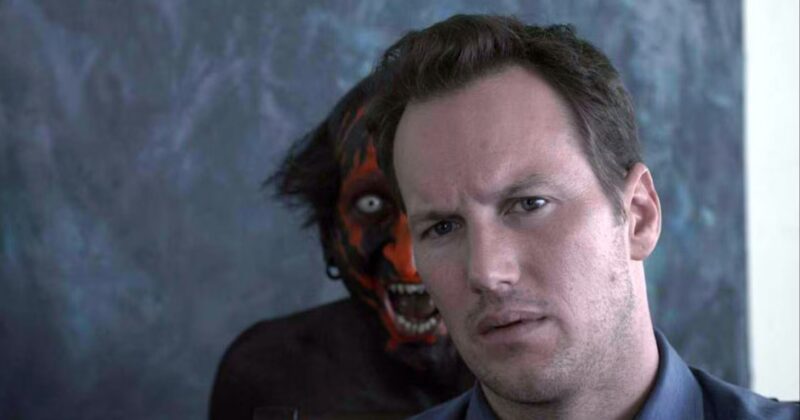
Despite these fresh elements, the trailer’s hint at the return of the Red-Faced Demon — also known as the Lipstick-Faced Demon — raises concerns. This villain first appeared as the primary nemesis who dragged young Dalton’s spirit into the Otherworld in the original film, becoming synonymous with the Insidious brand thanks to his distinct, terrifying design and malevolent presence. Yet, as the sequels progressed, this once menacing figure lost much of his impact.
The franchise’s continual teasing of the demon’s return has led to diminished fear, especially after sequels failed to deliver on the anticipation surrounding this character. The climax of The Red Door, which featured the demon, lacked the chilling punch expected, leaving many viewers dissatisfied with the resolution. The brief trailer shot of the demon pointing ominously—mirroring his iconic gesture from the first film—suggests a continuation of this trope, potentially rehashing tired material.
Why It’s Time for Insidious to Move Beyond Its Signature Antagonist
Retaining the demon risks overshadowing the markedly inventive aspects poised to refresh the franchise. The return of a beloved villain can be a double-edged sword: while fans appreciate continuity and recognizable threats, overusing an antagonist, especially after a decade and multiple films, can stifle narrative growth and diminish suspense.
Insidious: Out of the Further shows strong promise precisely because it appears willing to explore new supernatural dynamics and unsettling environments. By sidelining the Red-Faced Demon, the film could emphasize spellbinding scares and richer storytelling grounded in fresh lore and new characters. This path has the potential to reinvigorate the series, delivering scares that feel both novel and deeply unsettling.
Honoring the Past While Embracing Innovation
In horror cinema, especially in long-running franchises, balancing legacy villains with fresh narratives is a delicate art. Insidious made its mark by combining atmospheric storytelling with innovative paranormal elements. Now, its future success depends on expanding that legacy through emergent ideas, new faces, and embracing creative risks rather than reusing worn-out antagonists.
As audiences grow more sophisticated and horror subgenres evolve, there is a growing appetite for complex supernatural mythologies that invite viewers to immerse themselves in otherworldly realms never before seen. Out of the Further’s focus on astral projection and a protagonist with unprecedented abilities aligns perfectly with these trends, offering a promising horizon for the Insidious saga.