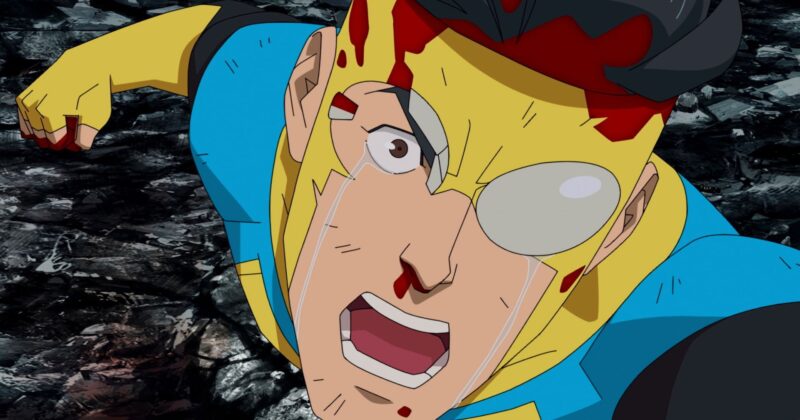
Invincible Reinvents the Superhero Format with Bold Genre Shift
Animated superhero shows have long embraced familiar patterns: origin stories, colorful villains, and lessons about heroism. Invincible exploded onto the scene with an impressive Rotten Tomatoes score, initially following these norms through the discovery of Mark Grayson’s inherited powers and the spectacular legacy of his father, Omni-Man. But what started as a coming-of-age feat in tights has now become something far more daring – especially evident in its latest season.
The Rise and Rupture of Classic Superheroes
Season 1 quickly pulled back the curtain on its golden-age fantasy, revealing the chilling reality behind Omni-Man’s mission and laying the groundwork for a world that refuses to play by the rules. This narrative fracture not only subverted expectations but also positioned the show as a unique voice among animated comic adaptations. The initial seasons still flirted with the structure fans expected: Mark navigated the highs and brutal lows of responsibility, friendship, and family, reminiscent of other superhero sagas but with a darker, more introspective core.
Season 4: Enter the Sci-Fi War Narrative
With the continuation of the Viltrumite War storyline, Invincible discards its final constraints of the superhero template and leans heavily into grand-scale science fiction and war drama. No longer content with street-level crime or planet-saving one-liners, the series now explores vast galactic conflicts, ruthless militarism, and the ethical chaos of war. Mark’s role is upended, not just as a defender of Earth, but as a reluctant soldier in a cosmic clash that has consequences far beyond his home planet.
This pivot is both ambitious and disruptive, putting Invincible in the same experimental league as daring genre reinventions like The Expanse or Watchmen. The show is challenging viewers to expand their perception of what superhero animation can be—not just about capes and catchphrases, but about survival, strategy, and sacrifice on an interstellar scale.
Complex Characters in a Darker Universe
Part of Invincible’s renewed acclaim stems from its refusal to sugarcoat trauma and consequences. The series now boldly explores territory traditionally reserved for dark sci-fi: complex allegiances, the psychological weight of violence, and the blurred lines between hero and villain. Mark Grayson matures not just in age, but through agonizing choices that question the very nature of heroism.
Episodes that were previously marked by urban battles are replaced with arcs set in distant worlds or moral quagmires as deep and unsettling as any cinematic war epic. Even familiar faces like Atom Eve reveal more nuanced motivations, moving away from simple support roles into layered, central figures struggling with the burdens of power in a universe at war.
Is There a Way Back for Invincible?
With an official renewal for another season and every sign that creator Robert Kirkman has a broader roadmap, fans are left to wonder if Invincible will ever return to its simpler superhero roots. The appeal of such a return is obvious—nostalgia for the genre’s more optimistic tone—but both the narrative momentum and the appetite for mature, evolving storytelling suggest otherwise. The current war arc has revealed the show’s true potential: to operate as both a superhero drama and a sprawling cosmic epic, blending genres with skill and boldness rare in animation.
Invincible’s Place Among Modern Animated Series
Amazon Prime Video’s commitment to the series, coupled with critical recognition and Emmy nominations for voice performance, highlight Invincible‘s unique achievement: it’s become a cornerstone of modern adult animation, standing beside shows like Rick and Morty and Bojack Horseman for its willingness to innovate and challenge both audience and medium.
For fans of superhero media, science fiction, or simply brilliant serialized drama, Invincible‘s genre transformation is essential viewing—proving animation can tackle epic conflicts and psychological depth with as much power as its live-action peers.