The Enduring Legacy of Dragon Ball Z in Western Pop Culture
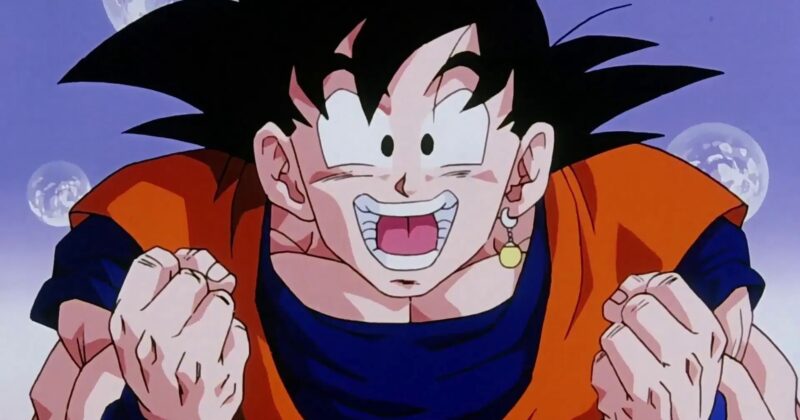
Even decades after Dragon Ball Z first electrified Western audiences, its shockwaves can still be felt throughout the worlds of animation, movies, and series. Akira Toriyama’s legendary saga of Goku and his warrior friends not only paved the way for a new global appreciation of anime but also set a towering standard that few Western productions have seriously aimed to match. While properties like Naruto, One Piece, and Demon Slayer found enormous international followings, the West has long searched for a homegrown answer to the exhilarating blend of high-octane battles and emotional character arcs that defined Dragon Ball Z.
Invincible Finds Its Power
Prime Video’s Invincible steps into this immense shadow, but instead of ducking comparisons, it harnesses the spirit that made Dragon Ball Z an institution. The parallels between Invincible and Dragon Ball Z are far from superficial: both draw from the timeless Superman mythos, introducing alien civilizations engineered for combat and conquest. In Invincible, the Viltrumites echo the Saiyans, arriving on Earth with colonization on their minds, only for one of their own, Omni-Man, to integrate, forge a family, and ultimately stand opposed to his species’ ambitions.
This dynamic casts Omni-Man as a compelling hybrid of Goku and Vegeta, torn between loyalty and conscience. Mark Grayson, his son and the series’ protagonist, mirrors Gohan as a reluctant hero caught between personal drama and cosmic stakes, striving for balance in a world where every choice can determine fates on a galactic scale.
From Superheroes to Intergalactic Warfare
For much of its run, Invincible played out as a dark and savvy parody of Western superhero tropes, cleverly riffing on the conventions established by Marvel and DC icons. Mark Grayson’s battles with mad scientists and monstrous threats felt more inspired by The Avengers than the Z Fighters. That all changed when the series pivoted in its latest season, swapping the familiar backdrop of Earth-bound heroics for sweeping, interstellar conflict.
As the Viltrumite War erupts, Invincible transitions from superhero spectacle to all-out anime-style warfare. The setting expands, the stakes explode, and the action reaches new levels of intensity. Suddenly, audiences are no longer seeing routine heroics; they’re witnessing super-powered aliens with stellar facial hair embroiled in jaw-dropping aerial combat reminiscent of Dragon Ball’s most iconic clashes. Scenes of Mark and his allies soaring across the void, meteoric punches destroying everything in their paths, and the relentless escalation of power and danger all evoke Dragon Ball Z’s signature style – from Goku vs. Vegeta to the last stand against Frieza.
Character Archetypes and Iconic References
This latest evolution brings more than just visual similarities. Invincible’s cast slots easily into classic Dragon Ball roles: Mark Grayson channels Gohan’s struggles with identity, while Omni-Man vacillates fascinatingly between Goku’s leadership and Vegeta’s turbulent redemption arc. Characters like Oliver (echoing Goten), Allen the Alien (akin to Krillin), and even Thaedus (a knowing nod to Master Roshi) embody the diverse spectrum of fighter archetypes that made the Z Fighters so beloved.
Moreover, Invincible’s supporting coalitions – like the Coalition of Planets – now resemble a new era of Z Fighters, moving away from superhero parodies toward a united front of disparate champions battling overwhelming threats. The humor, the team dynamics, and the mutual respect among fighters reinforce Invincible’s place in the same storytelling tradition that Dragon Ball popularized worldwide.
Where Invincible Draws the Line
Yet, for all the shared DNA, Invincible makes no attempt to copy Dragon Ball Z note for note. Its embrace of R-rated intensity sets it distinctly apart: combat is bloodier, consequences more severe, and the language far saltier than anything that aired on Western TV during the early 2000s anime boom. Where Dragon Ball might suggest fatal wounds and recovery, Invincible leans hard into graphic realism and psychological fallout, pushing boundaries on what’s shown and said on-screen.
The series’ commitment to layered character drama is another clear divergence. While Dragon Ball Z could deliver emotional crescendos within the context of monumental battles, Invincible brings personal stakes to the fore, blending superhero melodrama and adult themes in ways rarely attempted in mainstream animation. Mark’s struggle with the morality of violence, Eve’s unexpected pregnancy, and Debbie’s emotionally raw confrontations with Omni-Man deepen the narrative beyond the battlefield. Here, the personal and the epic coexist, ensuring that viewers of all ages — especially those who grew up watching transformations into Super Saiyan — find new reasons to connect.
Invincible’s Place in Modern Pop Culture
By merging the best of both worlds – the high-flying, interplanetary brawl of Japanese anime and the emotional resonance expected of today’s top-tier streaming dramas – Invincible does more than pay homage: it redefines what Western animation can aspire to be. For a generation raised on Dragon Ball Z, Invincible isn’t just nostalgia; it’s evolution. The saga proves that with the right ingredients, America can indeed craft a contender worthy of standing alongside anime’s greatest legends.