JD in Scrubs: Why the Show’s Lead Was Its Most Problematic Character

JD in Scrubs: When the Main Character Becomes the Most Unlikable
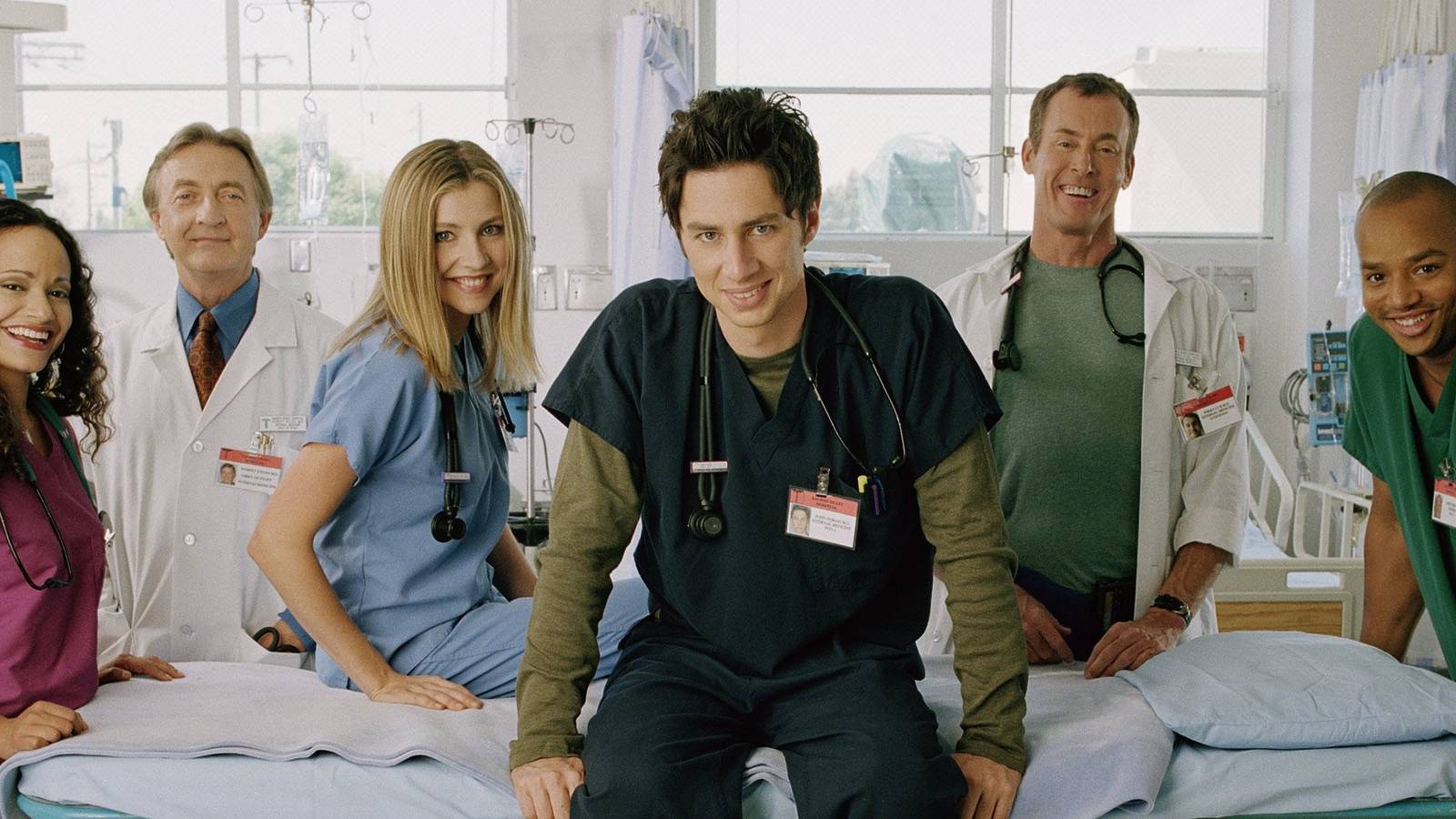
Upon revisiting the hospital halls of Scrubs, an uncomfortable realization emerges: John «JD» Dorian, portrayed by Zach Braff, is far from the lovable, quirky protagonist the series long tried to promote. Modern audiences, with sharper cultural awareness, can spot layers of problematic behavior woven throughout his storyline. Beneath the show’s slapstick humor and fantasy sequences lies a character whose “relatability” now begs for a deeper look.
Relationship Mishaps Crossing Ethical Lines
JD’s romantic life was always chaotic, but his handling of Elliot Reid’s emotions stands out for its cold calculation. Twice, he manages to talk Elliot into breaking up with perfectly good partners, only to discard her immediately after. Rather than a tale of tangled love, these acts reveal an undercurrent of selfishness and emotional manipulation. It’s not vulnerability—it’s a pattern of disregard for the women in his orbit.
Jokes That Hurt Instead of Heal
One of Scrubs’ defining features was its irreverent sense of humor—until it wasn’t. JD’s brand of comedy often hits below the belt, targeting friends’ insecurities, physical traits, and personal struggles. The show tries to paint this as endearing social awkwardness, but the frequency and mean-spiritedness of these jokes point more to emotional immaturity than playful banter.
Physical Comedy or Desperation?
The exaggerated faces, wild gestures, and random noises became JD’s staple. While initially entertaining, these over-performed antics started to replace genuine character depth. The endless mugging comes off, not as inventive, but as a desperate attempt to fill narrative space, sometimes at the expense of meaningful comedic setups.
A Glaring Blind Spot for Women
In an episode that still stirs discomfort, JD is literally depicted as unable to “see” women who are married—unless they are available to him sexually. Intended as a quirky visual gag, it instead exposes a deeper issue: women exist in his world primarily as potential conquests. The supposed innocence of his gaze vanishes, showing a character for whom boundaries and respect are recurring blind spots.
Value Reduced to Conquest
After finally sleeping with Elliot, JD bluntly tells her she isn’t needed anymore—a moment so shockingly lacking in empathy that it strips away any previous affection viewers might have retained for him. She becomes a «checkmark» on his list of life experiences, exposing just how transactional JD’s attachments can be.
Racial Microaggressions Disguised as Friendship
The central friendship with Turk, played brilliantly by Donald Faison, might sit at the heart of Scrubs, but JD’s incessant use of race as a punchline pushes the line far too often. His awkward nicknames and jokes about Turk’s identity shift from harmless inside banter to uncomfortable reminders of how minorities sometimes serve as props in others’ stories.
Selfishness Over Empathy in Critical Moments
JD’s emotional tone-deafness hits a peak when he confesses to Kim, the mother of his child, that he doesn’t love her—while she is in labor. Instead of offering support, JD centers the moment around his own feelings, turning what should have been a scene of growth into one of callous self-absorption.
Elite Attitudes and Judgment
For a character designed to be the «everyman underdog,» JD’s elitism becomes telling. He openly ridicules his brother’s supposed lack of success, undermines his partner Elliot by insisting she should be the «messier» one, and subtly looks down on Carla for her position as a nurse. His judgments expose a surprising degree of entitlement at odds with his underdog image.
Misplaced Priorities in Friendships
Carla goes out of her way to defend JD in front of Dr. Cox—a gesture that deserves gratitude. Instead, JD becomes fixated on the playful (and affectionate) nickname «Bambi,» letting his pride overshadow the support being offered. It’s incidents like these that reveal his constant preoccupation with self-image over loyal friendship.
Crossing the Ultimate Line with Carla
Perhaps the most unredeemable action is JD’s decision to kiss Carla not long after her marriage to Turk. This moment cannot be explained away as confusion or emotional turmoil; it brushes dangerously close to betraying the most important friendship he has. The show covers it with comedy, but there’s no masking the emotional cost and broken trust beneath JD’s actions.
Pop Culture’s Changing Gut Check
The way JD is presented in Scrubs feels like a relic from another television era. Across today’s landscape—where nuanced character analysis and social sensitivity are non-negotiable—he now stands as an example of why audiences continue to reexamine the media of the past. Scrubs offered many laughs and unforgettable moments, but the legacy of its lead invites deeper discourse about what (and whom) comedy should center, and how those standards are evolving right before our screens.